The Quietest Game in Korea
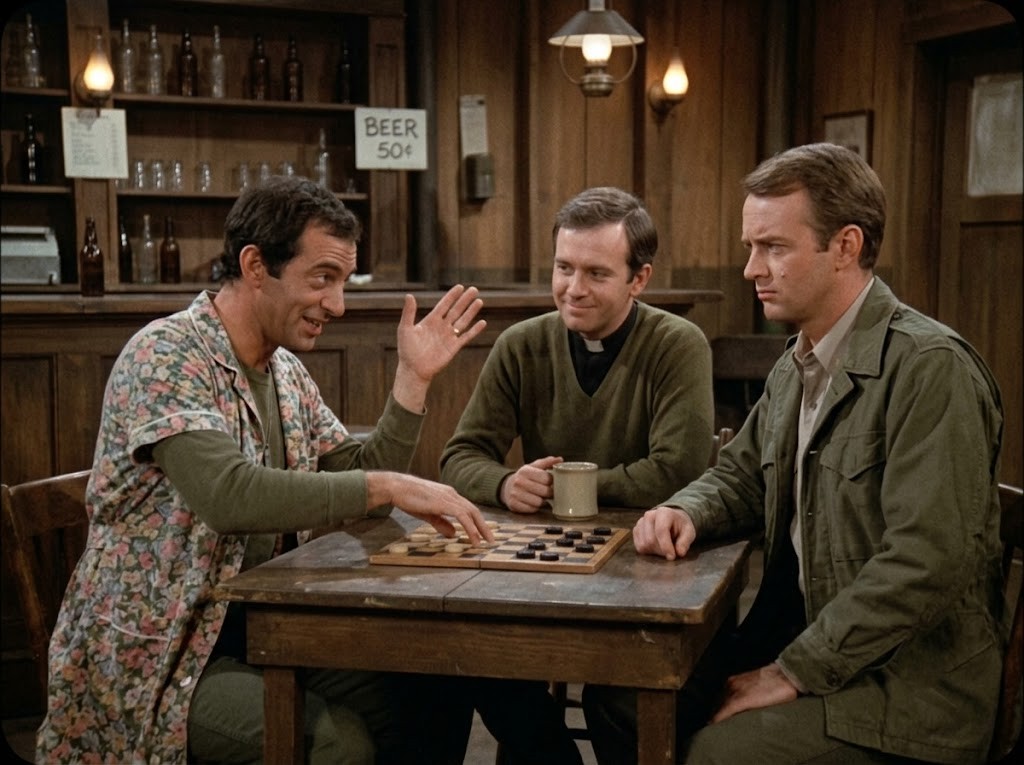
The beer was fifty cents, but the cost of the evening was usually paid in sanity.
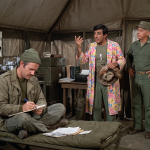
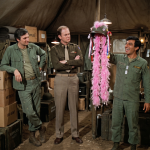
It was one of those nights at the mess tent where the air felt thick, heavy with the phantom scent of antiseptic and the lingering exhaustion of a dozen surgeries. Max Klinger had decided that a floral bathrobe was just the thing to combat the gloom of a rainy Tuesday, and he was currently holding court across a scarred wooden table.
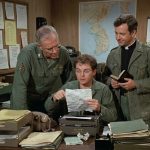
Opposite him sat Father Mulcahy, his brow furrowed in deep, spiritual concentration over a checkerboard that had seen better days. To their side, Hawkeye sat back, his arms crossed, watching the game with the kind of intense, silent scrutiny usually reserved for a ticking bomb.
“You realize, Father,” Klinger said, his hand hovering over a wooden disc, “that this move isn’t just a tactical error. It’s a fundamental betrayal of our friendship. If you push that piece forward, you’re essentially saying you don’t care about my mental health.”
Mulcahy offered a small, patient smile, the kind that had weathered a thousand confessions. “Max, it’s a game. And if I recall, you were the one who insisted on a wager involving the next shipment of real coffee.”
“Exactly,” Klinger countered, his eyes lighting up with theatrical flair. “My soul is at stake, and you’re acting like a cold-hearted grandmaster.”
Hawkeye leaned in, his face devoid of his usual rapid-fire sarcasm. “He’s got you there, Father. Klinger’s been dreaming of that coffee for three days. If you take that jump, he might just declare a holy war right here in the mess.”
The tension at the table wasn’t about the checkers; it was about the desperate, frantic need to believe that this world was still a place where men could argue over trivialities. Klinger reached out, his fingers trembling slightly as he made a bold, desperate play.
Mulcahy looked at the board, then up at his companions. The humor in the room seemed to flicker and die, replaced by a sudden, sharp ache of recognition.
“I can’t make that move,” Mulcahy whispered, his voice catching. “Because if I do, I’m just playing a game. And I think… I think I need to just sit here with you both for a moment, without a winner or a loser.”
Klinger’s hand stayed frozen on the checker. He looked at the priest, really looked at him, and saw the same shadow of fatigue that he usually tried to bury under layers of silk and bravado.
Hawkeye let out a long, slow breath, his shoulders dropping two inches. “Well,” he said softly, breaking the silence that threatened to swallow them whole. “That’s probably the most honest thing anyone has said in this tent since the war began.”
Klinger slowly pulled his hand back, retreating from the board. The theatricality evaporated, leaving behind a young man who looked very tired in his floral robe. “Yeah,” Klinger murmured. “I guess I don’t really want the coffee that bad. I just… I didn’t want to think about anything else for a minute.”
Mulcahy reached across the table and placed his hand gently over Klinger’s. It was a simple, grounding gesture, a reminder that they were still human beings, not just cogs in a broken machine.
Hawkeye reached out and nudged the checkerboard to the side, clearing a space for his own elbows. For a long time, nobody spoke. They sat in the dim, golden light of the mess tent, the sounds of the camp—a distant jeep engine, the low hum of the generator—fading into the background.
It wasn’t a profound conversation. They didn’t talk about the wounded, or the letters from home, or the terrifying uncertainty of tomorrow. They talked about the quality of the powdered eggs, and a joke Klinger had heard from a corporal in supply, and the way the Korean stars looked when the clouds finally parted.
It was a small, fragile architecture of peace. They were three men, worlds away from everything they knew, held together by nothing more than the thin, frayed threads of shared exhaustion and a stubborn refusal to be broken.
As the hour grew late, the feeling of the room shifted from heavy to something almost light, almost sweet. There was a comfort in knowing that when you were too tired to hold up your own end of the world, someone else was sitting right across from you, doing the same.
They eventually stood up, one by one, leaving the game unfinished on the table. It didn’t matter who was winning, because for one night, they had all managed to keep the darkness at bay.
Walking out into the cool night air, the silence didn’t feel like an absence, but like a promise. They were far from home, but they were not alone.
Sometimes, the greatest victory is just being there for each other when the game is over.