The Music Between the Crates
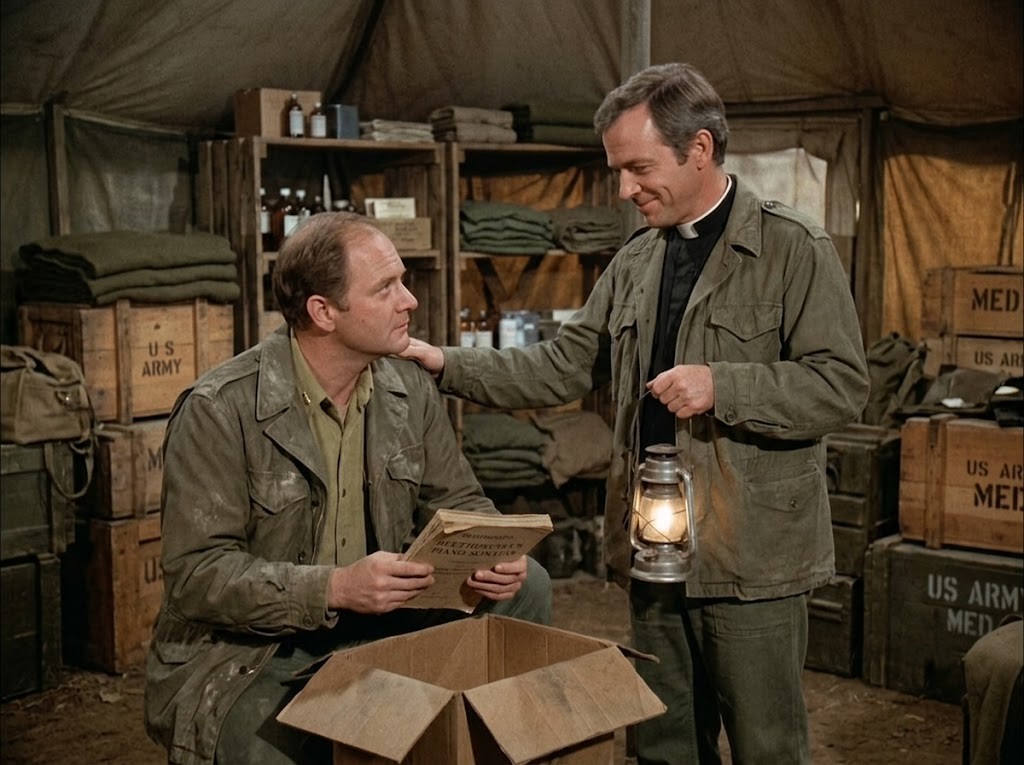
Some nights, the mud of Korea seems to seep right into your bones, and no amount of hot coffee can wash it away. After a grueling thirty-six-hour shift in the Operating Room, the mind does strange things just to find a moment of peace. For Major Charles Emerson Winchester III, that peace was always found in the strict, beautiful order of classical music.
But tonight, the music was missing.
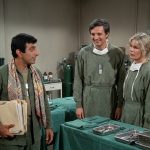
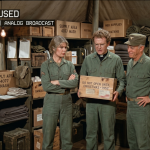
Charles sat hunched on a low stool in the dim, drafty supply tent, surrounded by rough wooden U.S. Army medical crates and stacked green blankets. His usually immaculate uniform was smudged with dust and dried surgical prep, and his face bore the deep lines of profound exhaustion. In his large hands, he held a tattered, water-stained book of Beethoven’s Piano Sonatas, rescued from the bottom of an cardboard shipping box. He stared down at the faded notes as if he could force the paper to sing, his eyes clouded with a mixture of intense longing and quiet despair.
The tent flap rustled open, letting in a draft of chilly night air. Father Mulcahy stepped inside, a glowing hurricane lantern in one hand casting a warm, flickering light across the canvas walls. He took one look at the aristocrat from Boston, so small and defeated among the sterile olive-drab surroundings, and felt a familiar ache of sympathy.
“Charles?” the priest said softly, stepping closer and placing a gentle, reassuring hand on Winchester’s slumped shoulder. “The Swamp is empty, and Colonel Potter said you hadn’t eaten. Is everything all right, my son?”
Charles didn’t look up immediately. He traced the edge of the worn music book, his voice dropping to a vulnerable whisper that bypassed his usual haughty defenses. “I can read the notes, Father. I can see the genius on the page. But my hands… my hands are so tired from holding clamps and suturing flesh that I fear they’ve forgotten how to find the keys.”
He finally looked up, his eyes meeting Mulcahy’s with a raw, heartbreaking sincerity. “What if the music doesn’t live inside me anymore, Father? What if this place has finally taken it away?”
—
Father Mulcahy offered a warm, understanding smile, the lantern light reflecting the deep kindness in his eyes. He squeezed Charles’s shoulder, letting the silent comfort of his presence do the heavy lifting before he spoke. “The music isn’t gone, Charles. It’s just waiting for the noise of this place to quiet down.”
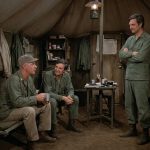
Just then, a pair of figures poked their heads through the tent flap. Hawkeye Pierce and B.J. Hunnicutt stood there, looking equally exhausted but carrying their usual air of gentle mockery. Hawkeye was nursing a chipped mug of something presumably distilled in the Swamp, while B.J. had a stethoscope slung loosely around his neck.
“We thought we heard the sounds of Boston high society crumbling over here,” Hawkeye said, his voice softer than usual, lacking its sharpest edge. “Though I have to admit, Charles, looking at a book of music is a new level of desperation, even for you. Usually, you at least have the record player to annoy us with.”
“Leave him be, Hawk,” B.J. said with a grounded, steady smile, walking over to lean against a stack of supply crates. “He’s just doing his post-op rounds on Ludwig van.”
Charles sighed, a bit of his defensive dignity returning as he closed the book. “Your pedestrian ears wouldn’t understand, Hunnicutt. It requires a soul to appreciate the delicate tapestry of a sonata. Something sorely lacking in the state of California.”
“Oh, I don’t know,” Radar O’Reilly piped up, suddenly appearing from behind a mountain of blankets with a clipboard under his arm. He looked earnestly at the book in Charles’s lap. “My Uncle Ed used to play the accordion at the Iowa State Fair. He said music was like a good stew—it just takes time to simmer before it tastes right.”
From the shadows near the entrance, Colonel Potter stepped forward, his thumbs tucked into his belt, a wise, fatherly look on his face. Margaret Houlihan was right beside him, her posture professional as always, but her expression relaxed and surprisingly tender. Klinger stood just outside the flap, holding a flashlight and listening quietly, his usual theatrical antics replaced by a respectful silence.
“The Corporal has a point, Major,” Potter said, nodding toward the tattered book. “We’ve all lost a bit of our rhythm lately. Heaven knows my painting looks more like mud-wrestling than art after a long shift. But it comes back. It always comes back.”
Margaret stepped closer, looking at the faded cover of the Beethoven score. “It’s beautiful, Charles. Even the book itself has survived a lot to get here. Just like the rest of us.”
Charles looked around the circle of faces. There was no mockery in their eyes now—only the quiet, fierce solidarity of people who lived in the pocket of hell together. He looked down at his hands, then back at Father Mulcahy, who was still holding the lantern, casting a golden glow over the tattered pages.
Slowly, Charles opened the book again. He didn’t have his piano, and he didn’t have his record player. But looking at the notes under the warm lantern light, surrounded by his makeshift family, the silence in the supply tent didn’t feel quite so empty anymore.
“Perhaps,” Charles murmured, his voice thick with uncharacteristic gratitude, “the tempo is merely… *adagio* for now.”
Hawkeye raised his mug in a silent toast. “To a slow tempo, Charles. Just as long as we keep playing.”
In the heart of the 4077th, the grandest symphonies were often played without a single instrument, heard only in the quiet kindness shared between tired souls.