The Quiet After the Storm
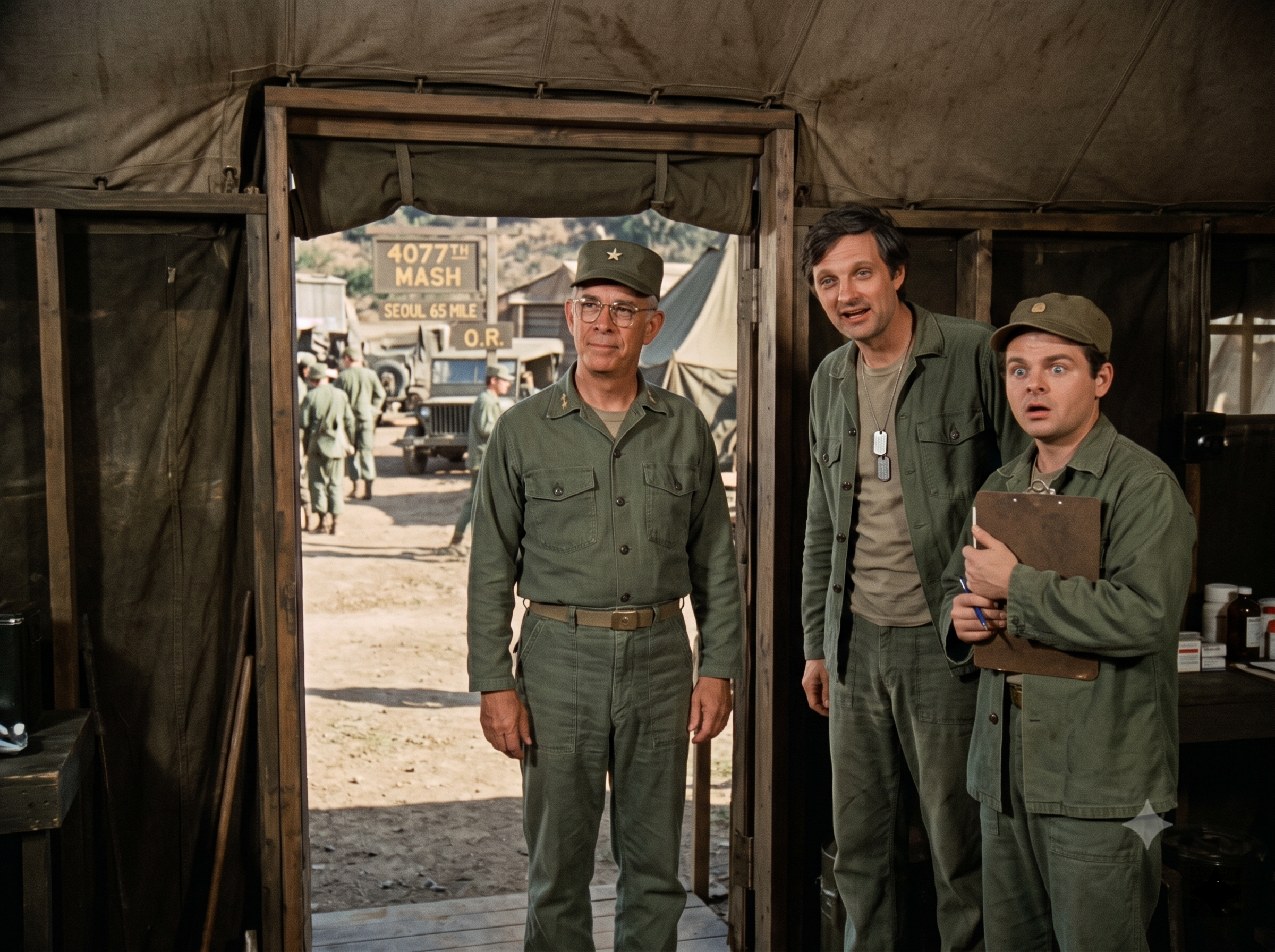
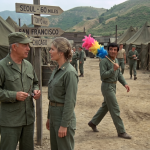
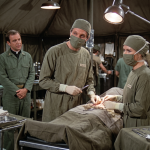
The sun hung low over the 4077th, casting long, tired shadows across the compound that seemed to stretch all the way back to the states. It had been a long, brutal day in the OR, one of those shifts where the steady hum of generators and the rhythmic clatter of surgical instruments felt like they had permanently etched themselves into our very bones.
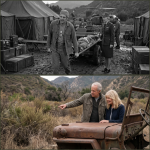
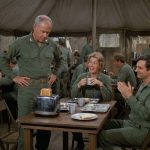
Colonel Potter stood in the doorway of the mess tent, his cap pulled low, surveying the camp with that familiar, weathered gaze that had seen more than any one man should ever have to. Beside him, Hawkeye looked uncharacteristically still, his hands hanging limp at his sides, the usual spark of defiant wit momentarily banked by exhaustion.
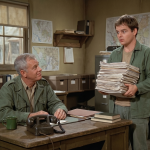
Radar stood just a step behind them, his face a portrait of utter bewilderment. He clutched his clipboard against his chest like a shield, his eyes wide and blinking rapidly, as if he were trying to process some impossible piece of news that had just tumbled out of his ears.
“Are you absolutely certain, Radar?” Potter asked, his voice low and raspy, lacking its usual commanding edge.
“I… I checked the manifest three times, sir,” Radar stammered, his voice cracking just a fraction. “And then I checked it with the supply sergeant. And then I went back and checked it again. It’s definitely on the list, sir. But it doesn’t make any sense.”
Hawkeye finally spoke, though his voice sounded thin, almost distant. “Radar, you’re telling me that after three days of waiting for vital medical supplies—the bandages, the morphine, the actual things keeping us in business—the transport pilot decided that the priority cargo was… what exactly?”
Radar gulped, shifting his weight. “A crate of antique clocks, sir. And a note. A note saying they were for ‘the moral improvement of the camp.'”
The silence that followed was heavy, punctuated only by the distant, mocking sound of a chopper fading into the twilight. Potter took a slow breath, his jaw tightening, and Hawkeye began to laugh—a sharp, ragged sound that started in his chest and climbed toward something dangerously hysterical.
Potter didn’t scold him. He didn’t offer a lecture on military discipline or the gravity of their situation. Instead, he just looked at the mess tent floor, a slow, tired grin creasing the corners of his eyes.
“Antique clocks,” the Colonel muttered, shaking his head. “Well, isn’t that just dandy. If we can’t save them in time, at least we’ll know exactly what second it happened, right down to the tick.”
The absurdity of it finally broke the dam. Hawkeye leaned against the doorframe, letting out a long, shuddering sigh, the tension in his shoulders beginning to melt away. The sheer, relentless insanity of the war had found a new way to manifest—not through violence, but through a logistical nightmare that was so stupid, it was almost poetic.
“I suppose,” Hawkeye said, wiping his eyes, “we could hold a seance. See if any of the founding fathers of the 4077th left behind a spare bottle of gin in the 18th century.”
Radar looked between the two of them, still clutching his clipboard, his expression softening from pure panic into a hesitant, lopsided smile. “I could ask the cook to see if we can open the crate, sir. Maybe there’s something inside we can actually use. Or at least something we can trade for actual bandages.”
Potter stepped out onto the wooden porch, clapping a heavy, fatherly hand on Radar’s shoulder. The movement was simple, but it bridged the gap between the weary soldier and the boy who had just been trying to do his job.
“Good idea, son,” Potter said gently. “Let’s see what this ‘moral improvement’ looks like. Maybe it’s not just clocks. Maybe it’s a sign.”
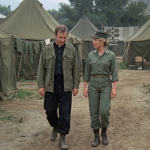
As the three of them walked toward the supply area, the evening air grew cooler. The weight of the day hadn’t vanished—the patients were still there, the war was still happening just over the next ridge—but the sharp, jagged edges of their frustration had been blunted by the ridiculousness of it all.
They were a strange, broken, wonderful family, held together by nothing more than shared trauma and the constant, stubborn choice to keep laughing when the world gave them every reason to cry. The 4077th wasn’t just a place; it was a promise they made to each other every single morning: that as long as they were standing together, they were never truly alone in the dark.
In the end, it wasn’t the war that defined us, but how we managed to keep the clocks ticking together.