The Coffee Communion of the 4077th
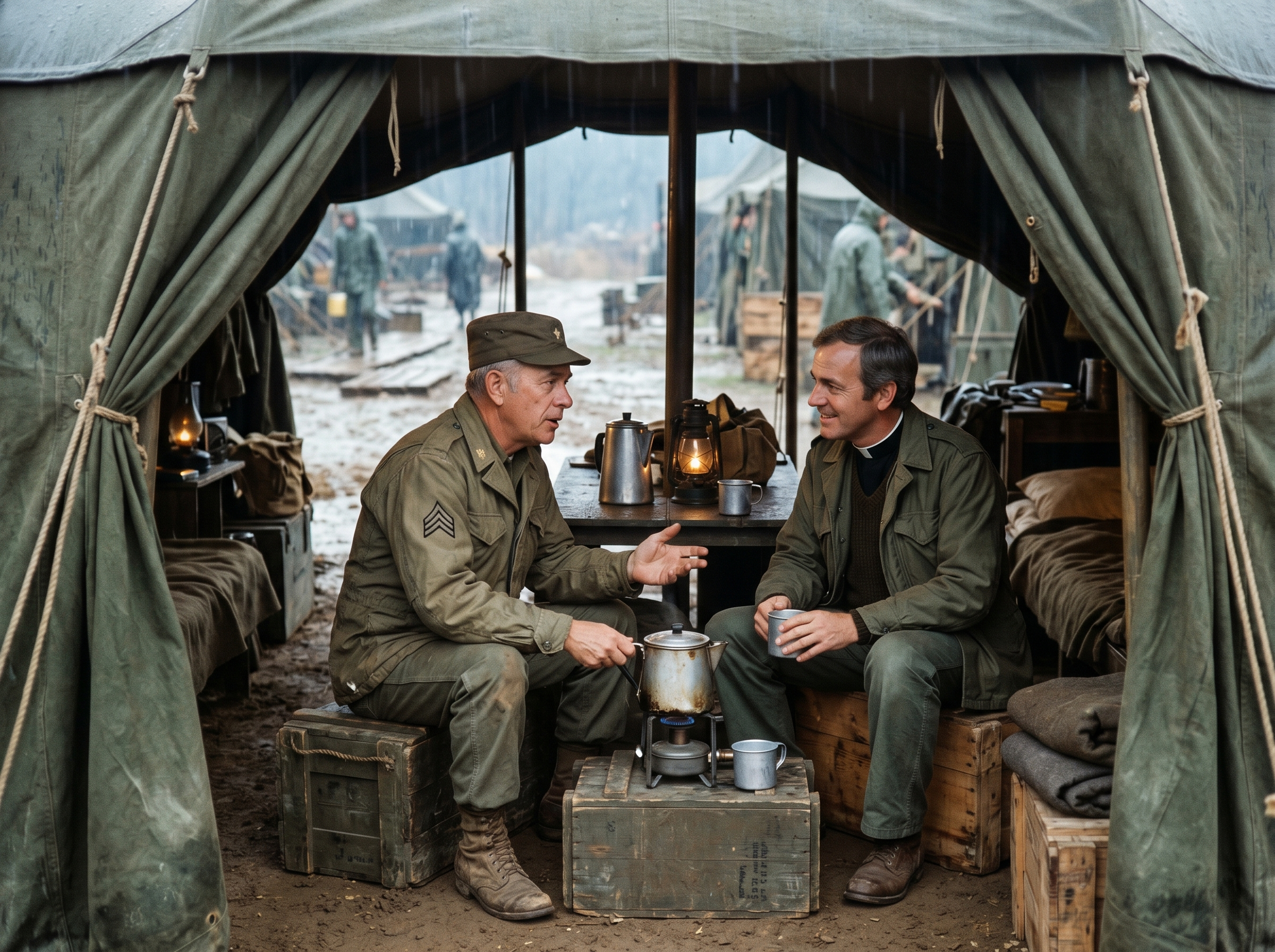
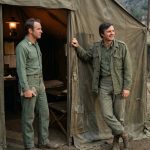
The rain in Korea didn’t just fall; it settled into your bones, turning the world into a grey, mud-caked landscape that promised to last forever. Inside the tent, the air was heavy with the smell of damp canvas, burnt diesel, and the singular, comforting aroma of percolating coffee.
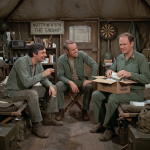
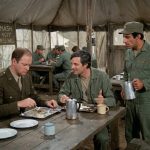
Master Sergeant Miller sat hunched on a wooden crate, his uniform stained with the day’s work, his expression etched with the kind of fatigue that sleep couldn’t fix. Across from him, Father Mulcahy leaned in, a tin mug cradled in his hands like a holy relic, his eyes soft with the practiced patience of a man who had seen too much.
They weren’t talking about the war. They weren’t talking about the wounded, or the orders, or the impending rotation dates that seemed to shift like sand. They were locked in a quiet debate about the precise, medicinal properties of the camp’s latest shipment of coffee grounds.
“It’s not just a beverage, Father,” the Sergeant said, gesturing with a weary hand, his voice raspy but earnest. “It’s a morale stabilizer. If you can’t trust your morning cup to actually wake you up, how are you supposed to trust the rest of the world?”
The Father chuckled softly, a sound that seemed to push back the dampness of the tent. “Perhaps, my friend, the bitterness is simply the price of admission for staying awake in a place that tries so hard to make us sleep.”
The Sergeant didn’t smile back, but his shoulders dropped a fraction of an inch, his guard slipping just enough for the exhaustion to show. He reached for the pot, his fingers trembling slightly—not from fear, but from the bone-deep weariness of forty-eight hours on the line.
“I’m tired, Father,” he whispered, the humor leaving his voice as quickly as it had arrived. “I’m just… I’m so tired of trying to find the point in all this.”
The tent grew suddenly, suffocatingly still. The rain tapped a frantic rhythm against the canvas, and for a moment, the world outside felt like it was pressing in to crush them both.
Father Mulcahy set his mug down on the rough-hewn table, the metal clinking softly against the wood. He didn’t offer a platitude. He didn’t recite scripture or tell the Sergeant to hold his head high. Instead, he simply reached across the small space and placed a hand on the Sergeant’s arm, his touch firm and grounding.
“You don’t have to find the point today,” the Father said, his voice quiet, stripped of any pretense. “You just have to find the next few minutes. Right now, that’s just keeping this coffee hot.”
The Sergeant looked at the Father’s hand, then up at his face. The cynical mask he’d been wearing all morning flickered and cracked, revealing a man who was simply trying to survive the day with his soul intact. He let out a long, shuddering breath, the tension leaving his frame as he slumped back against the support pole of the tent.
He reached for his own tin mug, his movements now steady and deliberate. He poured, the dark liquid swirling with a promise of heat, and pushed the pot toward the center of the makeshift table.
“You know,” the Sergeant started, his voice a little stronger, a little more human, “I once told a chaplain back in basic training that if I ever found myself drinking coffee in the rain in a place I couldn’t find on a map, I’d quit. Look at me now.”
The Father smiled, a genuine, crinkling smile that reached his eyes. “And yet, you’re still here. And the coffee is, miraculously, still hot.”
They sat in silence for a while, the kind of silence that only exists between people who know they have nothing left to prove to one another. Outside, the mud was still deep and the war was still raging, but inside the tent, the world was reduced to two men, a dented coffee pot, and the quiet, stubborn act of sharing a drink.
It wasn’t a grand victory. It wouldn’t make the headlines in the *Stars and Stripes*, and it wouldn’t change the trajectory of the conflict. But in the fragile, flickering light of the lantern, it was enough. It was the quiet, invisible thread that held the 4077th together—the knowledge that no matter how hard the rain fell, you didn’t have to sit in the mud alone.
As the Sergeant took a sip and finally let out a small, tired laugh, the shadows in the tent seemed to retreat, pushed back by the warmth of a friendship forged in the most unlikely of trenches. They were just two people doing their best to be kind in a place that had forgotten how to be, and for that moment, it was the only miracle that mattered.
In the heart of the storm, the smallest acts of grace are what keep us whole.