The Silent Language of the 4077th
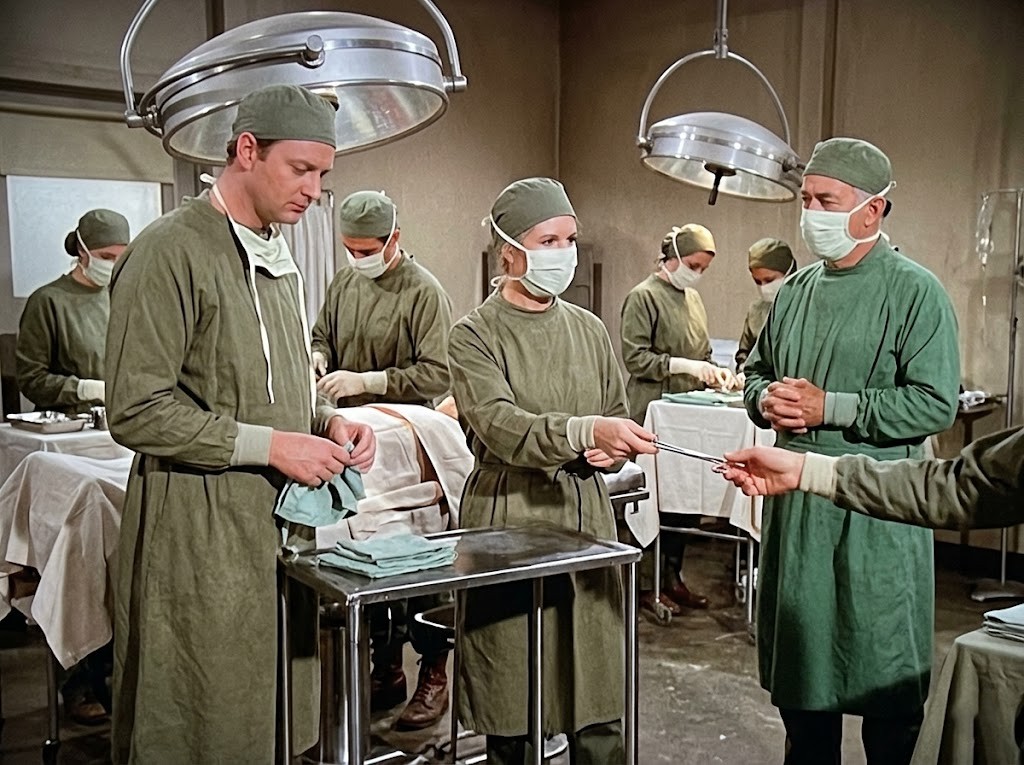
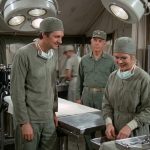
The overhead surgical lamps hummed with that familiar, soul-crushing buzz that seemed to vibrate right through your teeth. In the belly of the OR, time didn’t move in minutes; it moved in heartbeats, wet gauze, and the rhythmic drip of plasma.
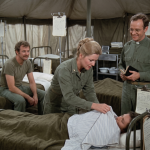
Hawkeye stood at the table, his shoulders slumped just enough to betray the sixteen hours he’d spent on his feet. Beside him, Margaret Houlihan held a pair of hemostats with the precision of a jeweler, her mask hiding the familiar, steely tension of her jaw. Across from them, Colonel Potter stood like a weary anchor, his eyes tracking the patient’s vitals with a gaze that had seen far too many winters in Korea.
The air was thick, heavy with the scent of antiseptic and the collective exhaustion of people who were running on coffee and sheer, stubborn defiance. Nobody was talking. In the 4077th, silence in the OR was usually a sign of two things: either everything was going perfectly, or we were all just too tired to invent a new joke.
Then, the moment happened—the kind of small, human glitch that could either break the tension or shatter the room.
Margaret extended her hand to pass a clamp to the surgeon opposite her. But as the metal instrument changed hands, she stumbled. Just a fraction. A momentary lapse in focus that sent the heavy, steel clamp clattering against the tray, the metallic *clack* sounding like a gunshot in the quiet room.
She froze. The surgeon opposite her—a man who had been cracking dry, biting remarks only an hour before—reached out to steady her wrist. But he didn’t pull back. Instead, he gripped her hand firmly, locking eyes with her over the top of his mask. For a split second, the professional veneer of the Head Nurse and the weary cynicism of the doctor dropped away entirely.
Margaret’s eyes welled up behind her goggles, the sheer, crushing weight of the week finally threatening to breach her defenses. The whole room seemed to hold its breath. Would she break, or would she snap back to the mission?
The silence stretched, sharp and fragile, until Colonel Potter let out a soft, harrumphing cough that rattled in his chest.
“Steady as she goes, Margaret,” he murmured, his voice as calm as a summer breeze in Hannibal. “We’ve got a long road ahead, but we aren’t walking it alone.”
He didn’t make it a lecture. He didn’t make it a command. It was just a reminder, a tether to the ground.
Margaret blinked, the moisture in her eyes receding as she took a deep, shaky breath. She tightened her grip on the instrument, gave a sharp, professional nod, and returned to the task at hand. The connection held. She wasn’t just a nurse anymore, and he wasn’t just a surgeon; in the surreal, suspended reality of the tent, they were just two people keeping a flame lit in a very dark place.
Off to the side, Radar stood by the supply table, his hands hovering over a stack of sponges. He looked like a deer caught in headlights, his face pale, his eyes wide and worried. He wasn’t involved in the surgery, but he felt every jolt of tension in the room as if it were a physical weight on his own shoulders. He caught the look in Hawkeye’s eyes—a fleeting, tired smile that said, *We’re still here, kid.* The mood in the room shifted. It didn’t become light—not in the 4077th—but it became bearable.
Winchester, who had been hovering near the back, cleared his throat, his posture rigid. “Perhaps,” he drawled, his voice tinged with that signature, affected arrogance that actually hid a profound lack of appetite for this carnage, “if we could dispense with the percussion section, we might actually finish this before the next century.”
A small, genuine smile broke out beneath B.J.’s mask. It was the humor of the trenches—dry, gallows-black, and essential. It was the glue that kept them from drifting apart into the cold, gray ether of the war.
As the work continued, the rhythm returned. The instruments clicked, the suction hummed, and the team moved in a dance they had performed a thousand times. They were a family forged not by blood, but by the shared, unspoken trauma of trying to do good in a place designed for destruction.
They were tired, they were frayed at the edges, and they were a thousand miles from home. But as the light caught the steel in their hands and the steam rose from the sterilization pans, there was a quiet, stubborn beauty to it all.
They weren’t just saving lives; they were saving each other, one stitch at a time. When the job was finally done and the last patient was wheeled out, they wouldn’t talk about the war. They would go to the mess tent, pour a stiff drink, and pretend that tomorrow would be just another day, because that was the only way to make it through the night.
In the end, all we really have is the person standing across the table.