The Inventory of Quiet Moments
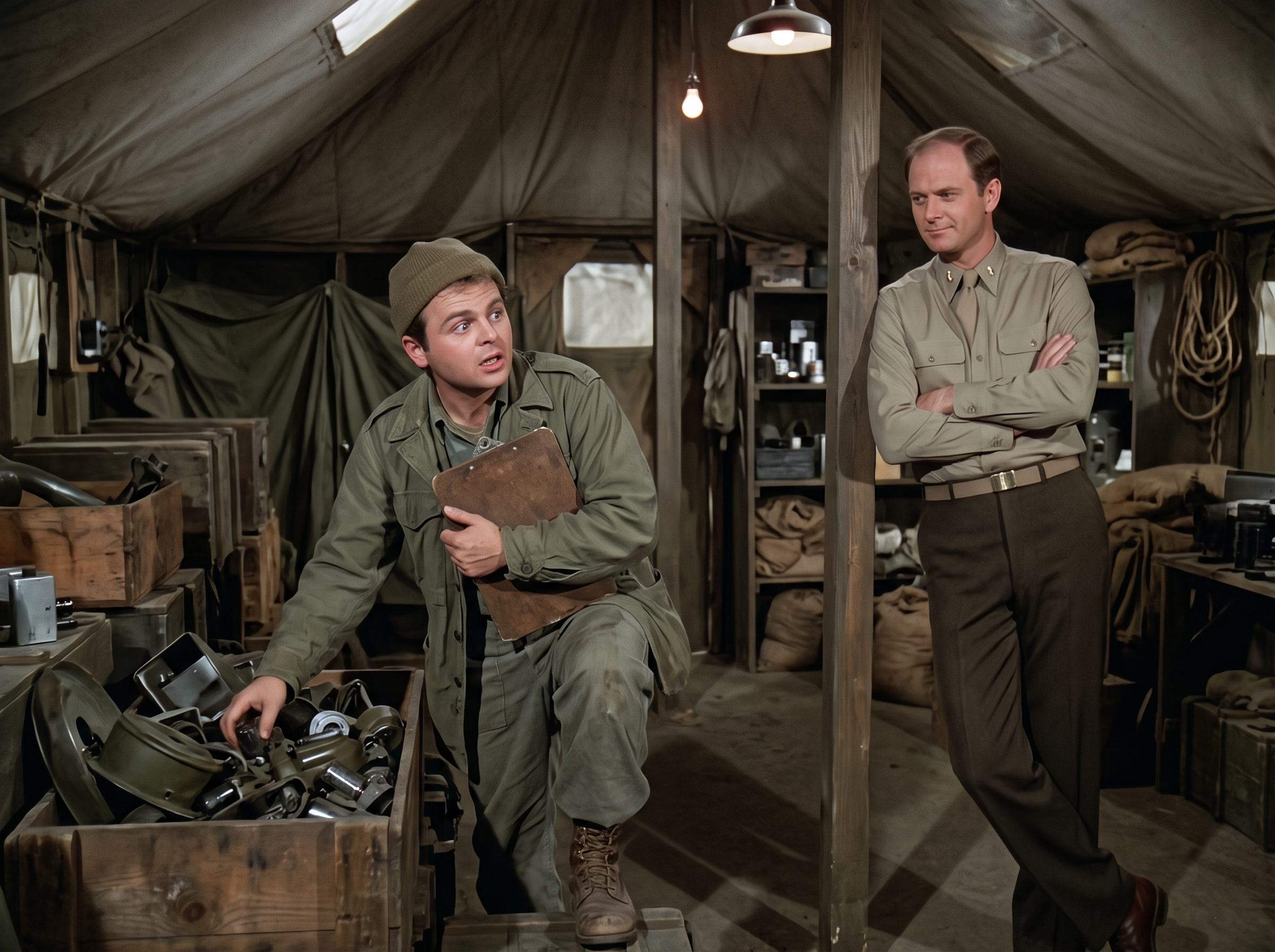
The supply tent at the 4077th never smelled like glory. It smelled of canvas, damp earth, stale coffee, and the overwhelming, dusty exhaustion of a war that refused to end.
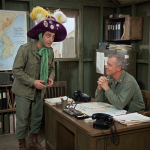
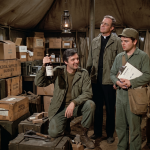
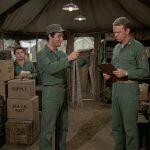
Radar O’Reilly was hunched over a crate of scattered medical odds and ends, his brow furrowed in that familiar, frantic concentration. He was clutching a clipboard as if it were a shield, his knuckles white.
Across from him, Major Charles Emerson Winchester III leaned against a support post, his arms folded tightly across his chest. He looked like a man trying to maintain his dignity while surrounded by the utter collapse of civilization.
“Radar,” Winchester said, his voice dripping with that signature, razor-edged Boston disdain. “If you tell me one more time that the requisition for premium surgical sponges has been ‘mishandled by headquarters,’ I fear I shall have to do something quite ungentlemanly to that clipboard.”
Radar didn’t look up. He just nudged a metal canister deeper into the wooden crate with his boot, his face a mask of nervous urgency.
“It’s not me, Major, I swear,” Radar stammered, his voice climbing that familiar, fragile octave. “The supply line is backed up from Seoul, and there’s a rumor they’ve diverted our trucks to the Third Division for some kind of—well, something or other. I’m just trying to make sure we have enough to get through the night shift.”
Winchester sighed, a long, weary sound that seemed to pull the very air out of the tent. He unfolded his arms, his posture shifting from annoyed detachment to something slightly more slumped, slightly more human.
“We are surgeons, O’Reilly. We are meant to be mending broken people, not playing hide-and-seek with gauze,” he muttered, though the bite was gone from his tone.
He took a step forward, his boot scuffing the dirt, and looked down at the chaotic mess in the crate. His eyes softened, just for a fraction of a second, revealing the tired, haunted man hidden beneath the velvet-trimmed ego.
“Major,” Radar said, suddenly stopping his frantic rummaging. He looked up, his eyes wide and earnest, reflecting the dim bulb swaying above them. “I didn’t tell you before, but the shipment that didn’t arrive? It wasn’t just supplies.”
Winchester froze, his gaze locking onto Radar’s. The air in the tent suddenly felt very heavy, as if the canvas walls were closing in on them both.
Winchester didn’t speak. He just waited, his sharp eyes narrowing as he sensed the shift in the atmosphere.
“It was the shipment with the personal mail,” Radar whispered, finally saying it out loud. “The one with the new reel of film for the projector, and—and I think your package from home, Major.”
The silence that followed was absolute. In the distance, the faint, dull rumble of the front line provided a rhythmic, grim reminder of where they were, but inside the tent, the war felt a million miles away.
Winchester let out a breath he seemed to have been holding since the day he arrived in Korea. He didn’t explode. He didn’t issue a scathing critique of the army’s logistical incompetence. Instead, he simply looked at the tent floor, his shoulders dropping a few inches.
“Of course,” he said, his voice barely audible. “Why should this particular day offer even a modicum of solace?”
Radar stood up, his knee cracking, and carefully laid the clipboard on the edge of the crate. He looked at Winchester, seeing past the tailored uniform and the haughty demeanor. He saw the homesickness—a raw, aching thing that they all carried in their pockets like a bad-luck charm.
“I’m sorry, sir,” Radar said softly. “I know how much you were looking forward to those records.”
Winchester looked up, and for the first time, he didn’t look like a Major. He looked like a man who was very, very tired of being brave.
“It is not about the records, O’Reilly,” Winchester murmured, leaning back against the post again, though his posture lacked its usual rigidity. “It is simply the persistent, grinding realization that the world we left behind is receding further into the fog every day.”
Radar nodded, understanding more than he ever let on. He reached into his jacket pocket and pulled out a small, slightly squashed chocolate bar he’d been saving for an emergency. He held it out.
“It’s not a record,” Radar offered, a shy, tentative smile touching his lips. “But it’s from the PX. It’s not quite the fine French chocolate you like, but it’s… it’s chocolate.”
Winchester looked at the crumpled wrapper, then back at the boyish, honest face of the man who seemed to keep the entire 4077th from falling apart. The corners of the surgeon’s mouth twitched, and he accepted the offering with a slow, deliberate movement.
“It will suffice,” Winchester said, his voice regaining a fraction of its usual composure, though the warmth remained in his eyes.
They stood there for a moment in the dim light of the tent—the clerk and the surgeon, two worlds apart in background and temperament, yet perfectly aligned in their shared exhaustion. They didn’t need to fix the supply chain, and they didn’t need to end the war. For now, simply existing in the same space, acknowledging the weight of the day, was enough.
Radar picked up his clipboard again, his confidence returning as he prepared to face the next crisis. Winchester tore open the chocolate wrapper with a surgeon’s precision, taking a small, thoughtful bite.
“O’Reilly?” Winchester said as he turned toward the tent flap.
“Yes, sir?”
“Keep checking the manifest. If that crate arrives… let me know.”
“You got it, Major.”
As Winchester walked out into the cool evening air, leaving the tent behind, the canvas flaps settled into place. The lightbulb swayed gently in the draft, illuminating the crates and the dust, but for a few minutes, the inventory of their lives didn’t feel quite so depleted.
Sometimes, in the middle of a war, the greatest victory is just knowing you aren’t fighting it alone.