The Canvas Wall That Held Everything
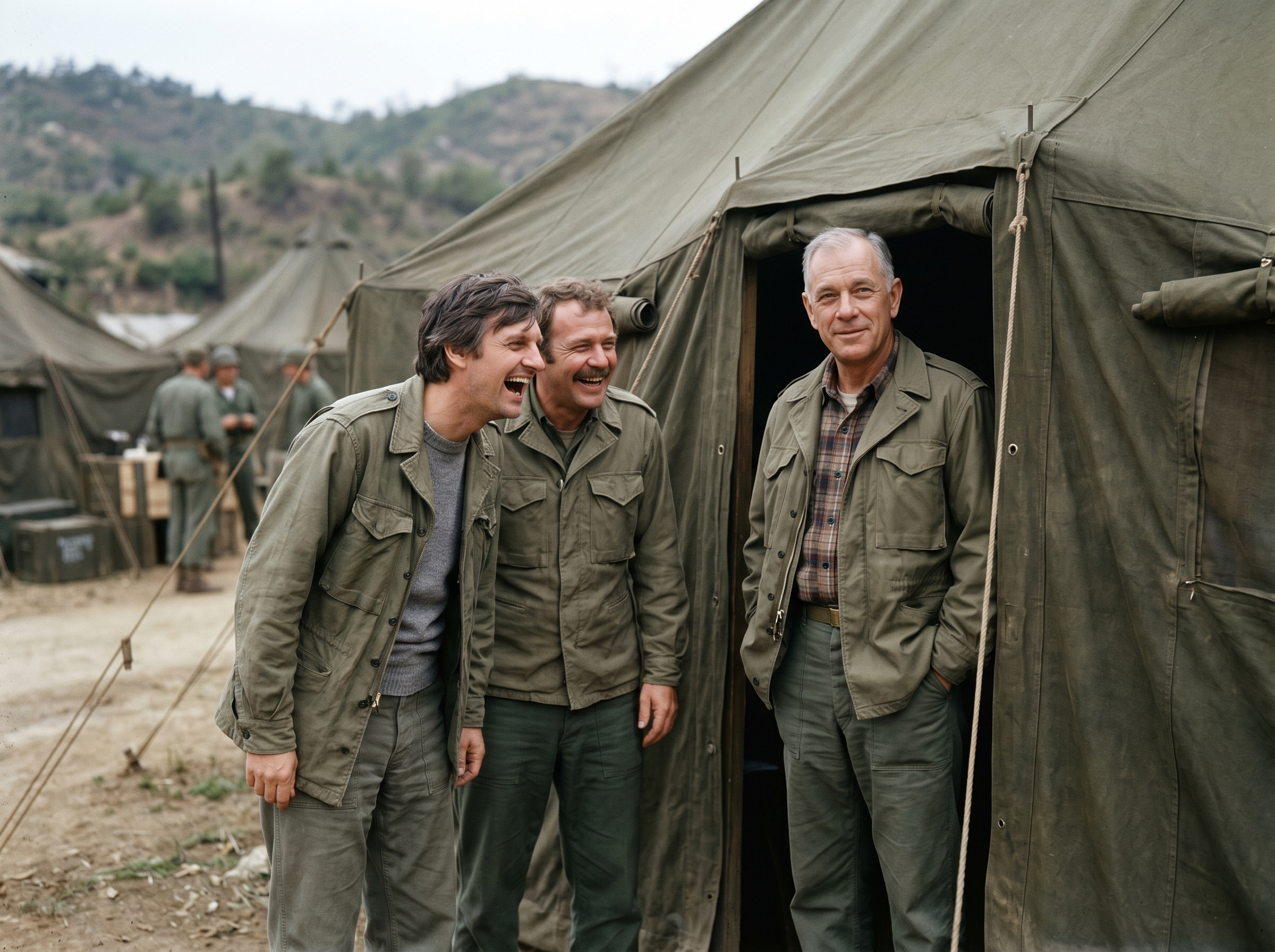
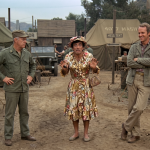
The Korean sun was doing its level best to bake the 4077th into a state of absolute, dusty surrender. It was that specific hour of the afternoon when the incoming wounded had momentarily slowed to a trickle, and the silence—usually so terrifying—felt like a fragile, stolen luxury.
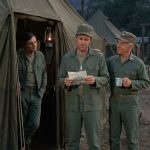
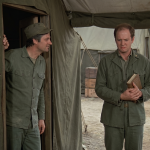
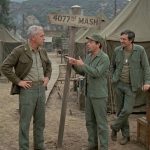
Hawkeye Pierce and B.J. Hunnicutt stood just outside the command tent, their faces creased with that particular shade of exhaustion that only comes after twenty-four hours in the O.R. Hawkeye, his hair a riotous mess, had just finished recounting a particularly absurd story involving a misplaced bottle of gin and a very confused jeep driver.
B.J. was already laughing before the punchline even landed, his hand bracing himself against the side of the tent. Beside them, Colonel Potter emerged from the shadows of his office, squinting against the harsh light. He wasn’t smiling yet, but the corners of his mouth were twitching, held in check by decades of military discipline and a very stubborn mustache.
“You two look like you’ve been through a meat grinder and decided to come out dancing,” Potter grumbled, though his eyes lacked any real heat. He leaned against the frame of the canvas door, crossing his arms over his chest.
“Colonel,” Hawkeye chirped, breathless with laughter, “we aren’t dancing. We’re merely vibrating at a frequency that suggests we’ve completely lost our minds.”
B.J. wiped a tear from his eye, his shoulders shaking with genuine, belly-deep amusement. “It’s the only way to stay sane, Colonel. If we stop laughing, we’re just three tired men in a very dusty tent.”
Potter finally let the grin break through, his weary face softening as he looked at the two surgeons. For a heartbeat, the war wasn’t on the horizon. The sound of a distant truck backfiring sounded like a firecracker, and in that split second, the humor died on their lips. Hawkeye’s smile froze, his gaze darting toward the perimeter, and the air around them suddenly grew heavy with the weight of everything they hadn’t mentioned.
The sudden shift in the atmosphere was like a physical blow. Hawkeye’s laughter vanished, replaced by a quick, sharp intake of breath. He looked at B.J., and the unspoken fear that they shared every single day—the fear that this brief moment of levity was just a mask for the terror they buried deep—hung between them, raw and exposed.
Colonel Potter didn’t look away. He saw it all: the tremors in Hawkeye’s hands, the way B.J.’s smile had retreated into a guarded, hollow line. He stepped forward, breaking the tension not with a command, but with a quiet, grounding presence. He reached out and placed a firm, calloused hand on Hawkeye’s shoulder, a gesture that was part fatherly comfort and part anchor.
“Easy, son,” Potter said softly, his voice cutting through the ringing silence. “It’s just a truck. Not every sound is an end to the world.”
Hawkeye exhaled, his shoulders dropping two inches as the adrenaline receded. He looked at the Colonel, then back to B.J., who had taken a half-step closer. They were a strange little trio: two surgeons who had seen enough to last ten lifetimes, and a man who had seen enough to know exactly how much they were carrying.
“Sorry, Colonel,” Hawkeye said, his voice quiet, his usual quip missing. “Sometimes the clock just ticks a little too loud.”
B.J. nodded, his expression settling into that familiar, steady warmth that made him the backbone of their little world. “We’re alright. Just… long shift.”
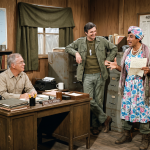
“I know,” Potter replied. He looked at the canvas tent behind him, the home they had built out of scrap wood and shared burdens. “You boys need sleep. Real sleep. Not the kind where you’re jumping at shadows.”
“Sleep is a great idea,” Hawkeye admitted, rubbing his eyes. “But first, I think I need to find a way to finish that story about the jeep driver. I believe he eventually made it to the coast, though he still thinks he’s in Tokyo.”
B.J. laughed, a genuine, soft chuckle that brought the light back into their eyes. “He doesn’t know, Hawkeye? That’s almost cruel.”
“It’s not cruel, Beej, it’s history in the making.”
They stood there for another moment, the three of them, framed by the rough, olive-drab canvas that had witnessed more laughter and more tears than any home they’d ever known. The sun began to dip behind the hills, casting long, golden shadows across the camp. The intensity of the day started to drain away, leaving behind the quiet camaraderie of people who didn’t need to explain themselves to one another.
They didn’t solve the war that afternoon. They didn’t fix the world, and they didn’t get any less tired. But as they turned to head toward the mess tent, the weight on their shoulders seemed just a little bit lighter because they were carrying it together. They walked in step, the humor returning, the tension gone, leaving behind only the enduring, stubborn fact of their friendship.
In a place where everything was temporary, the only thing that lasted was the bond of the people who held each other up.