The Clipboard Consensus
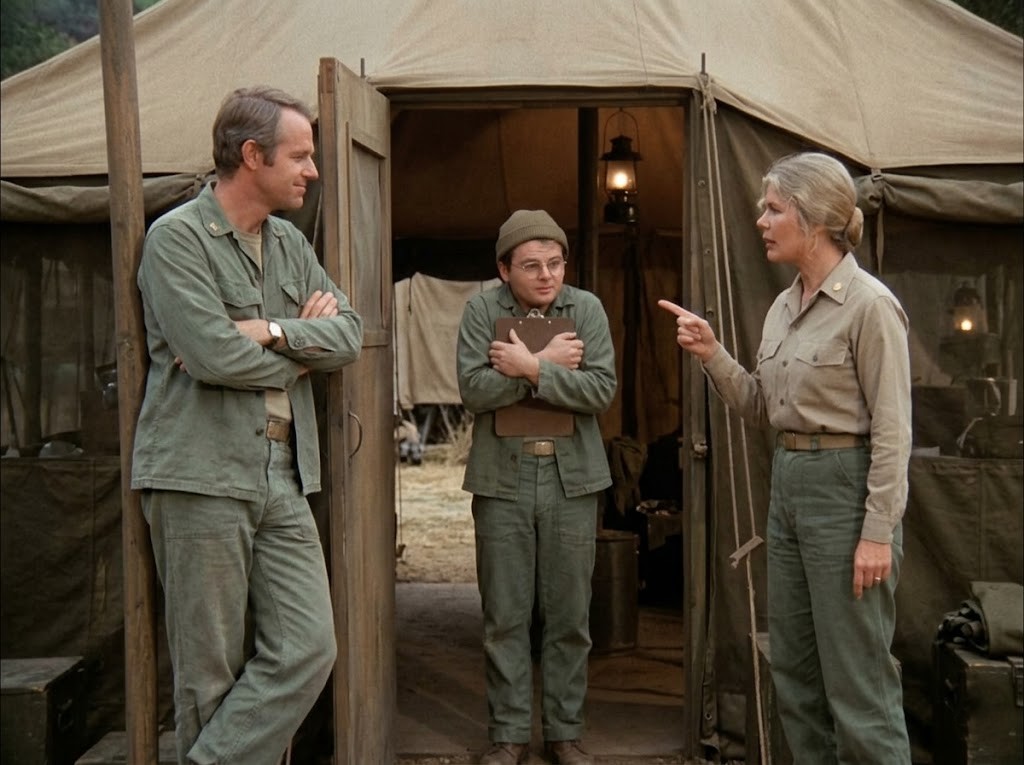
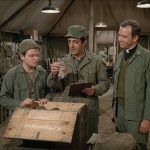
The Korean sun was doing its level best to bake the mud out of the 4077th, but the air inside the tent was still heavy with the lingering scent of damp canvas and industrial soap.
It was one of those afternoons where the war seemed to pause, holding its breath just long enough for the absurdity of the camp to take center stage.
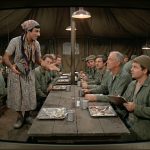
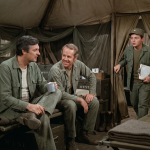
Major Winchester leaned against the wooden doorframe, his posture a masterclass in calculated indifference. He had crossed his arms, shielding himself behind the starched fabric of his fatigues, watching the unfolding scene with the weary amusement of a man who had seen far too many nonsensical reports in his lifetime.
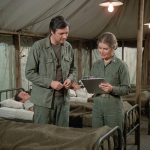
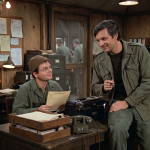
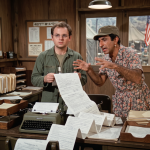
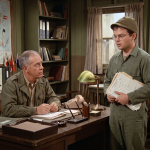
In the center of the opening stood Corporal O’Reilly, clutching his clipboard to his chest like a holy relic or a suit of armor. His green beanie was pulled low, his shoulders hunched up toward his ears, and he wore the expression of a man caught between a frantic desire to please and a desperate need to disappear.
Major Houlihan stood just a few feet away, her finger extended in a sharp, definitive gesture. Her uniform was pressed to within an inch of its life, and there was a glint in her eye that suggested she was tired of being the only person in camp who knew where things were supposed to go.
“Corporal,” she said, her voice crisp enough to cut glass, “the supply requisition for the medical stores has been sitting on your desk for three days. It is not a suggestion, Radar. It is a demand.”
Radar looked at the clipboard, then at Margaret, then back toward the relative safety of the tent’s interior. He opened his mouth, his lips trembling slightly as he tried to find a defense that wouldn’t sound like a confession of incompetence.
“Major, I—I tried to get it signed,” Radar stammered, his eyes darting toward the clipboard as if the paperwork itself might suddenly sprout wings and fly to safety. “But the Colonel was with the Chaplain, and then the supply sergeant went to the motor pool, and—”
“Enough,” Margaret snapped, her finger still pointed like a compass needle aimed at his heart.
Winchester let out a soft, mocking sigh, shifting his weight against the wood. “Honestly, Corporal, your ability to turn simple logistics into a theatrical tragedy never ceases to amaze me. Do let the poor woman have the paper, or she may just decide to file you instead.”
Radar clutched the clipboard tighter, his face flushing a deep, frustrated red as the pressure finally crested into a silent, panicked standoff.
“It’s not just the requisition, Major!” Radar blurted out, his voice cracking just enough to stop the world for a second. “It’s… it’s the inventory count for the orphanage supplies too. I didn’t want to turn it in because it was short, and I knew—I just knew—that if I turned it in, you’d be disappointed.”
The silence that followed was heavy, not with anger, but with the sudden, jarring recognition of why they were all here.
Margaret’s hand slowly lowered. The sharp, military edge that usually defined her posture softened. She looked at the young man, really looked at him, and saw the genuine, aching concern behind his messy organization.
Winchester stopped smirking. He uncrossed his arms, the refined, haughty mask flickering. He looked away for a moment, staring out toward the hills, his jaw tightening in a way that betrayed how much he actually understood about the fragility of their world.
“Radar,” Margaret said, her voice dropping an octave, losing its command and finding its humanity. “Is it really that short?”
Radar nodded, looking down at his boots. “They need those blankets more than the supply sergeant needs his signed form, Major. I was just… I was trying to figure out how to hide the missing items until I could find a way to get more.”
Margaret sighed, a long, weary sound that carried the weight of a thousand surgeries. She stepped forward, not to intimidate, but to bridge the gap. She gently reached out, not to take the clipboard, but to touch the edge of it, helping him lower it from his chest.
“You should have told me, Corporal,” she said quietly. “We don’t need a perfectly balanced ledger to know that the kids need blankets. We just need to know what we’re up against.”
Winchester cleared his throat, the sound unusually loud in the quiet air. He reached into his own pocket and pulled out a fountain pen, then gestured vaguely toward the clipboard.
“If the inventory is short,” Winchester said, his voice stripped of its usual sarcasm, “then it is quite obviously a clerical error. I’m sure a quick adjustment to the supply numbers will satisfy the powers that be. Perhaps we can… find a way to balance the books with a few items from my own private stores.”
Radar looked up, his eyes wide and blinking rapidly behind his glasses. “You’d do that, Major?”
“I’d do anything to avoid listening to you stammer for another ten minutes, O’Reilly,” Winchester replied, though he didn’t quite meet their eyes, a small, genuine smile tugging at the corner of his mouth.
Margaret gave a soft, reluctant laugh, shaking her head. “Alright, then. Let’s get this sorted. And Radar? Next time, just tell us.”
As they moved toward the table inside, the tension that had gripped the space evaporated, replaced by the quiet, unspoken pact of people who took care of their own. The war was still out there, the world was still broken, but in the small, crowded space of the 4077th, they were at least holding the line together.
The sun began to dip behind the hills, casting long, gold shadows across the camp, and for a fleeting moment, everything felt exactly as it was meant to be.
Some wars are fought with guns, but the important ones are won by the people who refuse to stop caring.