Battle in the High Court
- TranThuy
- February 12, 2026
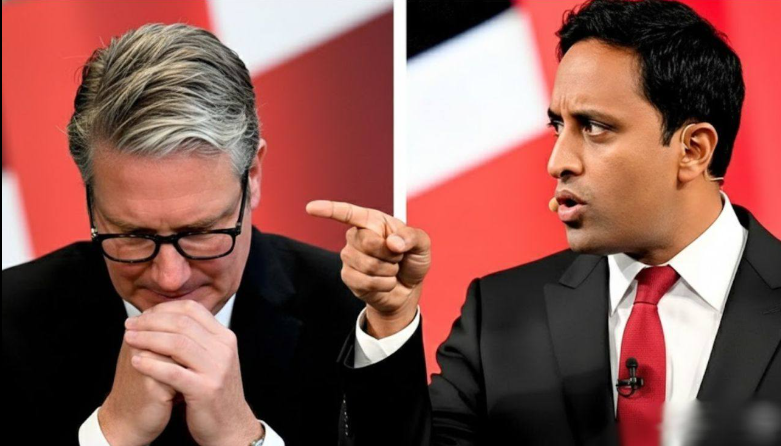
Britain’s political drama has moved from the green benches of the House of Commons to the solemn chambers of the High Court. Reform UK has launched a bold legal challenge against Prime Minister Keir Starmer over the cancellation of local elections in 63 councils — a decision that reportedly left nearly four million voters without the opportunity to cast a ballot. What might once have been considered a procedural adjustment has instead ignited a fierce national debate about democracy, executive power, and public trust.
Labour insists that the cancellations form part of a long-planned programme of local government reorganisation. According to party officials, structural reform requires transitional measures, and postponing elections is presented as a practical necessity rather than a political calculation. Reform UK, however, paints a far more troubling picture. The party argues that the move represents a strategic retreat — an attempt to avoid potential electoral setbacks as Nigel Farage’s movement builds support in key regions. Between these two sharply contrasting narratives lies a country searching for clarity.
As High Court hearings scheduled for February 19–20 approach, the atmosphere has grown increasingly tense. Outside council buildings and in city squares, protesters have begun to gather, holding placards demanding accountability and transparency. Inside Westminster, backbench MPs from multiple parties watch developments with unease, aware that the case could set a powerful precedent. Constitutional scholars have warned that the court’s decision — whichever way it falls — may redefine the boundaries between administrative reform and democratic obligation.

For millions of voters, the issue is not an abstract constitutional puzzle. It strikes at the heart of a simple democratic promise: the right to choose who governs at both national and local levels. Local councils oversee essential services — housing, education, waste management, and community welfare — decisions that shape daily life. When the opportunity to vote is removed or delayed, many citizens feel more than inconvenience; they feel uncertainty about whether their voices still carry weight.
The legal arguments are expected to focus on statutory authority, precedent, and the scope of ministerial discretion. Reform UK’s barristers will likely contend that the cancellations undermine core democratic principles, while the government’s legal team will emphasize procedural legality and long-term administrative benefit. Beyond the technical language of the courtroom, however, lies a deeper question about perception. In politics, legitimacy depends not only on legality but also on public confidence.
As barristers prepare their submissions and judges ready themselves to weigh competing claims, the nation braces for impact. This confrontation is more than a courtroom clash between rival parties; it is a defining test of trust in Britain’s democratic framework. When faith in the electoral process trembles, even slightly, the reverberations extend far beyond legal documents and parliamentary debate. In the days ahead, the High Court will not merely interpret law — it will help shape the public’s belief in the resilience of the system itself.