The Royal Fall: Prince Andrew Arrested in Epstein Ties Scandal
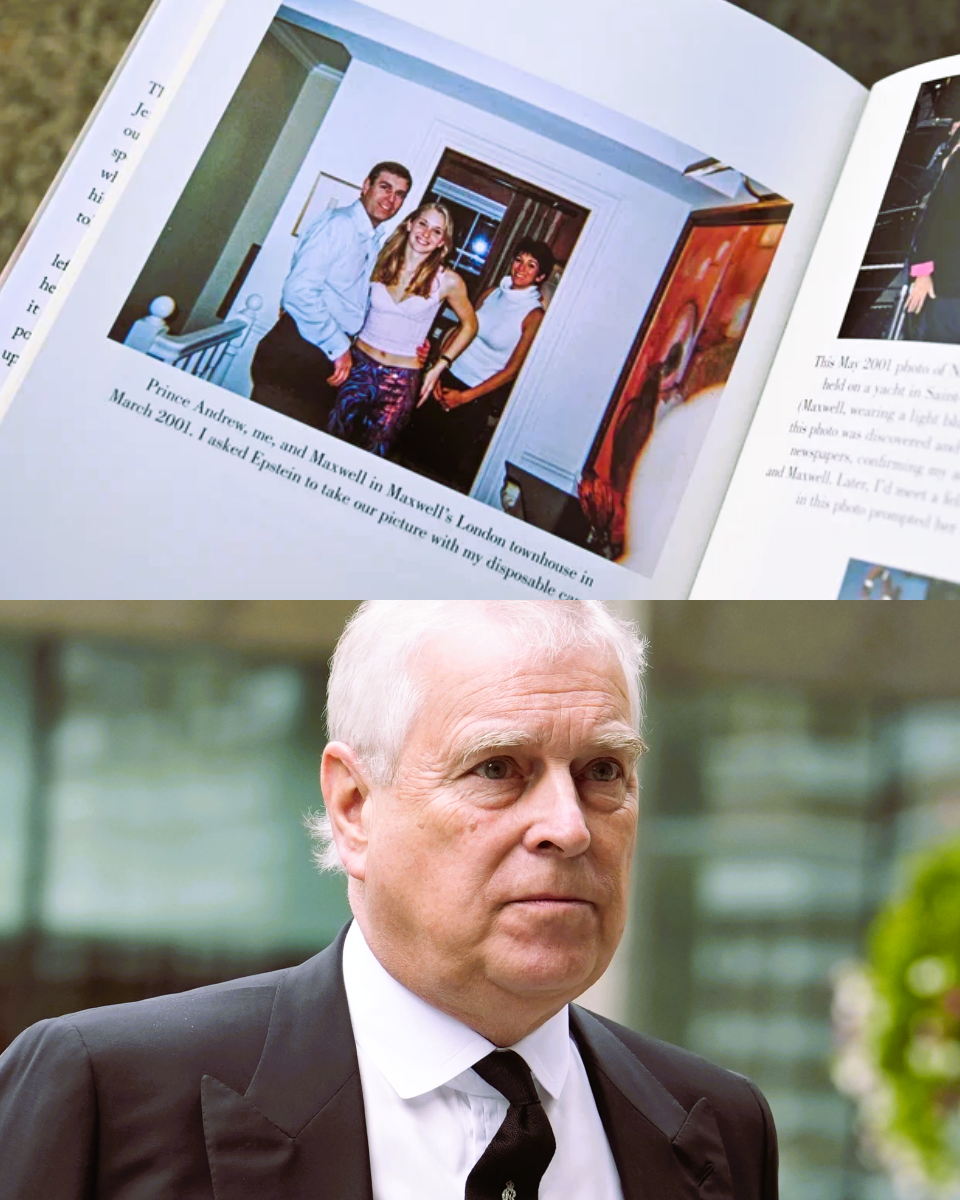
LONDON — The British monarchy has been jolted by an unprecedented legal development after Andrew Mountbatten-Windsor, formerly known as Prince Andrew, was arrested in connection with allegations tied to the wider Jeffrey Epstein scandal—though not in the way many headlines are implying.
According to CBS News and The Guardian, Andrew was detained by police on suspicion of misconduct in public office, following scrutiny of newly surfaced material linked to Epstein that reportedly raised questions about Andrew’s conduct while serving in an official capacity. He was later released under investigation, as inquiries continue.
The arrest has landed like a thunderclap in Westminster because it strikes at something the royal family typically avoids at all costs: the spectacle of a senior royal figure pulled into a criminal process in real time. The Guardian reported Buckingham Palace has signaled it would not oppose a parliamentary move to remove Andrew from the line of succession—an extraordinary posture that underscores the political toxicity now surrounding him.
While Andrew had already been stripped of roles and status in prior fallout from his relationship with Epstein, he technically remained in the line of succession—a constitutional detail that is now becoming a national flashpoint. In separate reporting, The Guardian said ministers and MPs were actively discussing legislation to formally remove him, stressing that any final action would require due process and coordination across the Commonwealth realms that share the same monarch.
The pressure has intensified as investigators widen their net. The Guardian also reported police planned to question former protection officers connected to Andrew—an escalation that suggests authorities are not treating the issue as a mere public-relations storm, but as a live investigative thread.
It is critical, however, to separate confirmed legal status from viral narrative. Current reporting indicates Andrew’s arrest relates to alleged misconduct connected to public office, rather than a new criminal charge directly alleging sexual abuse. That distinction matters because public discussion around Epstein frequently collapses multiple allegations and timelines into a single explosive claim—fueling confusion even as the legal process moves in narrower lanes.
Even so, the optics are devastating. The same figure once marketed as a royal “insider” and international envoy is now a liability so radioactive that lawmakers are openly debating rewriting constitutional reality around him. In a monarchy built on continuity, the nightmare scenario is no longer hypothetical: the institution is being dragged into a drama where arrest records, police interviews, and legislative maneuvers collide—under the harshest spotlight in the world.