THE NORDIC OBSESSION: Canada’s Sauna Boom Tests the Line Between Public Health and Premium Lifestyle
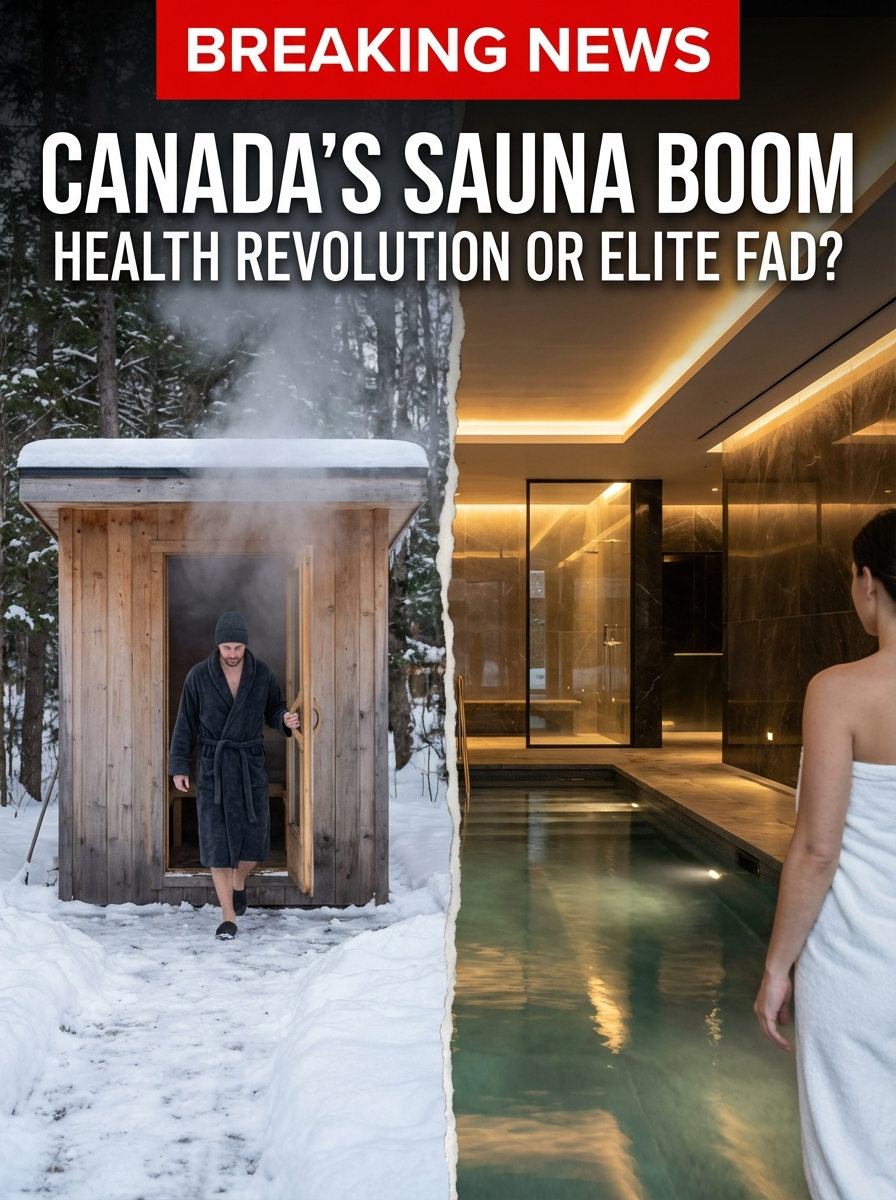
From cabin-country wood stoves to urban “thermal circuits,” sauna culture is surging across Canada—and so is the argument over what it really represents. Supporters frame it as practical winter self-care with credible cardiovascular upside; critics see a high-priced wellness wave that risks repackaging old habits as luxury status symbols.
The health case is not invented. Major clinical reviews in Mayo Clinic Proceedings and peer-reviewed analyses indexed by NIH report that regular sauna bathing is associated with improved vascular function, lower blood pressure over time, and reduced cardiovascular risk in some populations. Mayo Clinic’s patient guidance on infrared saunas is more cautious but still notes potential benefit areas, while emphasizing that stronger evidence is still needed for many claims.
At the same time, clinicians warn against “miracle cure” messaging. Heat exposure can cause dehydration, dizziness, and blood-pressure drops in some users, and medical supervision may be necessary for people with certain conditions. In other words, sauna may be useful—but it is not a substitute for core care, including sleep, nutrition, exercise, and timely medical treatment.
That caveat matters in Canada’s current context. National and provincial indicators continue to show strain in access pathways, including specialist waits and delays in community mental-health counselling. Yet the commercial sauna economy is clearly accelerating, with market analysts projecting sustained growth in sauna and spa services through the decade.
The result is a cultural split: one Canada is embracing affordable, communal heat traditions as resilience in long winters; another is buying into premium Nordic experiences priced beyond most households. If sauna culture is to become a true “health revolution,” experts say the next phase must focus less on exclusivity and more on access, safety guidance, and evidence-based expectations. Otherwise, the steam may keep rising while the underlying inequities stay exactly where they are.