THE LONGEVITY LIE? Cardiologists Say the Real Risk Isn’t Trendy Supplements—It’s Sleep and Daily Diet
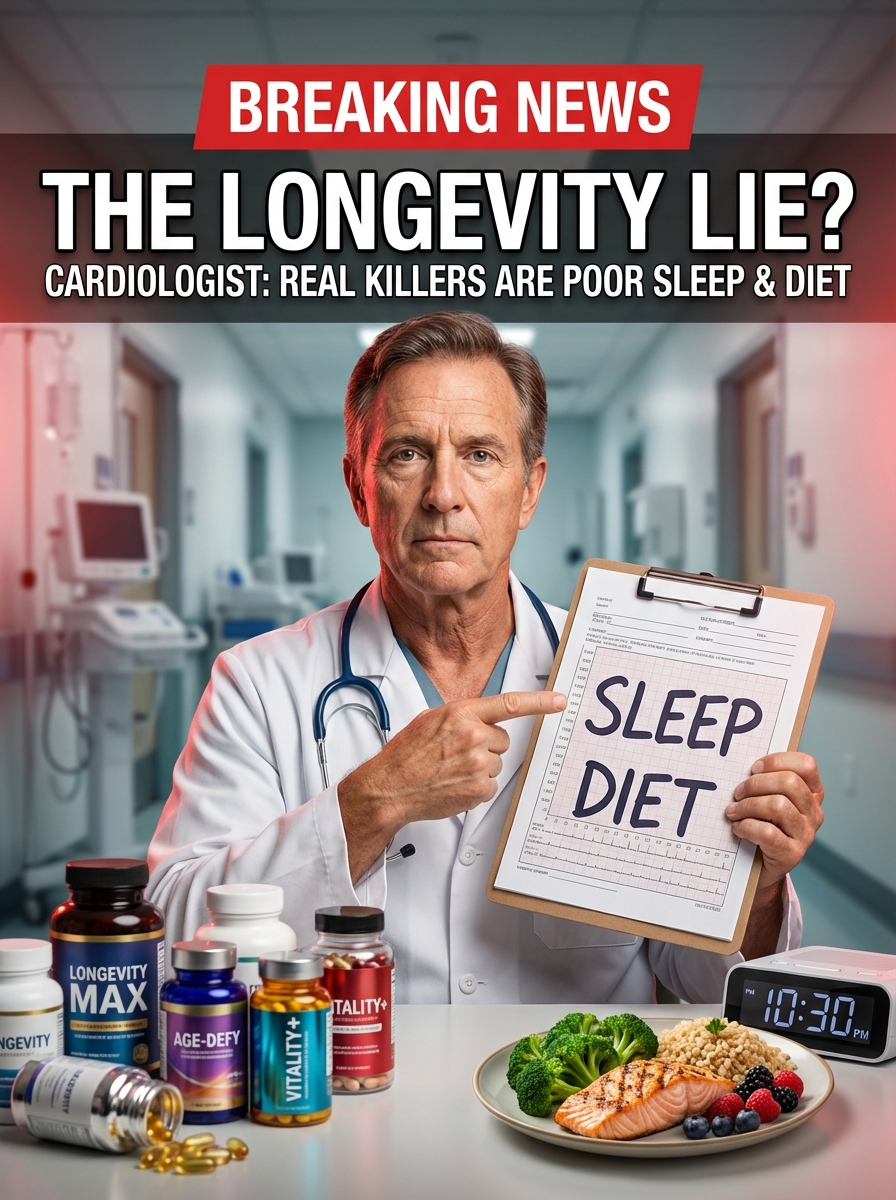
A growing number of U.S. heart specialists are pushing back against the booming “longevity hack” market, arguing that expensive supplement stacks and biohacking routines are often distracting people from the basics most strongly linked to long-term health: sleep quality and everyday eating patterns.
In a newly published interview with practicing cardiologists, poor sleep was described as one of the most underestimated cardiovascular threats in modern life. Cardiologist Dr. Jayne Morgan said disrupted sleep can worsen blood pressure regulation and metabolic function, increasing risk for heart disease, stroke, and rhythm disorders.
That position aligns with mainstream cardiology guidance. The American Heart Association’s “Life’s Essential 8” includes sleep as a core pillar of cardiovascular health, with adults advised to average 7–9 hours nightly. The AHA also emphasizes that heart-protective eating should center on vegetables, fruits, whole grains, healthy protein sources, and minimal added sugars or heavily processed foods.
Meanwhile, evidence for many popular supplements remains mixed or disappointing in large trials. Landmark NEJM studies found that vitamin D supplementation did not significantly reduce invasive cancer or major cardiovascular events in generally healthy adults, and other high-profile supplement trials have similarly failed to show broad prevention benefits.
The message from clinicians is blunt: longevity is less about purchasing the newest “anti-aging protocol” and more about consistently doing unglamorous fundamentals—sleeping enough, eating better most days, moving regularly, and avoiding nicotine.
In other words, the most uncomfortable truth may also be the least marketable one: the strongest levers for a longer life are not secret. They are familiar, measurable, and stubbornly hard to practice—especially in a culture built on convenience, stress, and quick-fix promises. For cardiologists, that is exactly why the “longevity lie” keeps selling.