VETERANS IN THE STREETS: Minnesota Protests Against ICE Enter a Volatile New Phase
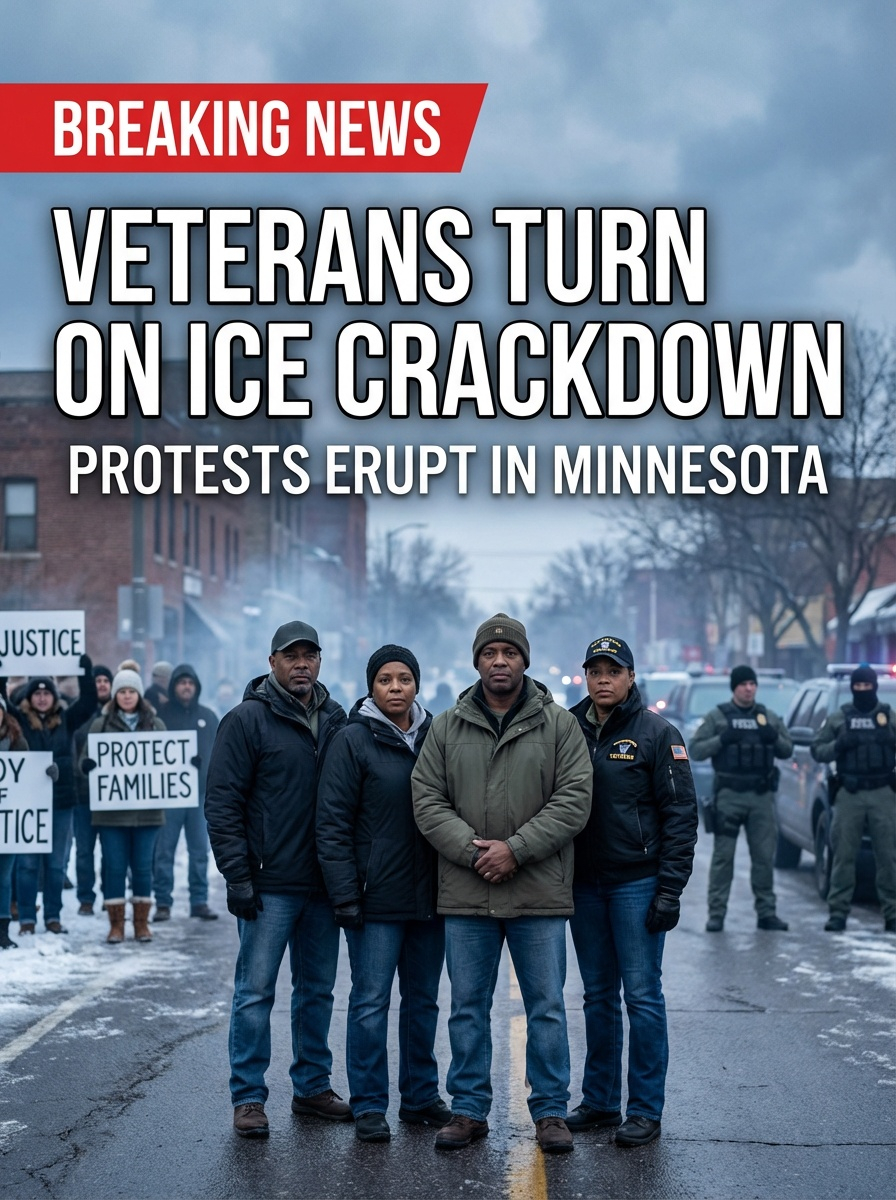
Minnesota’s anti-ICE demonstrations have escalated into a broader national flashpoint, and one image is driving the debate: military veterans standing shoulder-to-shoulder with protesters against federal immigration operations. What began as outrage over deadly encounters involving immigration agents has evolved into a deeper confrontation over accountability, use of force, and the meaning of public service.
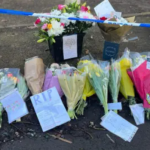
Reuters reports that thousands marched in Minneapolis and coordinated walkouts spread nationwide after fatal shootings tied to federal immigration enforcement in Minnesota. The mobilization intensified as bystander video and court filings challenged official accounts of key incidents.
The controversy deepened further this week. Minnesota officials said the FBI has withheld critical evidence in the Alex Pretti investigation, frustrating state-level review efforts and amplifying accusations of federal opacity. Governor Tim Walz publicly criticized the lack of cooperation, while families and activists called for independent oversight.
Meanwhile, internal guidance reviewed by Reuters showed ICE officers in Minnesota were instructed to avoid direct engagement with “agitators” and to use amplified commands during arrests—an attempt at de-escalation that critics say came only after trust had already collapsed.
Veterans’ presence has become a symbolic turning point. Some describe their participation as a continuation of their oath to defend constitutional rights and civilian protections; opponents call it a politicization of military identity. That split now sits at the heart of the national argument: whether resistance to federal enforcement represents civic duty—or institutional breakdown.
With legal battles still active, street protests ongoing, and federal-state tensions unresolved, Minnesota has become a test case for how America handles force, dissent, and democratic legitimacy in an era of hardline immigration politics. If transparency does not improve soon, the conflict may widen from a policing crisis into a durable legitimacy crisis for federal authority itself.