Google Stole My Voice: The AI Ethics Nightmare Unfolding in Real Time?
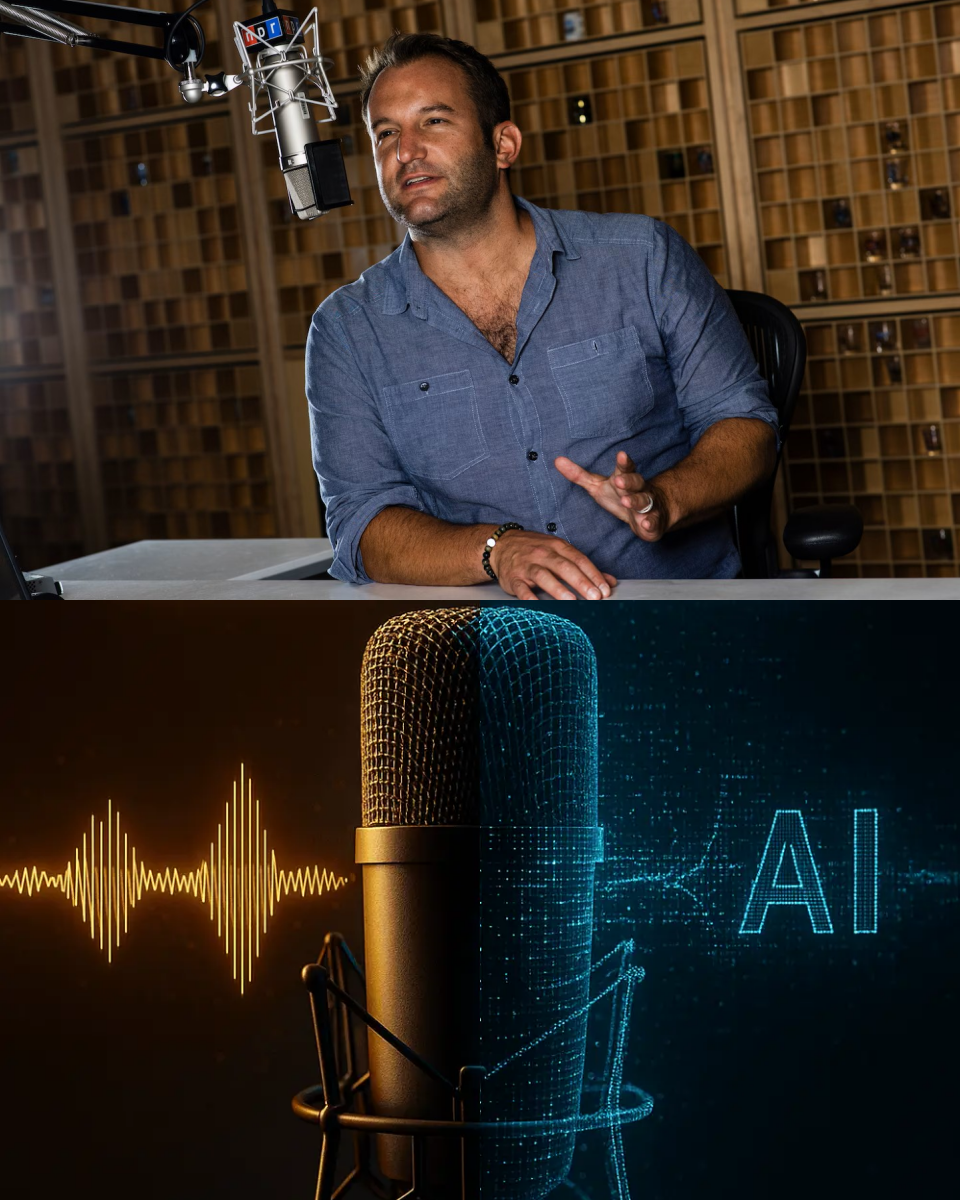
San Francisco — A high-profile lawsuit accusing Google of replicating a veteran broadcaster’s voice for artificial intelligence applications is intensifying global debate over digital identity, consent, and the legal boundaries of generative technology.
David Greene, a longtime public radio journalist and former host of NPR’s Morning Edition, has filed legal action claiming that Google’s AI research tool NotebookLM produced a synthetic podcast voice that closely mirrors his own vocal tone, cadence, and delivery style. Greene says he became aware of the alleged resemblance after colleagues flagged the similarity — with some initially believing he had personally recorded the audio.
The lawsuit argues that such replication, if unauthorized, constitutes misappropriation of likeness and could damage Greene’s reputation — particularly if AI-generated speech is attributed to him without consent. His legal team has reportedly submitted third-party audio analyses suggesting a measurable similarity between the AI voice and Greene’s speech patterns, though the findings stop short of definitive proof.
Google has rejected the allegations, stating that the NotebookLM voice is based on recordings from a paid professional voice actor rather than Greene. The company describes the feature — known as “Audio Overviews” — as a synthetic conversational tool designed to summarize user documents in a natural podcast format.
Regardless of the case’s outcome, legal scholars say it could prove pivotal. U.S. precedent on “voice rights” dates back decades, including lawsuits by performers whose distinctive voices were imitated in advertising without permission. But AI’s ability to algorithmically synthesize speech — without directly sampling copyrighted recordings — complicates traditional intellectual-property frameworks.
The Greene dispute is part of a wider wave of litigation. Voice actors, musicians, and public figures worldwide have launched lawsuits alleging unauthorized cloning of voices and likenesses for commercial AI systems. Courts have so far delivered mixed rulings, exposing gaps in copyright and publicity law when applied to synthetic media.
Ethicists warn the stakes extend beyond celebrity disputes. As voice synthesis becomes indistinguishable from human speech, questions arise over misinformation, identity theft, and labor displacement in creative industries.
For Greene, the issue is not opposition to AI itself but consent. The courts must now decide whether a voice — honed over decades — is protectable identity, or merely an algorithmic coincidence. The ruling could shape the future of ownership in the age of machine-generated humanity.