Olympic Curling Scandal: Is Fair Play Dead, or Just Canadian?
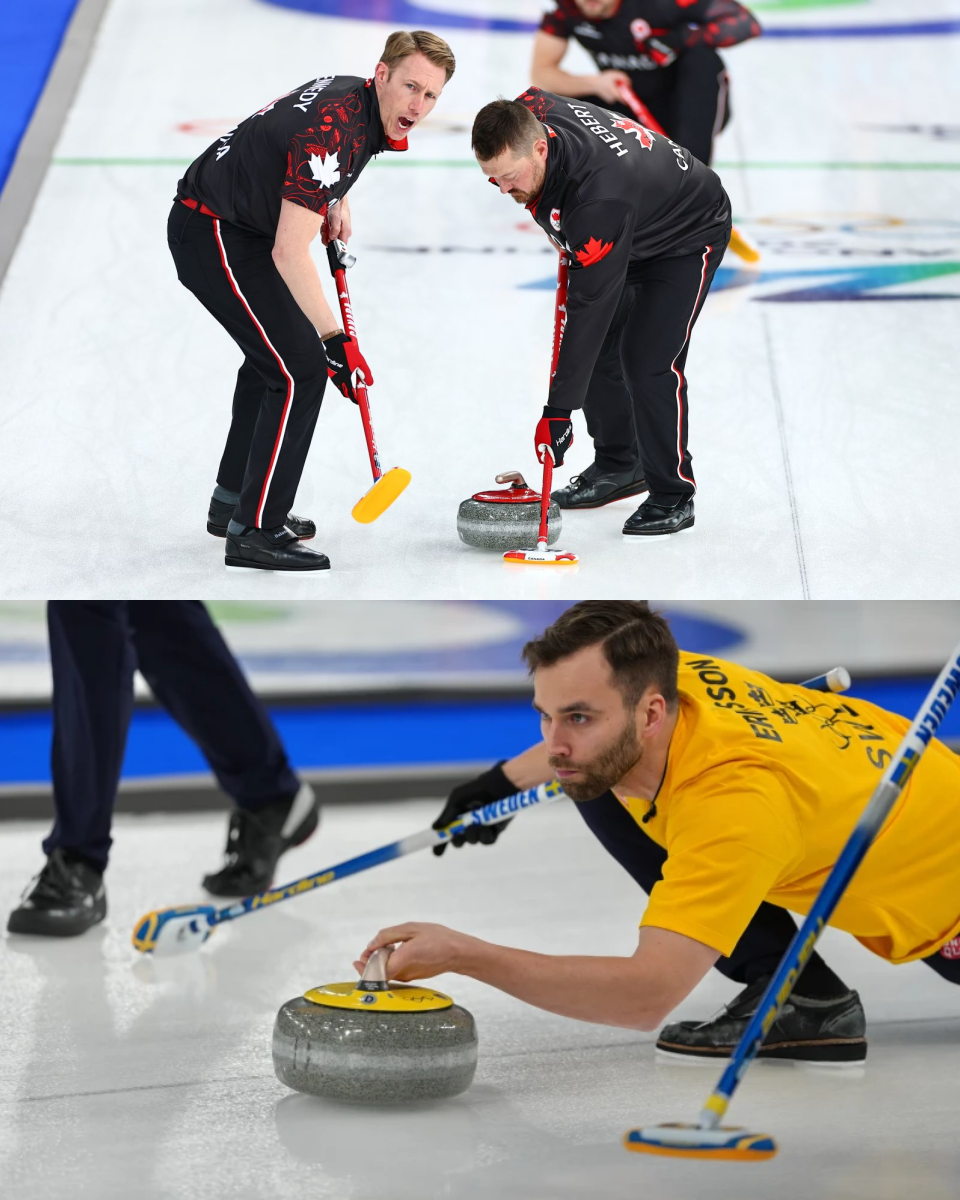
Milan–Cortina — Curling, long celebrated as one of the Olympics’ most sportsmanlike disciplines, has been thrust into an unexpected storm of controversy following cheating allegations involving Canada’s national teams — a dispute now prompting officiating changes and renewed scrutiny of the sport’s integrity.
The scandal centers on accusations of “double-touching,” a rules violation in which a curler illegally makes contact with the stone after releasing it past the hog line. Swedish players first raised concerns during a heated men’s round-robin match against Canada, alleging that Canadian curler Marc Kennedy grazed the granite surface of the stone after delivery — an action prohibited under World Curling rules.
Video clips circulated online appeared to show possible infractions, fueling debate among fans and officials. Kennedy denied wrongdoing, while tensions escalated into verbal confrontations on the ice. The controversy widened when Switzerland later echoed similar accusations, intensifying scrutiny on Canada’s delivery techniques.
The women’s competition soon became entangled. Canadian skip Rachel Homan’s team was penalized in a separate match for an alleged double-touch violation, with one of their stones removed from play — a decision Canadian athletes criticized as inconsistent and poorly adjudicated.
In response, World Curling implemented immediate officiating adjustments. Additional judges were stationed near hog lines to monitor releases more closely, and discussions began over introducing video replay systems — a technology previously absent from elite curling due to the sport’s reliance on honor-based self-officiating.
The episode has ignited a broader philosophical debate. Curling’s culture has historically emphasized trust, etiquette, and self-reporting of fouls — a stark contrast to high-surveillance officiating in other Olympic sports. Critics argue the scandal reflects growing win-at-all-costs pressure in modern competition, while defenders warn against overreaction to disputed calls lacking definitive proof.
Notably, the controversy has expanded beyond Canada. Athletes from Britain and other nations have since faced similar scrutiny, suggesting systemic officiating gaps rather than isolated misconduct.
Whether the incident represents a fleeting Olympic drama or a turning point for curling governance remains uncertain. What is clear, however, is that a sport once defined by quiet respect now finds itself confronting the same integrity questions reshaping global athletics — where technology, transparency, and trust must find a new competitive balance.