Measles Resurgence: Is Anti-Vaxxer Sentiment to Blame for a Looming Public Health Crisis?
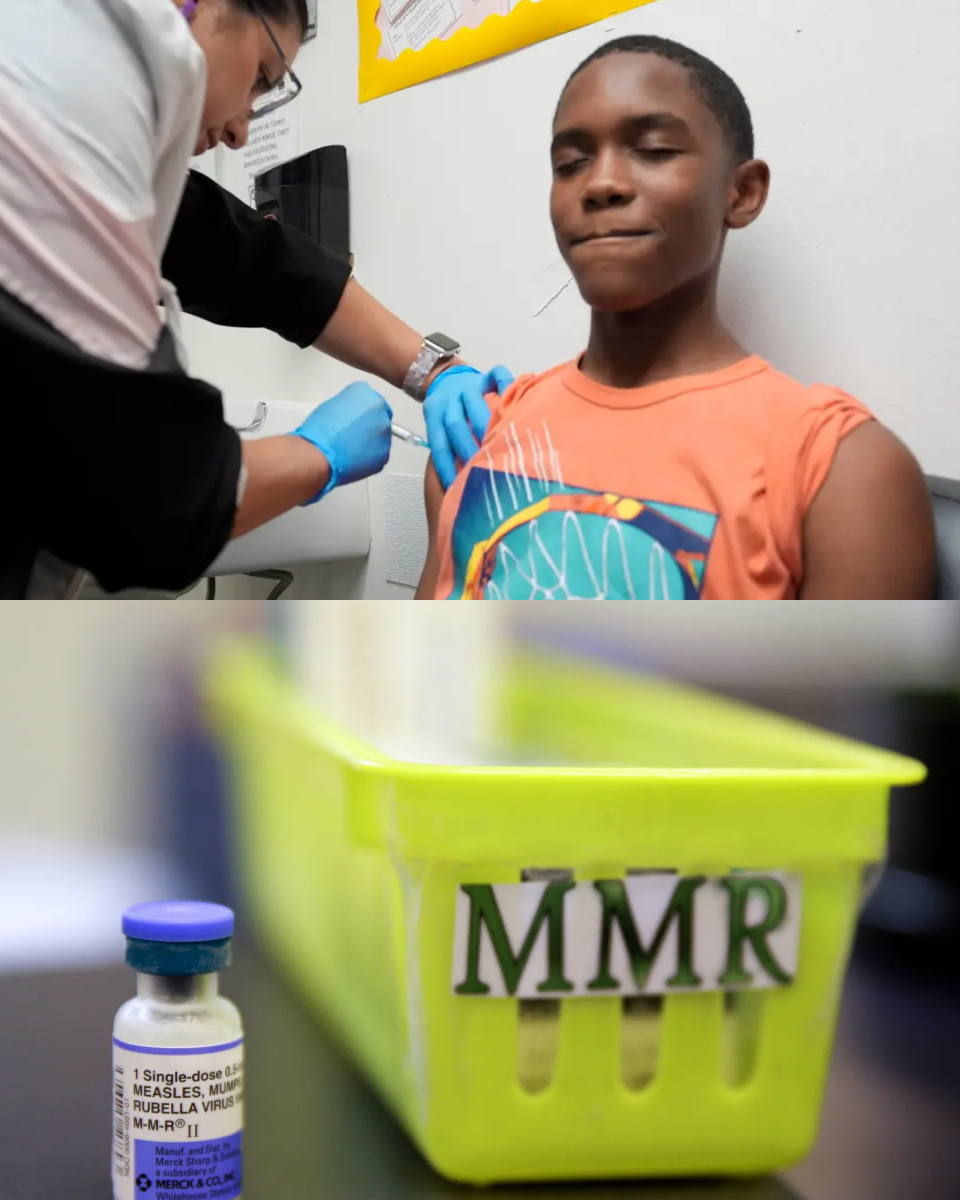
Washington, D.C. — The United States is confronting a sharp resurgence of measles, a vaccine-preventable disease once declared eliminated nationwide in 2000. Public health officials warn the early months of 2026 have already produced hundreds of confirmed infections, raising fears that declining immunization coverage could erode decades of progress.
According to the U.S. Centers for Disease Control and Prevention (CDC), more than 700 measles cases had been confirmed by early February across at least 20 states. The pace of spread has alarmed epidemiologists, with weekly case counts climbing steadily amid multiple simultaneous outbreaks. Some regional clusters — including major outbreaks in the Southeast — account for hundreds of infections alone, underscoring the scale of transmission.
Health experts point to vaccination gaps as a central driver. Herd immunity for measles typically requires about 95% immunization coverage, yet U.S. kindergarten vaccination rates have slipped below that threshold in recent years. National coverage now hovers in the low-90% range, with some local communities falling far lower — creating pockets where the virus can spread rapidly.
Data from recent outbreaks reinforce the connection. The overwhelming majority of infections — in some analyses more than 90% — occur among unvaccinated individuals or those with unknown vaccination status. Children and adolescents account for a large share of cases, heightening concerns about school-based transmission.
The role of vaccine hesitancy has therefore come under intense scrutiny. Public health researchers say misinformation, pandemic-era disruptions to routine immunization, and growing ideological resistance to mandates have all contributed to declining uptake. Officials stress that measles is among the most contagious viruses known — capable of infecting nine out of ten unvaccinated people exposed.
Still, experts caution against attributing the crisis to a single cause. International travel, healthcare access disparities, and surveillance gaps also influence outbreak dynamics.
With the U.S. now at risk of losing its measles-elimination status, the resurgence has reignited a fundamental debate: how to balance personal choice with collective responsibility. As case counts climb, health authorities warn that restoring public trust in vaccination may prove as critical as containing the virus itself.