Canada Dumps U.S. Arms: A Betrayal or a Bold Step Towards Sovereignty?
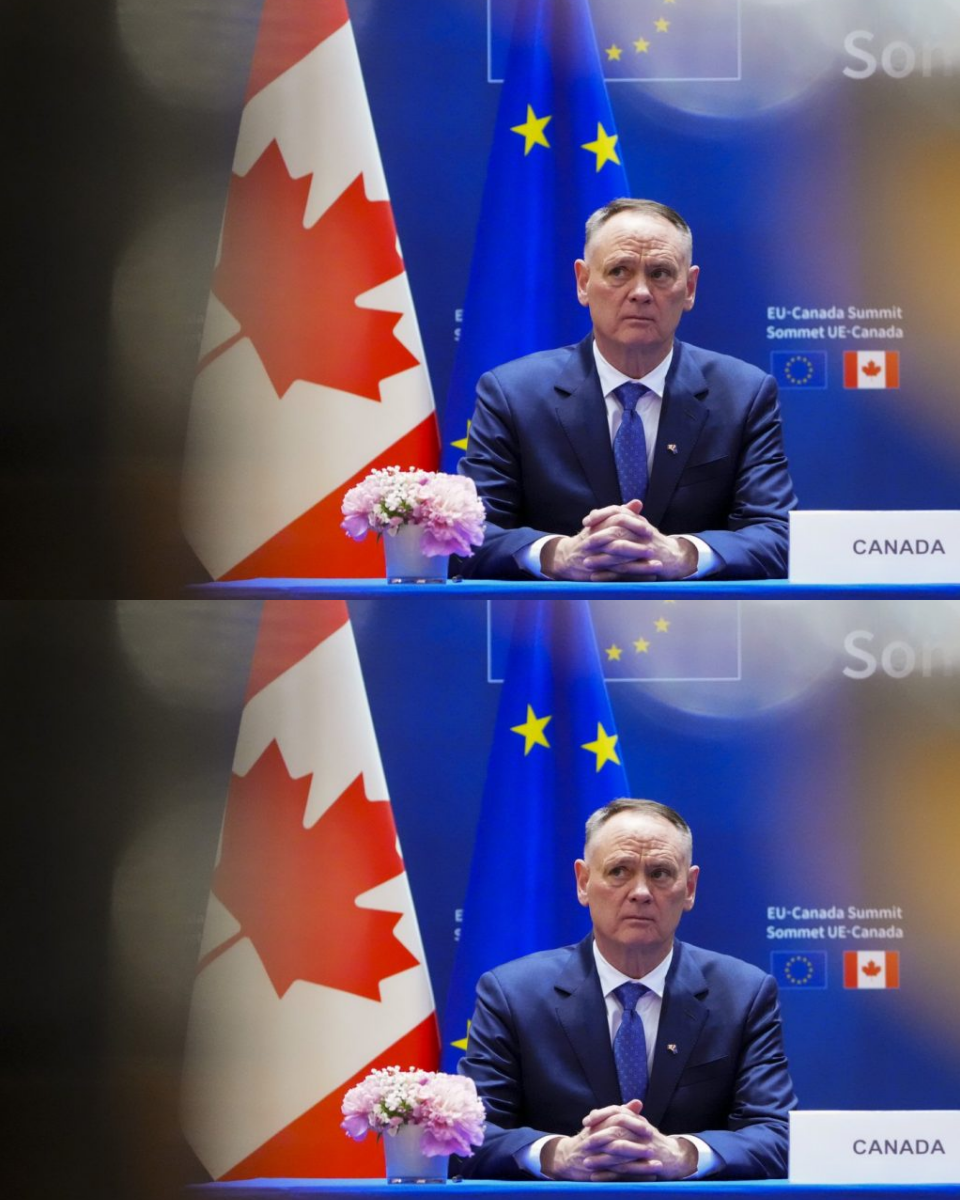
Ottawa — Canada’s evolving defence procurement strategy is reshaping long-standing military-industrial ties with the United States, sparking debate over whether the shift represents strategic independence or a strain on one of the world’s closest alliances.
According to emerging policy outlines and industry briefings, Ottawa is moving to channel a significantly larger share of military spending toward domestic manufacturers. A forthcoming defence industrial strategy aims to allocate as much as 70% of procurement to Canadian firms — up from roughly half today — while expanding the sector’s workforce and economic footprint. Officials argue the policy will strengthen supply-chain resilience, create jobs, and reduce reliance on foreign suppliers in an increasingly unstable geopolitical climate.
The shift does not amount to a total break with Washington, but it does signal diversification. Canada has joined major European defence procurement initiatives, including the EU’s Security Action for Europe (SAFE) program, broadening its supplier base beyond North America. Analysts view this as part of a wider Western trend toward regionalized defence production and strategic autonomy.
Tensions have also surfaced around high-profile U.S. contracts. Ottawa has reviewed elements of its F-35 fighter acquisition and explored alternative partnerships for submarines and other platforms, reflecting both industrial ambitions and political sensitivities. Still, existing defence integration remains deep: decades-old agreements such as the Defence Production Sharing framework intertwine the two countries’ military supply chains.
Supporters frame the procurement pivot as overdue nation-building — ensuring Canada can equip its forces without overdependence on a single ally. Critics, however, warn that sidelining U.S. contractors could complicate interoperability, raise costs, and inject friction into NORAD and NATO cooperation.
For now, Ottawa insists the goal is balance, not rupture. Yet as Canada invests in domestic champions and alternative partners, the recalibration underscores a broader reality: even the closest defence relationships are being renegotiated in an era defined by economic nationalism and shifting global power.