DHS Shutdown: Trump’s Immigration Crackdown Collapses Amid Democratic Blockade — Who’s Really in Control?
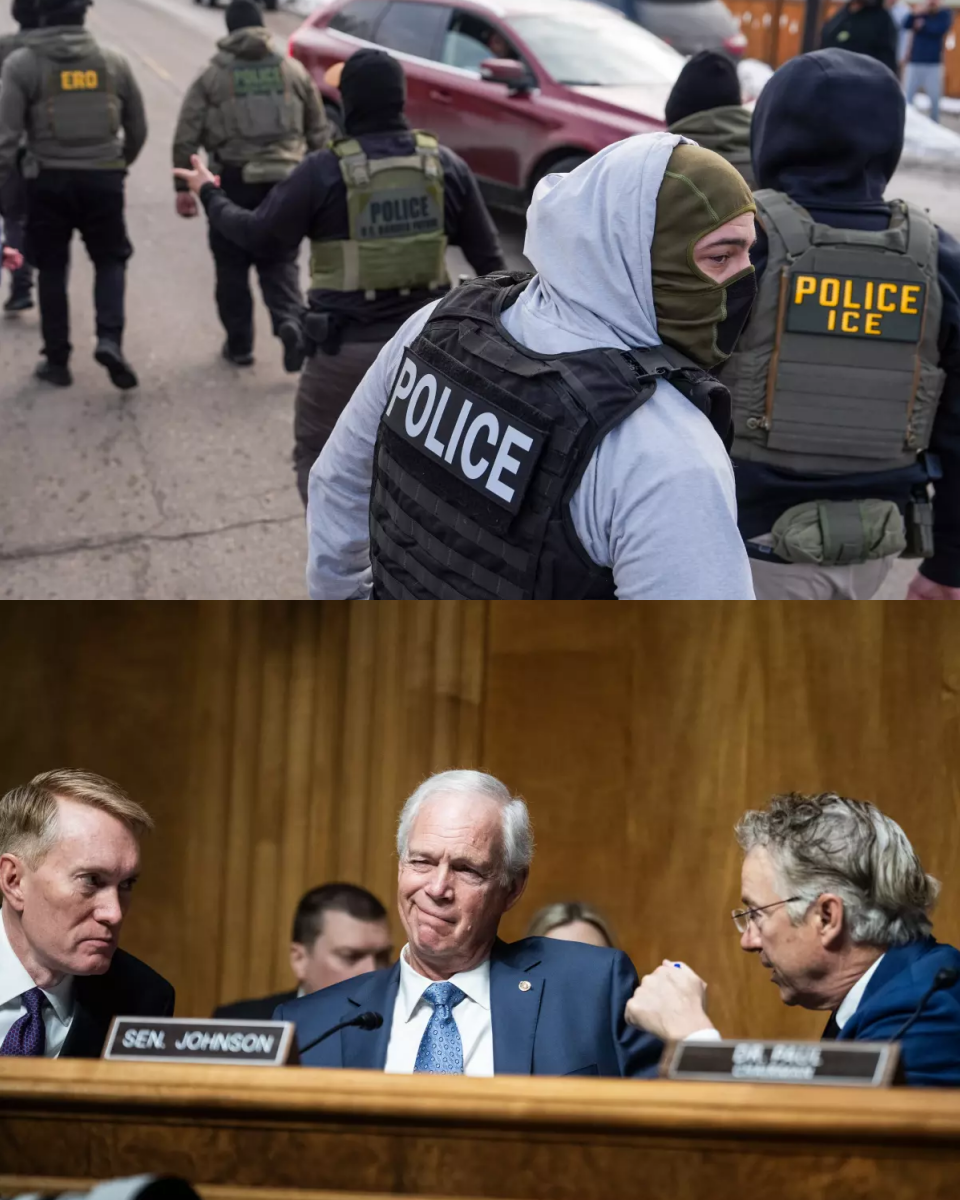
Washington — A partial shutdown of the U.S. Department of Homeland Security (DHS) has exposed deep fractures in Washington’s immigration battle, halting funding for one of the federal government’s most powerful enforcement apparatuses and triggering a constitutional clash over authority, accountability, and national security.
The shutdown began after Senate Democrats blocked legislation to fund DHS operations through the fiscal year, arguing that the bill failed to impose sufficient oversight on immigration enforcement agencies, particularly U.S. Immigration and Customs Enforcement (ICE). Lawmakers demanded reforms including body-worn cameras, visible identification, limits on masked operations, and stricter warrant requirements for arrests on private property.
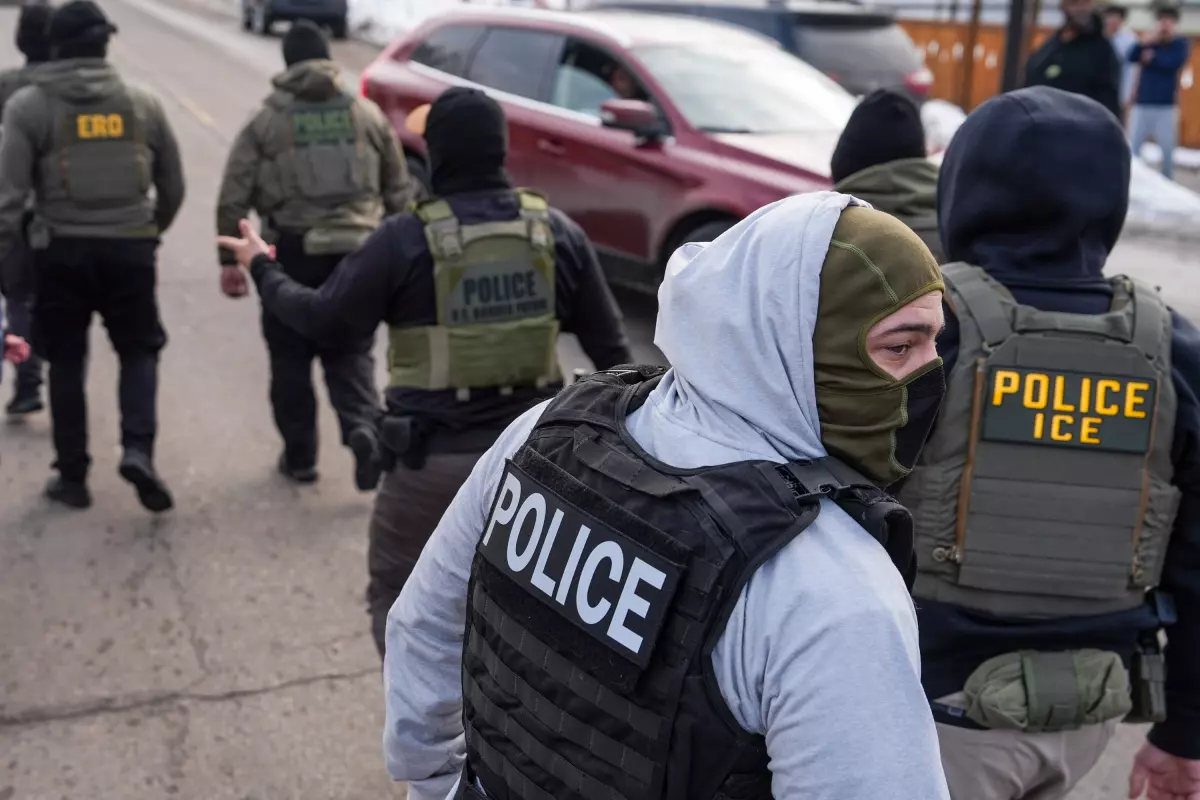
The standoff follows mounting controversy surrounding aggressive enforcement tactics under President Donald Trump’s renewed immigration crackdown. High-profile raids and fatal encounters involving federal agents — especially during large-scale operations in Minnesota — intensified public scrutiny and fueled protests nationwide. Democrats argue the funding fight is necessary to curb what some describe as a “rogue” enforcement culture, while Republicans counter that restricting ICE would endanger border security and embolden criminal networks.
Despite the funding lapse, most DHS personnel — including TSA screeners, Coast Guard members, and many immigration officers — continue working without pay under “essential services” designations, softening immediate operational impacts while deepening workforce strain. Airport security, disaster response, and cybersecurity functions remain active, though analysts warn prolonged disruption could degrade readiness.
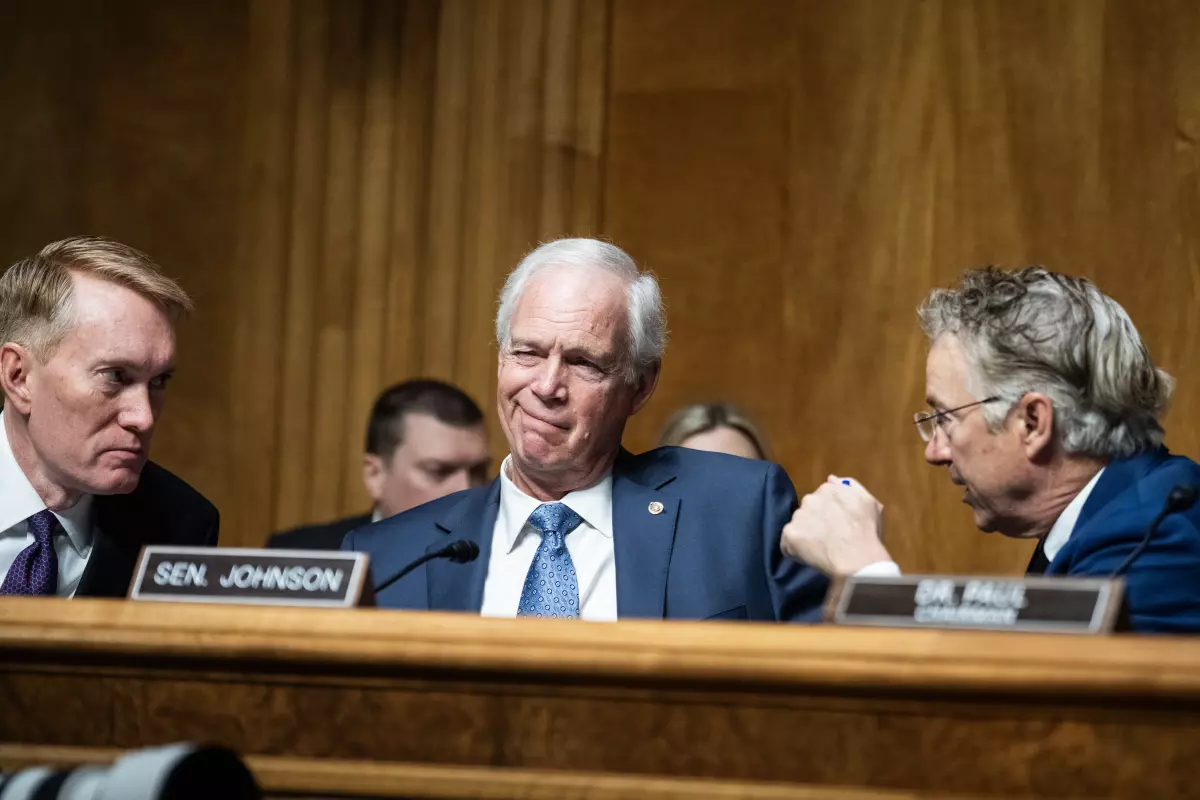
Negotiations have stalled, with both parties entrenched. Democratic leaders insist reforms are non-negotiable, while the Trump administration maintains that enforcement operations reflect the president’s electoral mandate to secure the border.
Beyond immigration, the confrontation carries institutional consequences. By leveraging funding authority to force policy concessions, Congress is testing the limits of executive power over enforcement agencies. Whether viewed as a human-rights safeguard or a national-security gamble, the DHS shutdown underscores a broader reality: control of America’s immigration agenda now hinges as much on budget brinkmanship as on border policy itself.