Security and Safety Concerns Dominate U.S. Debate as Border and Campus Incidents Converge
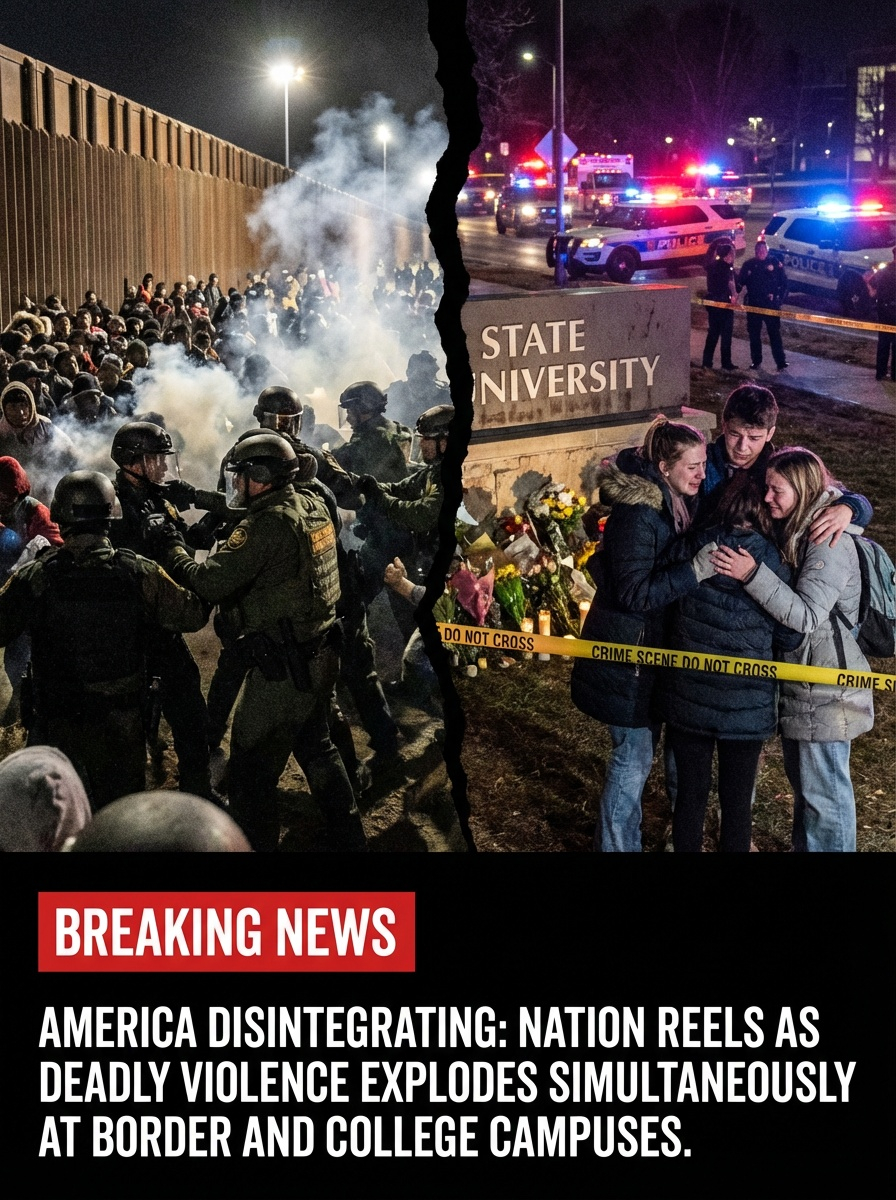
Washington — A series of high-profile incidents spanning immigration enforcement operations and campus violence has intensified national debate over public safety, law enforcement strategy, and institutional preparedness across the United States.
At the southern border and in interior enforcement zones, federal immigration operations have expanded in scale and visibility over the past year. Large-scale raids, detention surges, and officer deployments have drawn praise from officials who say the measures are necessary to curb illegal crossings, disrupt trafficking networks, and enforce federal law. Administration leaders argue that stepped-up enforcement reflects operational necessity amid sustained migration pressure.
However, several enforcement actions have also generated controversy. Use-of-force incidents, including shootings tied to arrest operations, have triggered federal investigations and congressional scrutiny. Civil-rights organizations and some lawmakers have questioned oversight mechanisms, officer accountability, and the broader social impact of aggressive enforcement tactics.
Simultaneously, recent violent incidents on university campuses — including fatal shootings in student housing facilities — have renewed anxiety about school safety. Though statistically rare compared with other forms of violent crime, campus shootings carry disproportionate psychological impact due to their settings and victims’ age profiles.
Higher-education institutions have responded by tightening access controls, expanding campus police patrols, and investing in emergency alert systems. University leaders say balancing open academic environments with modern security realities remains an ongoing challenge.
Security analysts caution against conflating separate policy arenas. Border enforcement and campus violence stem from distinct drivers — including migration dynamics, criminal networks, mental-health factors, and firearm access — requiring tailored policy responses rather than unified crisis framing.
Still, the convergence of security headlines has amplified public perception of instability. Polling indicates rising concern about crime, border management, and domestic safety, even as long-term national crime rates remain below historical peaks.
Policy experts say the dual debates now unfolding — immigration enforcement authority and campus security preparedness — are likely to shape legislative agendas, funding priorities, and political discourse heading into the next electoral cycle.
While officials emphasize that federal and local institutions remain operational, the incidents underscore the complexity of managing security across multiple fronts in an era of heightened public scrutiny.