Trump Administration Revokes EPA Climate Authority in Major Regulatory Shift
Washington — The Trump administration has formally repealed the U.S. Environmental Protection Agency’s (EPA) landmark “endangerment finding,” a scientific determination that for more than a decade served as the legal foundation for federal regulation of greenhouse gas emissions.
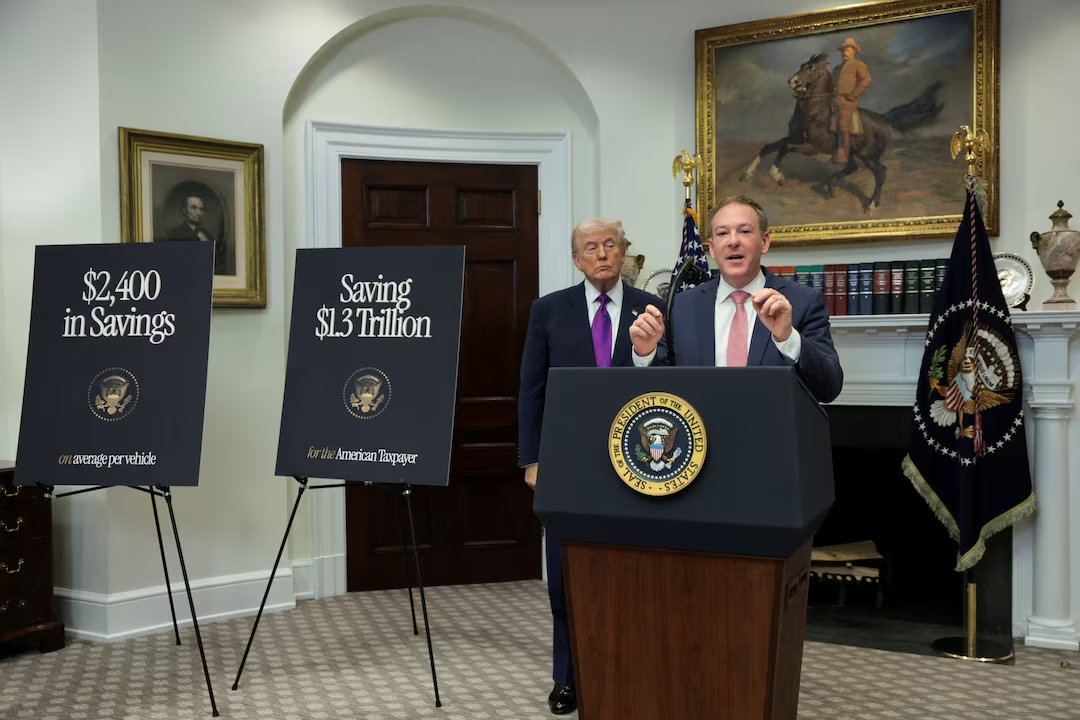
Originally issued in 2009, the finding concluded that carbon dioxide and other greenhouse gases pose a threat to public health and welfare. That determination empowered the EPA, under the Clean Air Act, to regulate emissions from vehicles, power plants, and industrial sources.
The repeal, announced February 12 alongside EPA Administrator Lee Zeldin, effectively removes the federal government’s primary legal basis for limiting climate-warming pollution. Administration officials framed the move as a historic deregulation effort designed to lower energy costs, expand domestic production, and reduce compliance burdens on manufacturers and fossil fuel industries.
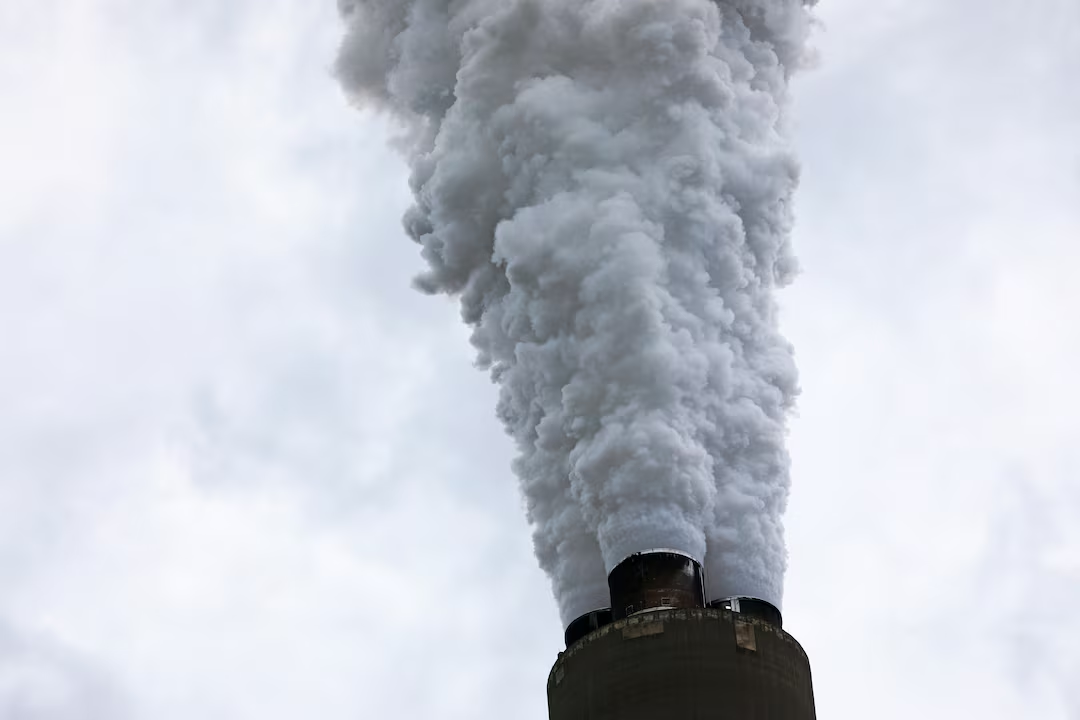
President Donald Trump described the action as “the single largest deregulatory measure” in U.S. environmental policy, arguing that prior rules unfairly constrained economic growth and consumer choice. Supporters — including industry and conservative policy groups — say the rollback could reduce vehicle prices and ease restrictions on energy development.
Environmental organizations, public-health researchers, and climate scientists sharply criticized the decision. They warn that eliminating the endangerment finding could unravel emissions standards nationwide, increase air pollution, and slow progress on climate mitigation. Experts also note links between greenhouse gas–related pollution and respiratory illness, cardiovascular disease, and other health risks.
Legal challenges are widely expected. Because the finding was rooted in the Supreme Court’s 2007 ruling in Massachusetts v. EPA, which affirmed federal authority to regulate greenhouse gases, opponents argue the repeal may face significant judicial scrutiny.
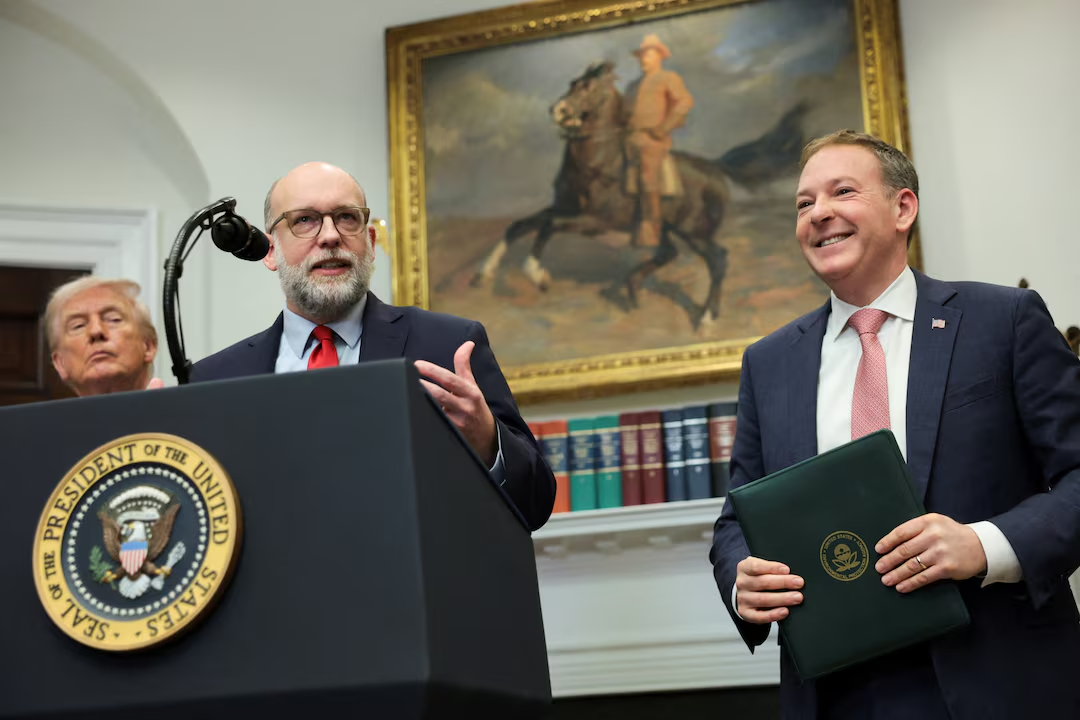
Policy analysts say the rollback marks one of the most consequential shifts in modern U.S. climate policy, transferring greater regulatory responsibility to states while creating uncertainty for industries navigating emissions standards.
As litigation unfolds, the future of federal climate regulation — and the scope of EPA authority — is poised to become a defining legal and political battle in the years ahead.