Poll Finds Majority of Americans Concerned About Federal Immigration Enforcement Tactics
Washington — A new national survey suggests growing public unease over the Trump administration’s expanded use of federal immigration agents in U.S. cities, highlighting widening divisions over enforcement strategy and executive authority.
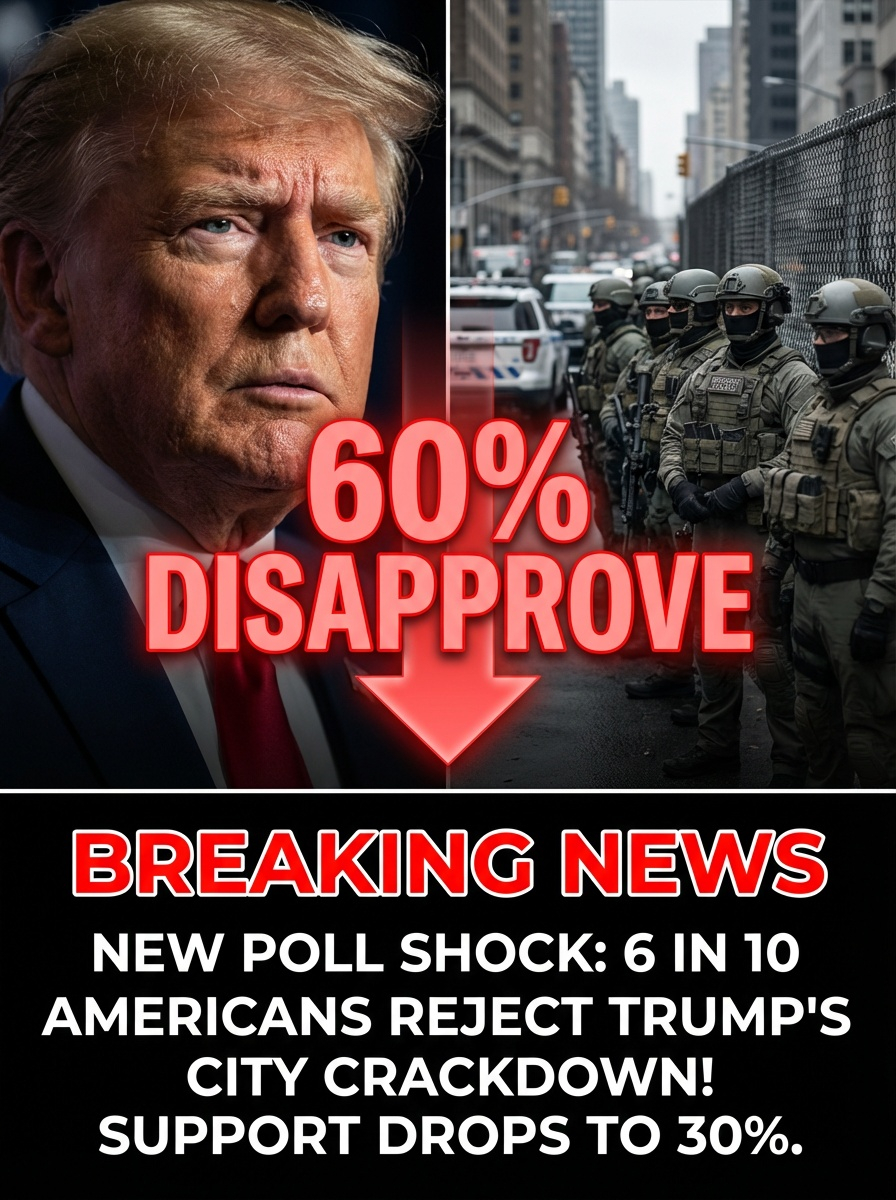
According to the latest AP-NORC Center for Public Affairs Research poll, approximately 60% of Americans say the administration has gone “too far” in deploying federal immigration personnel beyond border regions and into major metropolitan areas. The findings reflect mounting concern over civil liberties, use-of-force incidents, and the scale of recent enforcement operations tied to the White House’s immigration agenda.
The survey indicates that only about 30% of respondents support the current level of enforcement activity, with the remainder undecided or holding mixed views. Opposition appears particularly strong among independent voters — a critical political bloc — many of whom expressed concern that aggressive tactics risk undermining constitutional protections and community trust in law enforcement.
Democratic lawmakers have pointed to the poll as evidence of public backlash, arguing that recent operations — including large-scale raids and federal deployments in cities such as Minneapolis — have escalated tensions without delivering comprehensive immigration reform. Civil rights organizations echoed those concerns, calling for stricter oversight, clearer accountability standards, and limits on domestic enforcement expansion.
Republican leaders, however, dispute the characterization of declining support. They argue that strong enforcement remains necessary to address illegal immigration, human trafficking, and cross-border crime. Administration officials maintain that federal deployments are lawful, targeted, and focused on individuals deemed public-safety threats.
Public opinion on immigration enforcement has historically fluctuated alongside border activity, economic pressures, and high-profile incidents involving federal agents. Analysts note that while headline polling can signal political risk, voter attitudes often remain fluid — particularly during election cycles or periods of heightened national security concern.
The AP-NORC findings underscore the political stakes surrounding the administration’s immigration strategy. Whether the data prompts policy recalibration or reinforces existing enforcement priorities remains uncertain as debates over border security and federal authority continue to dominate Washington’s agenda.