U.S. Homeland Security Funding Standoff Raises Shutdown Fears
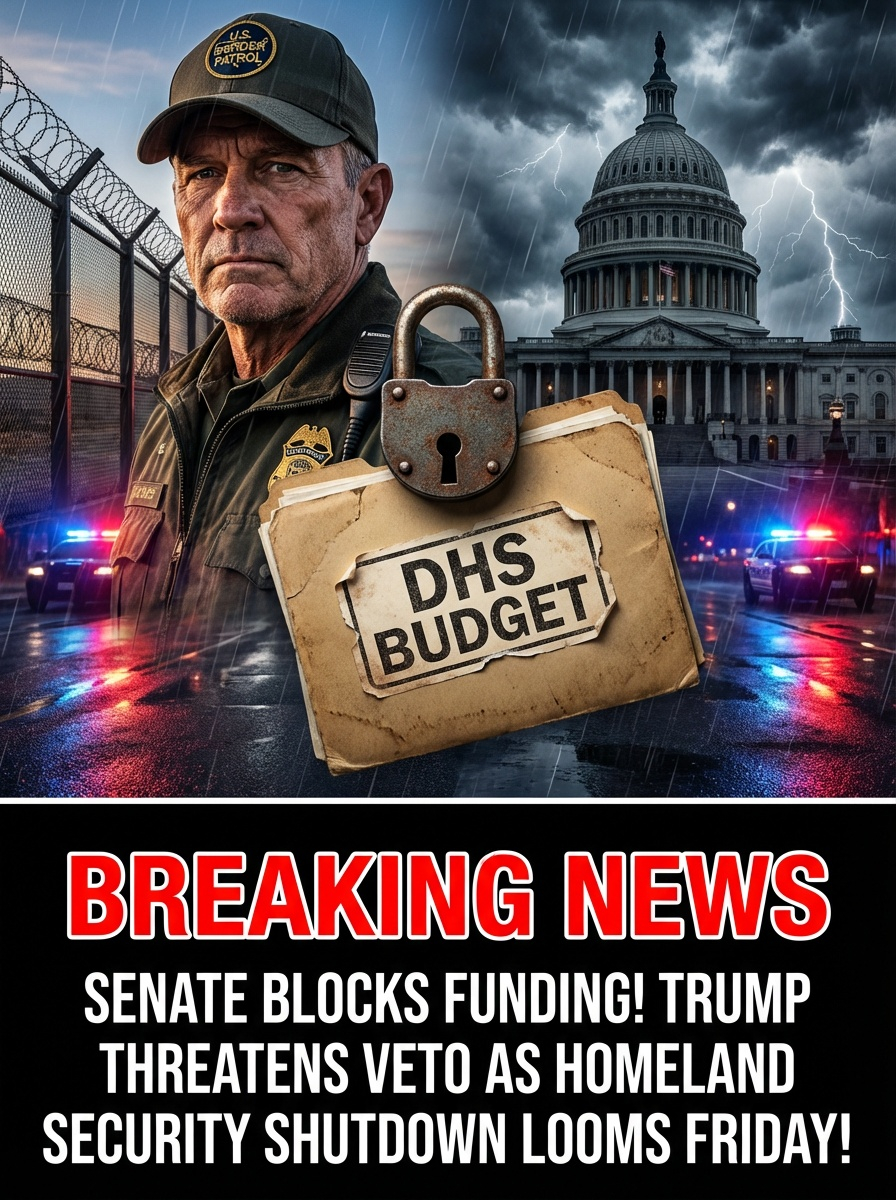
Washington — The United States is facing the prospect of a partial government shutdown after the Senate failed to advance a funding bill for the Department of Homeland Security (DHS), just days before a critical budget deadline.
In a closely watched vote on February 12, lawmakers fell short of the 60 votes required to overcome a filibuster and move the appropriations measure forward. The legislation, which would have financed DHS operations through the remainder of the fiscal year, stalled amid deep partisan divisions over immigration enforcement policy.
Democratic senators blocked the bill, demanding stricter oversight and operational limits on federal immigration agencies, particularly U.S. Immigration and Customs Enforcement (ICE). Their opposition intensified following recent fatal shootings involving immigration officers, incidents that fueled public protests and renewed scrutiny of enforcement tactics.
Proposed Democratic reforms include mandatory body cameras for agents, clearer identification requirements, and tighter rules governing raids near sensitive locations such as schools and hospitals. Republican lawmakers counter that the funding package already contains accountability provisions and warn that additional restrictions could undermine border security and officer safety.
President Donald Trump has criticized Democratic demands and signaled resistance to policy concessions, escalating tensions as negotiations stalled. With Congress adjourned and no immediate compromise in sight, the department’s funding is set to expire by the weekend deadline.
A shutdown would affect agencies including the Transportation Security Administration (TSA), Federal Emergency Management Agency (FEMA), and the Coast Guard. However, analysts note that core immigration enforcement operations may continue due to prior supplemental funding approved in earlier legislation.
While past DHS shutdowns have had limited short-term operational impact — with most personnel deemed “essential” — the political symbolism is significant. The impasse underscores widening partisan conflict over immigration policy, federal law enforcement authority, and national security priorities.
Negotiations are expected to continue, but absent a last-minute agreement, the United States could enter yet another chapter of fiscal brinkmanship with tangible consequences for federal operations and public services.