Calls for Nationwide Boycott Reflect Rising Tensions in UK Immigration Debate
- SaoMai
- February 12, 2026
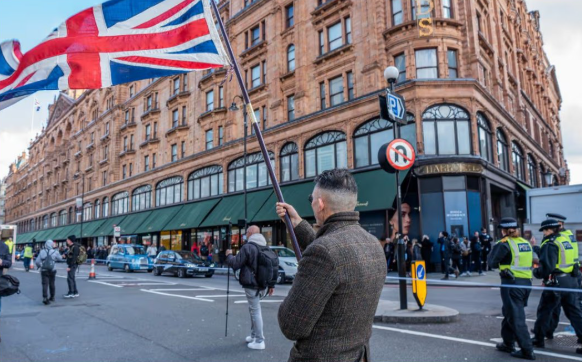
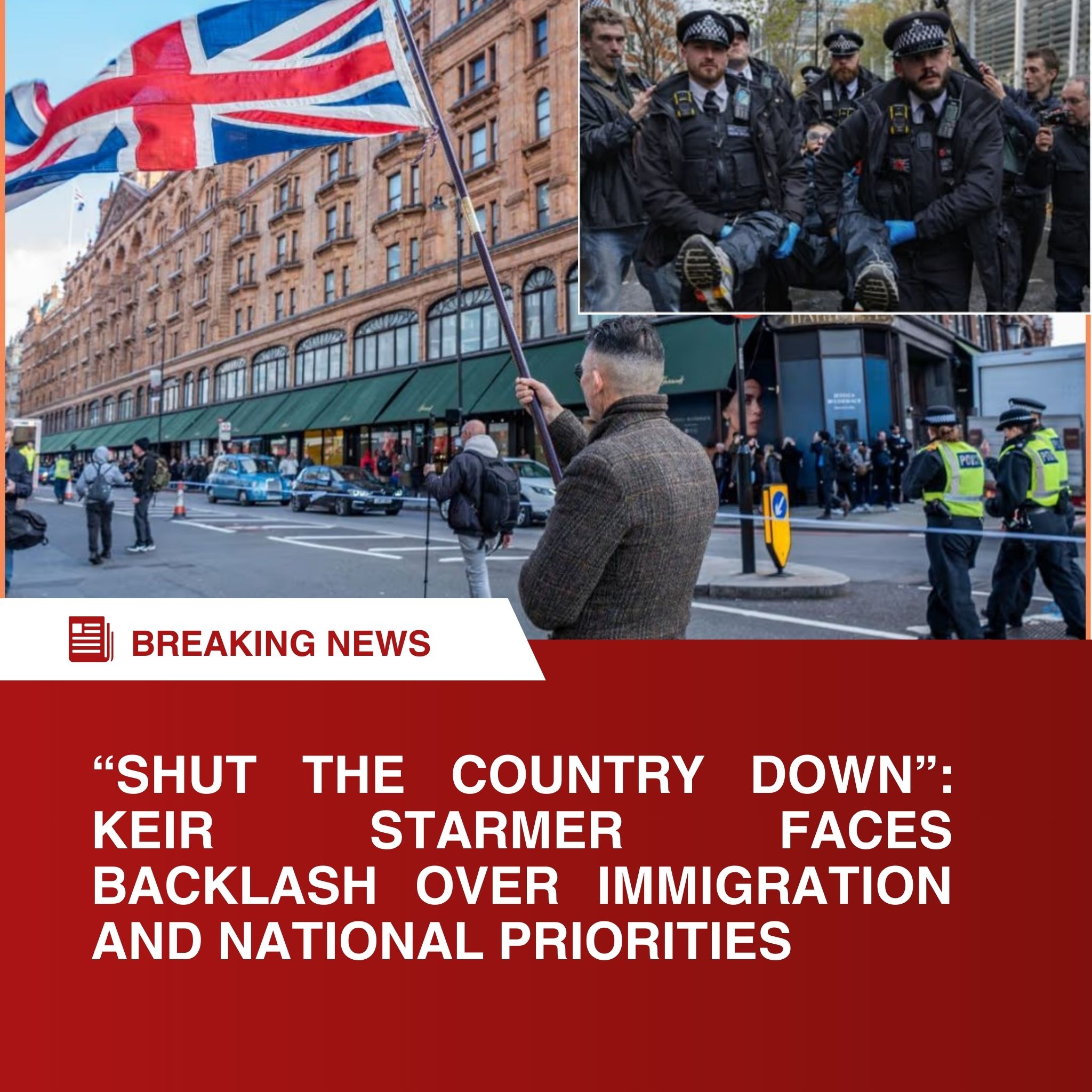
A campaign urging people across the United Kingdom to take part in a week-long boycott — described by its supporters as an effort to “shut the country down” — has gained traction online amid renewed debate over immigration policy and the government’s broader political direction.
Organizers say the proposed action would involve participants refraining from work, study, and non-essential spending as a symbolic protest against Prime Minister Keir Starmer’s approach to immigration and related economic priorities. While there is no indication that a coordinated national shutdown is imminent or likely to materialize at scale, the campaign has generated significant discussion across social media platforms and political forums.
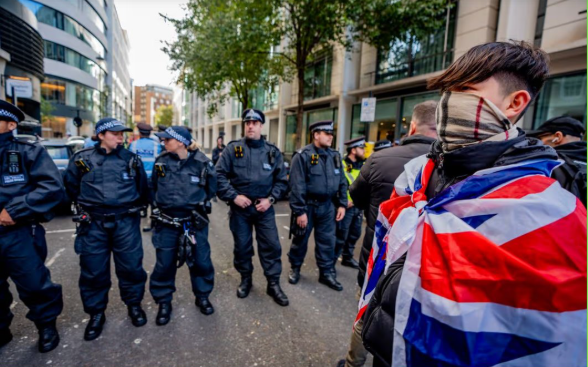 Supporters argue that the initiative reflects frustration among voters who feel their concerns about border control, public services, and economic pressures are not being sufficiently addressed. Some participants describe the boycott as a peaceful way to signal dissatisfaction and demand greater accountability from elected officials.
Critics, however, contend that such actions could have unintended consequences, particularly for small businesses, hourly workers, and students who may be disproportionately affected by disruptions. Business groups have cautioned that even short-term interruptions to consumer activity can strain already fragile sectors of the economy. Others warn that highly charged rhetoric risks deepening divisions at a time when public discourse is already polarized.
 The Prime Minister’s office has not formally responded to the boycott calls, but government representatives have previously defended current immigration policies as part of a broader strategy balancing border management, economic needs, and international obligations.
Political analysts note that while large-scale shutdowns are rare outside of organized labor strikes, online campaigns can serve as indicators of public sentiment, especially when linked to complex and emotive issues such as immigration. The episode underscores the intensity of the national conversation, where economic uncertainty, pressure on public services, and questions about long-term policy direction continue to intersect.
As debate continues, attention is likely to focus not only on whether the boycott gains tangible support, but also on how political leaders respond to the underlying concerns driving the campaign.