WALL STREET PANIC! GOOD NEWS KILLS THE MARKET?
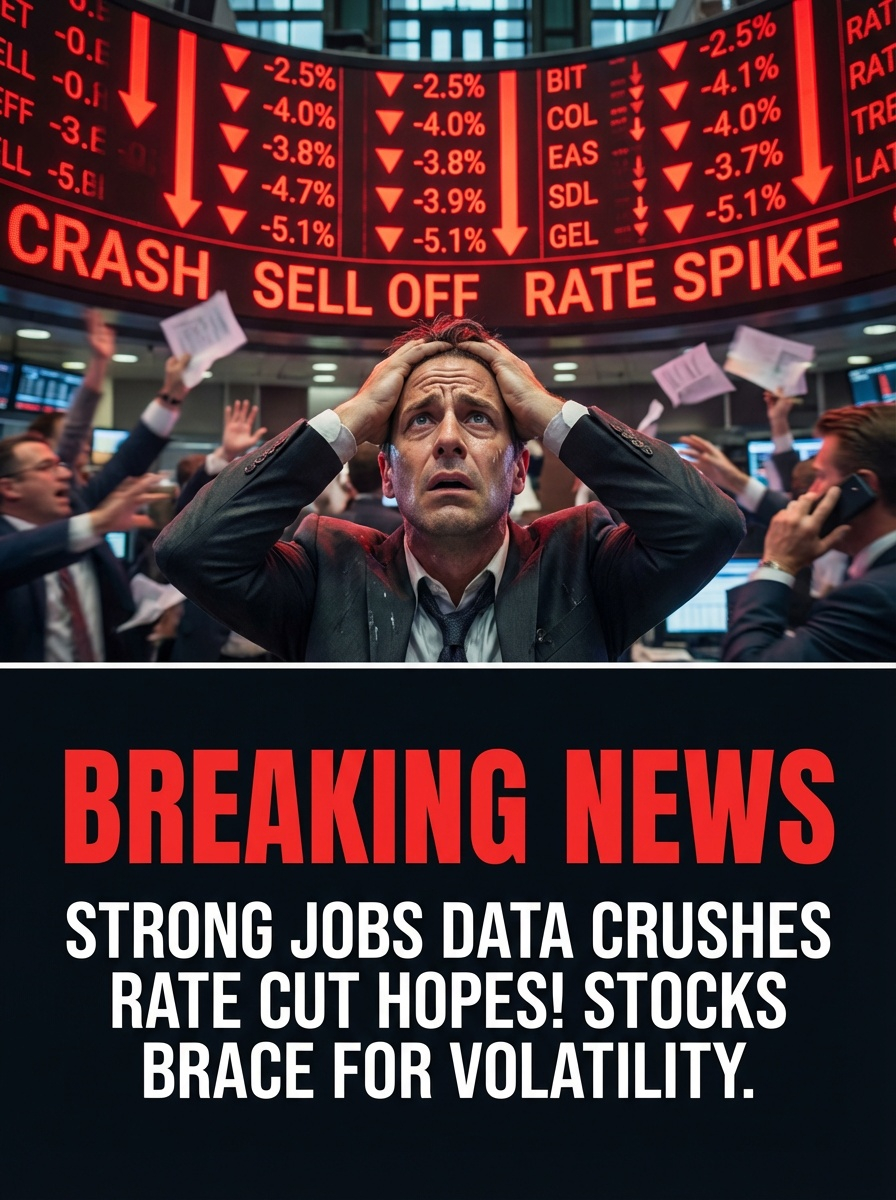
NEW YORK — Financial markets on Wall Street turned volatile following the release of a stronger-than-expected U.S. employment report, as investors recalibrated expectations for interest rates and monetary policy in the months ahead.
Data from the U.S. Bureau of Labor Statistics showed employers added 130,000 jobs in January, comfortably exceeding economists’ forecasts and signaling continued labor-market resilience entering 2026. The unemployment rate also edged lower, reinforcing the view that the economy remains on relatively solid footing.

Yet the robust hiring figures produced a paradoxical market reaction. Major U.S. stock indexes fluctuated throughout the trading session, with the S&P 500 finishing nearly flat while the Dow Jones Industrial Average and Nasdaq Composite posted modest declines. Analysts said the turbulence reflected shifting expectations around Federal Reserve policy rather than concern about economic weakness.
A resilient labor market reduces the urgency for the Fed to begin cutting interest rates, a prospect that has been a key driver of equity gains over the past year. Following the report, traders scaled back bets on near-term monetary easing, pushing Treasury yields higher and tightening financial conditions. Higher yields typically weigh on growth stocks and other rate-sensitive sectors by increasing borrowing costs and discount rates on future earnings.
The repricing extended beyond equities. Precious metals declined as the U.S. dollar strengthened, while cryptocurrencies also faced pressure amid reduced expectations for looser policy.
Market strategists say the reaction underscores a broader tension confronting investors in 2026: strong economic data supports corporate profits but simultaneously delays the policy easing that has fueled asset valuations. Some analysts described the environment as a “good news is bad news” cycle, where positive macroeconomic surprises spark fears of prolonged high rates.
Despite the near-term volatility, economists caution against drawing sweeping conclusions from a single jobs report. Future inflation readings and wage data will play a decisive role in shaping the Fed’s path.
For now, Wall Street remains caught between optimism about economic strength and anxiety over how long restrictive monetary policy may endure.