IS THE GOVERNMENT TRACKING YOU? REAL ID SCANDAL EXPLODES!
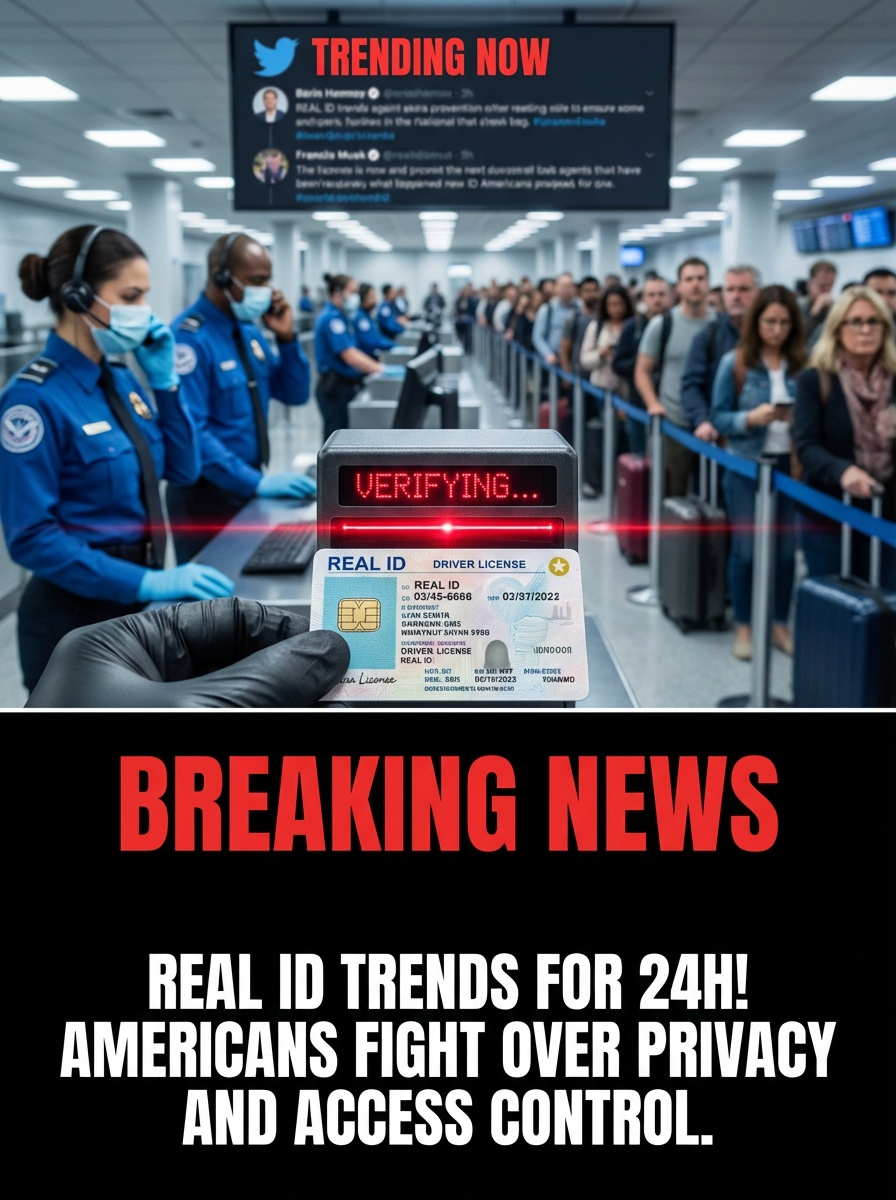
WASHINGTON, D.C. — A renewed wave of online debate over the United States’ REAL ID program has surged across social media platforms, fueled by new enforcement measures, travel requirements, and privacy concerns tied to the long-delayed federal identification system.
The REAL ID Act, originally passed by Congress in 2005 following recommendations from the 9/11 Commission, established stricter national standards for state-issued driver’s licenses and identification cards. The policy aims to enhance identity verification for domestic air travel and access to certain federal facilities. Full enforcement took effect in May 2025 after years of postponements.
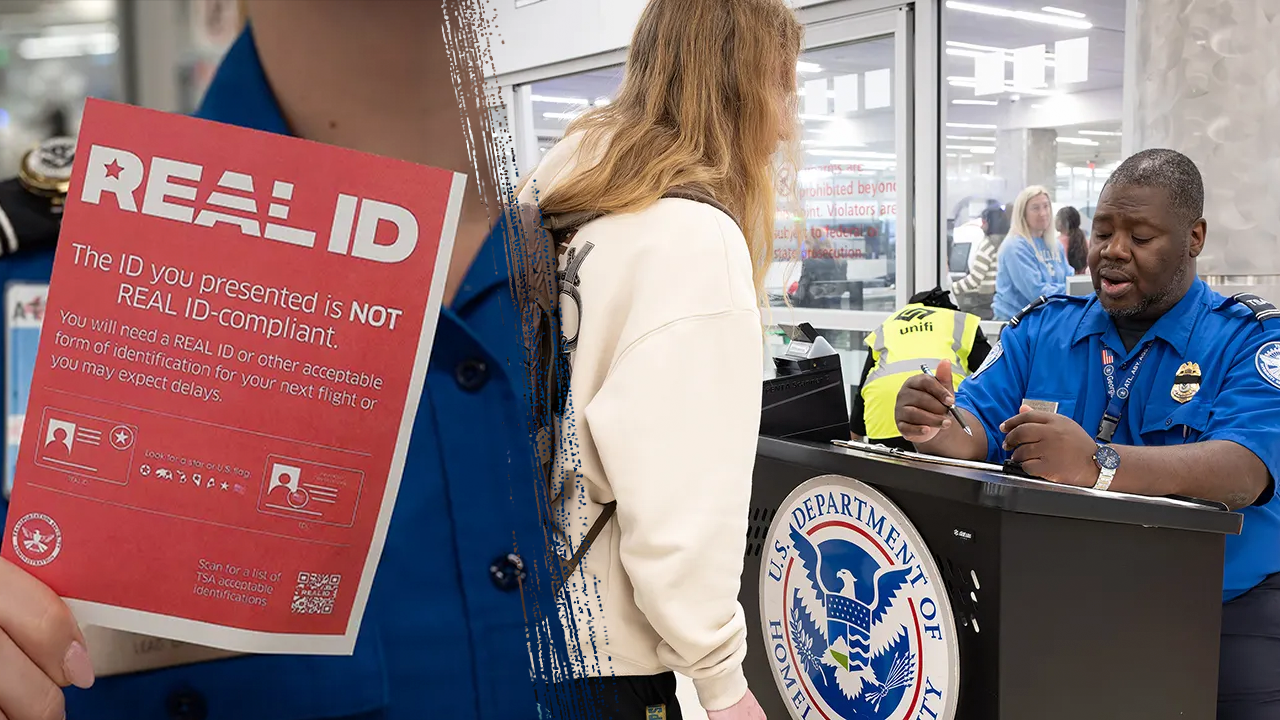
Under the rules, U.S. travelers aged 18 and older must present a REAL ID-compliant license—typically marked with a star—or another federally accepted form of identification, such as a passport or military ID, to board domestic flights or enter secure federal buildings.
Public attention has intensified in 2026 following the launch of a new Transportation Security Administration (TSA) backup verification system known as ConfirmID. Introduced on February 1, the program allows passengers without compliant identification to undergo additional screening and identity checks for a $45 fee. The verification, valid for a limited period, does not guarantee clearance and may involve longer wait times at airport checkpoints.
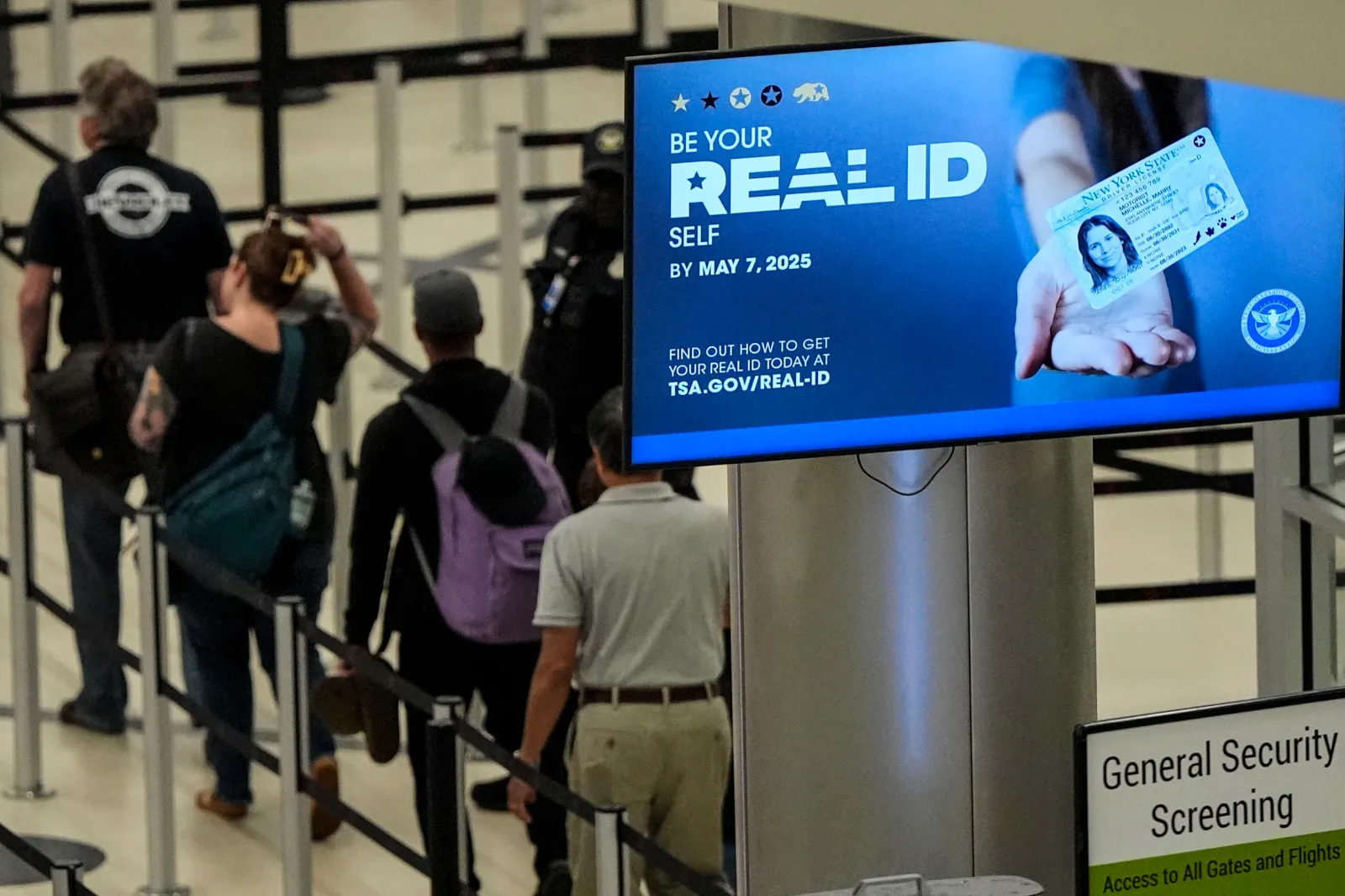
Federal officials say the measure is designed to encourage compliance while ensuring security costs are not borne by taxpayers. Transportation authorities estimate a small percentage of travelers still lack compliant identification, prompting expanded public-awareness campaigns.
Despite its security rationale, the program has sparked heated political and online discourse. Civil liberties advocates warn that standardized identification systems could expand government data collection or enable future surveillance frameworks. Security experts and federal agencies, however, counter that REAL ID does not create a national database but instead sets minimum verification standards for IDs issued by individual states.
As implementation deepens, the debate reflects broader tensions between national security priorities and privacy protections. With travel enforcement now firmly in place and new verification systems rolling out, REAL ID remains both a logistical reality for travelers—and a flashpoint in America’s ongoing civil liberties conversation.