A City at a Crossroads: Crime, Leadership, and London’s Mayoral Battle
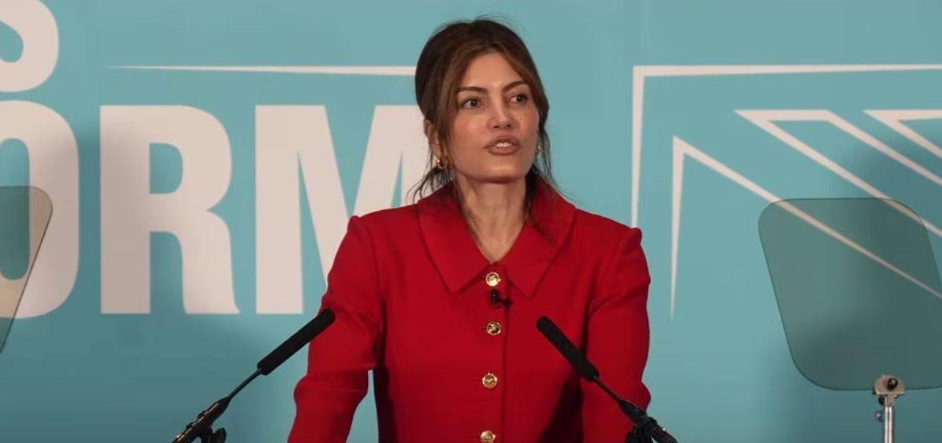
London’s mayoral race is alive with intensity as debate over crime has erupted into a defining political clash. What might once have been a routine exchange of campaign promises has evolved into a deeply emotional contest about safety, leadership, and the city’s future. With knife crime statistics, policing strategies, and public confidence all under scrutiny, the conversation has grown sharper by the day. Londoners now find themselves watching not just a political campaign, but a struggle over how their city’s story is told.
Sadiq Khan has responded forcefully to criticism from Conservative and Reform UK opponents, accusing them of distorting the narrative around crime for political advantage. He argues that selective use of data and alarmist rhetoric risk deepening divisions rather than offering constructive solutions. Defending his record, Khan highlights investments in community policing, youth services, and prevention programs aimed at addressing the roots of violence. According to him, building safer streets requires long-term commitment, cooperation, and unity — not fear-driven messaging.
On the opposing side, Reform UK’s candidate Laila Cunningham has stepped forward with urgency, placing knife crime and public safety at the center of her campaign. She speaks of residents who feel anxious on public transport, parents worried about their children’s safety, and communities shaken by violent incidents. Cunningham has pressed City Hall for clearer accountability and stronger immediate action, arguing that leadership must confront hard realities directly. Her message resonates with voters who believe current strategies have not delivered sufficient results.
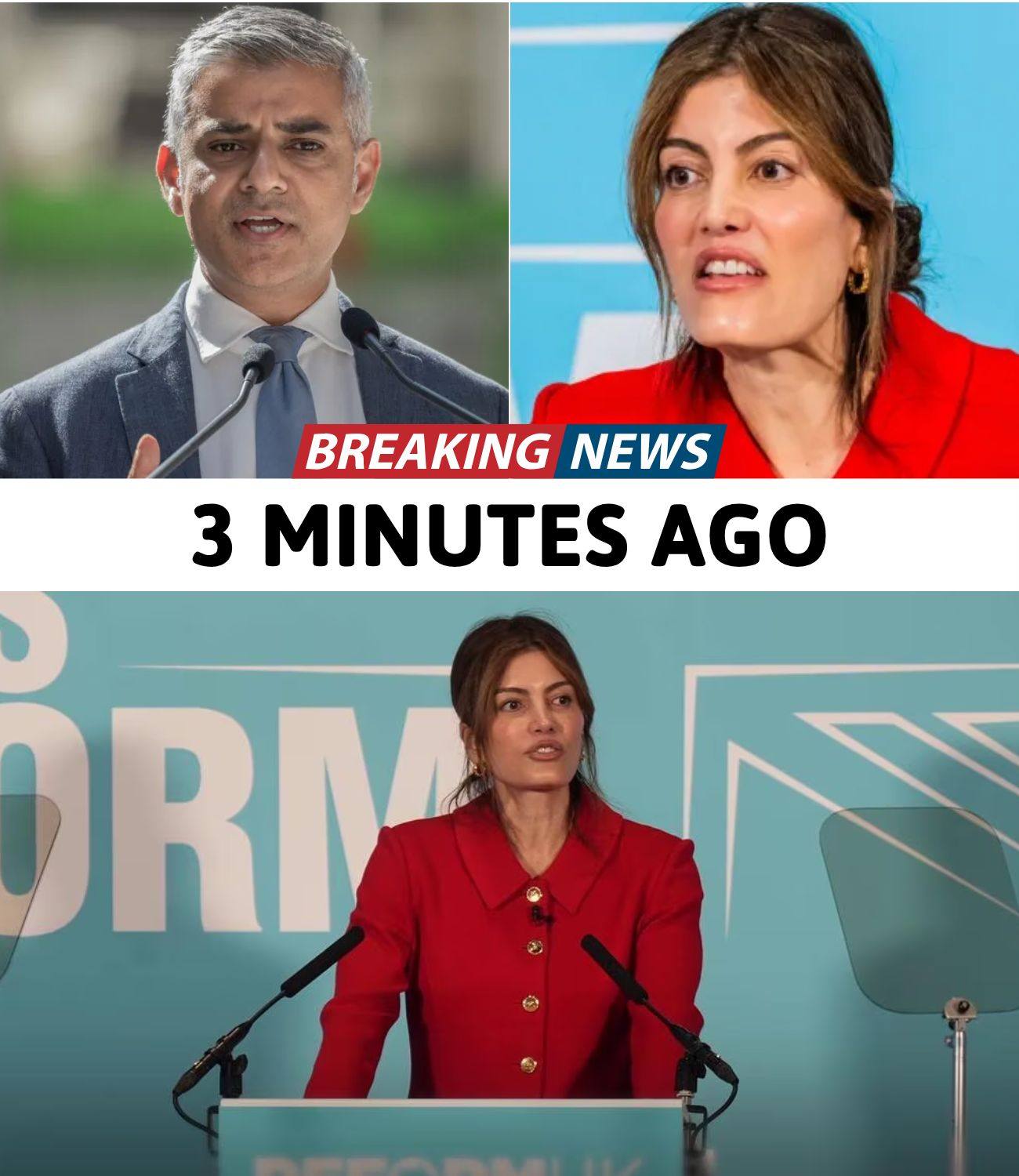
The clash between these perspectives reflects a broader tension in urban politics. Crime statistics can tell different stories depending on how they are framed — whether highlighting long-term trends, recent spikes, or comparisons with other cities. Behind the numbers are real experiences: victims of violence, overworked police officers, and neighborhoods striving for stability. The debate, therefore, is not only about policy but also about perception, trust, and the emotional climate of the city.
As accusations fly and defenses grow more passionate, London appears caught between competing visions. One side emphasizes steady reform, social investment, and resilience; the other calls for more immediate, forceful measures to restore public confidence. Both narratives draw strength from genuine concerns among citizens. The intensity of the campaign underscores how deeply crime and safety shape daily life in a global metropolis.
With election day approaching, the stakes feel higher than ever. Voters must weigh frustration against hope, urgency against patience, and rhetoric against record. The outcome will not only determine who occupies City Hall but also signal which approach Londoners believe will best secure their future. In this moment of heightened emotion, the city stands at a crossroads — searching for leadership capable of turning debate into tangible progress on its streets.