The Heart Monitor Heist: R&B Star Robbed Mid-Concert
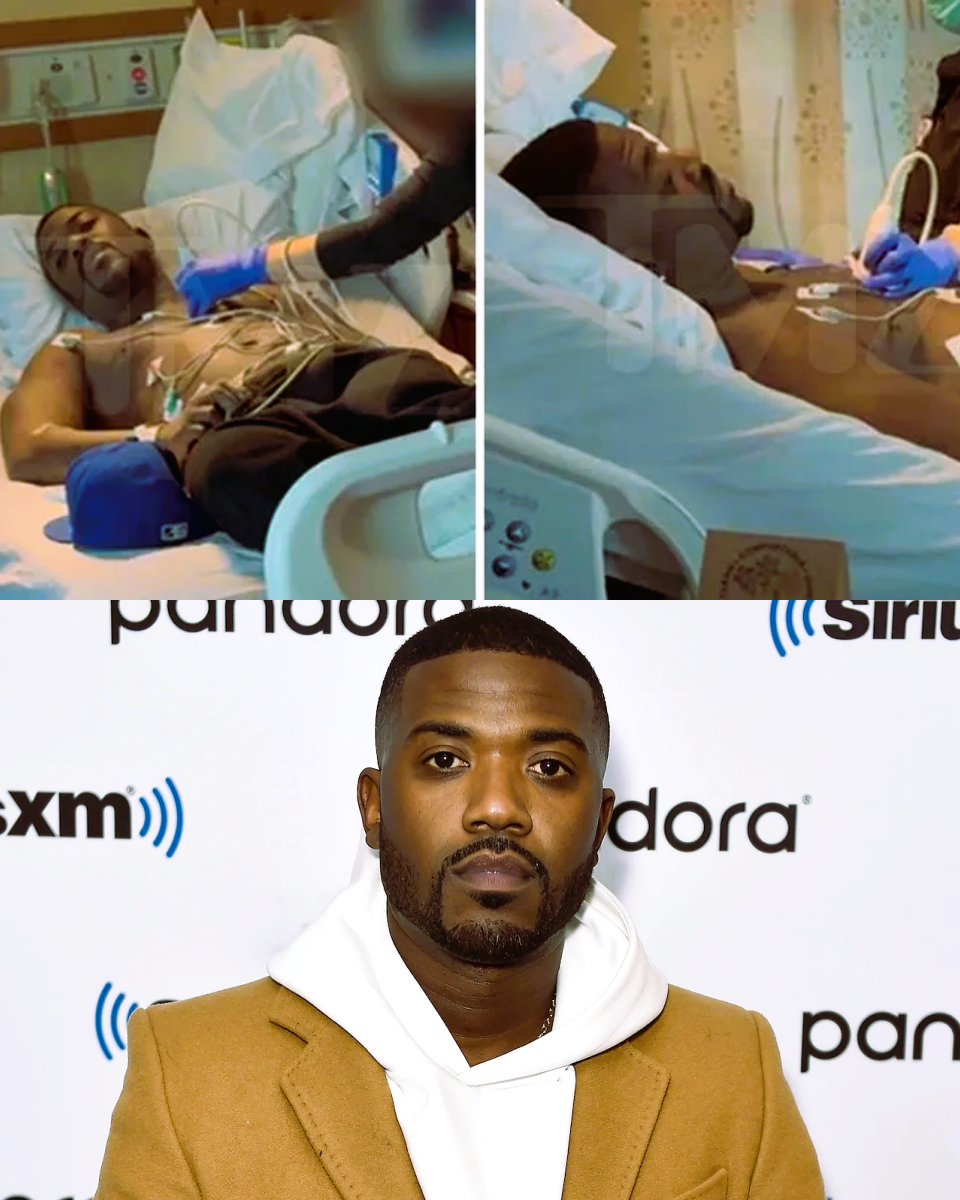
SHREVEPORT, La. — The viral “heart monitor heist” making the rounds online did happen—but not to Lucky Daye, despite what many reposts claim. Multiple entertainment outlets report the incident involved R&B singer Ray J, who says a fan snatched a heart monitor off his bare chest while he was performing in the crowd during a Valentine’s Day concert (Feb. 14, 2026) in Shreveport, Louisiana.
The clip that fueled the frenzy shows Ray J moving through the audience mid-performance, interacting with fans, when the taped device on his upper chest suddenly disappears. In follow-up reporting, Ray J told TMZ (as relayed by Yahoo and other outlets) that the monitor wasn’t a prop—he says it contained critical health data his doctors need in order to decide next steps for his treatment.
The device itself appears consistent with an ambulatory ECG monitor—the category that includes Holter monitors, event recorders, and patch-style recorders used to track heart rhythm over time. These monitors are worn during normal daily activity to capture episodes that might not show up during a brief in-office test.
Why was he wearing it on stage? The context is unsettling. In the days leading up to the show, Ray J’s health had already become a headline after he performed with what looked like blood beneath his eyes and a chest patch visible when he removed his shirt. People and Entertainment Weekly reported that the concert came amid his public claims about severe heart problems and recent hospitalization, with his team emphasizing that he has real medical concerns—even as some disputed whether certain visual elements in the performance were theatrical.
That backdrop is what makes the theft feel “seriously concerning” to fans—and medically reckless if the device truly carried ongoing monitoring data. A stolen ambulatory monitor is not like a stolen phone: it typically has little street value to anyone else, but it can represent days or weeks of recorded heart rhythm information that clinicians use to confirm arrhythmias, correlate symptoms, and refine a treatment plan.
As for what the thief plans to do with it, the answer may be depressingly simple: nothing useful. If the device is part of a clinical monitoring program, the main “value” is the data—valuable to doctors, not to strangers. Ray J has publicly urged the person to return it, framing the situation less as celebrity drama and more as a health-related emergency wrapped inside a concert-night stunt.
In the end, the most haunting detail isn’t the audacity of stealing from a performer mid-song—it’s the implication that a medical device, worn for a reason, became just another souvenir in a crowd that forgot the difference between entertainment and a heartbeat.