The $16.5 Million Card: Logan Paul’s Record-Breaking Pokemon Gamble
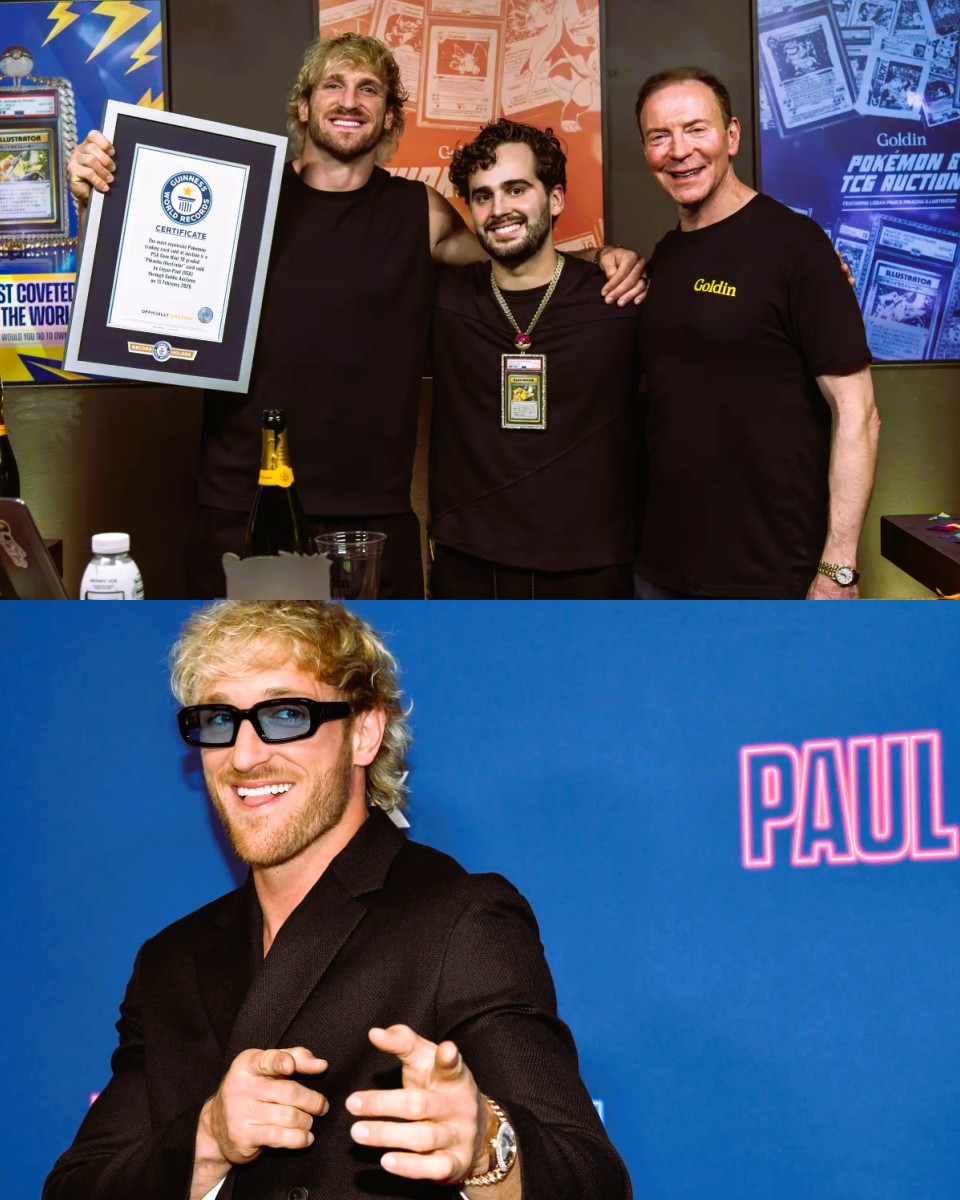
NEW YORK — Logan Paul has pushed the collectibles world into a new reality — again. The YouTuber-turned-WWE star has sold his ultra-rare Pikachu Illustrator Pokémon card for $16.5 million, a figure that multiple outlets report as the highest auction price ever paid for any trading card. The sale, conducted through Goldin Auctions after more than 40 days of bidding, instantly detonated debate: is this a historic, savvy play in a surging alternative-asset market — or a perfectly packaged hype machine with a price tag designed to stun?
The card itself is not just “rare.” It’s widely regarded as the holy grail of Pokémon collecting — the Pikachu Illustrator, issued in 1998 as a prize for winners of a Japanese illustration contest. Only a small number are known to exist, and Paul’s copy has long been treated as a singular trophy because of its top-tier grading and the spectacle he built around it.
Paul originally obtained the card in a deal valued at $5.275 million, a milestone that Guinness World Records recognized at the time as a record-breaking Pokémon card transaction. He later turned the item into a wearable headline: the card was placed in a diamond-studded case/necklace and famously appeared on major wrestling stages, transforming a slabbed trading card into a pop-culture prop — and, critics say, a marketing engine.
So why $16.5 million now? The bullish argument is straightforward: scarcity + brand amplification + a global collector base. In that view, Paul didn’t just own a card — he owned a story that millions could recognize in an instant, which can add perceived value in a market where provenance and attention often matter as much as cardboard and ink. And the result was staggering: a sale price that dwarfs what most people would spend on a luxury home, let alone a single collectible.
But the backlash arrived just as fast. Some collectors and commentators have questioned whether the headline number reflects pure market demand or the gravitational pull of celebrity, branding, and incentive structures that reward “record” narratives. Polygon reported that the sale has already drawn scrutiny and controversy online, reflecting a broader tension in modern collecting: when an item becomes a content event, the line between organic value and engineered spectacle can feel dangerously thin.
Goldin and mainstream outlets reporting the results describe the outcome as a confirmed record. Still, the bigger story may be what this sale signals: trading cards are no longer a niche hobby. They’re an arena where status, finance, fandom, and internet theater collide — and where one influencer can turn a single Pikachu into a $16.5 million headline.