The Mystery of the Gray Clay
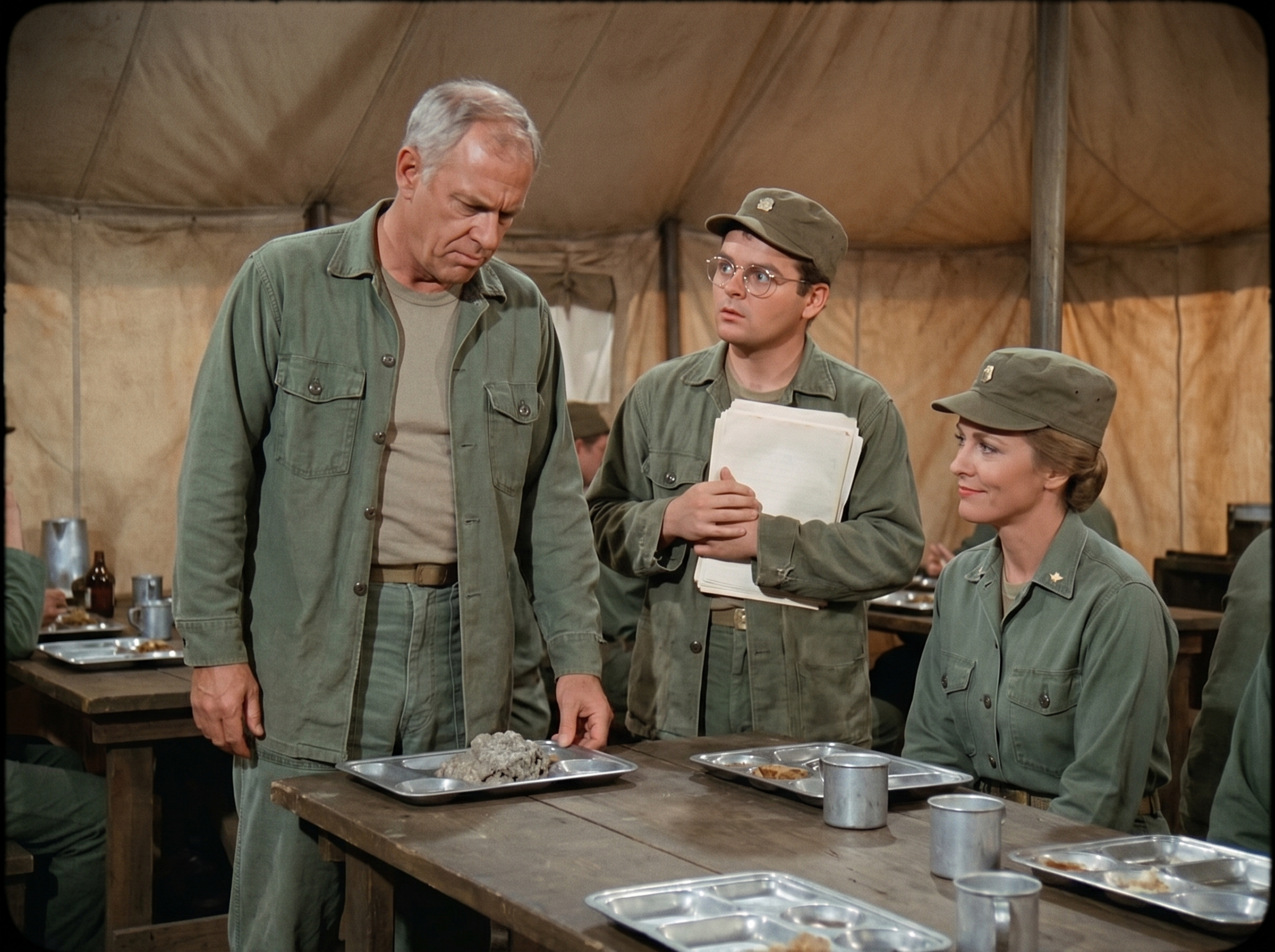
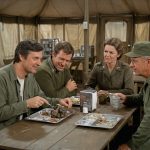
The mess tent was an ocean of khaki, filled with the collective fatigue that always followed a particularly heavy incoming casualty list. It was lunchtime, but the mood was heavier than the metal trays sliding along the serving line.
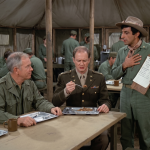
At one end, Colonel Potter stared down with a mixture of confusion and profound suspicion at his tray. Where the Salisbury steak usually sat, or at least the mysterious, spongy item *labeled* Salisbury steak, was a smooth, colorless, and distinctly inedible-looking clump of grayish matter.
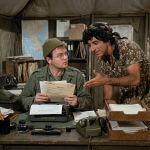
Radar, as always, appeared beside him almost magically. He was clutching a stack of papers with both hands, using them like a shield, his eyes wide behind his spectacles. He was the picture of innocent anxiety, which usually meant something was terribly wrong.
Major Houlihan was already seated, looking crisp even in her fatigues. She was normally one of the more stoic officers at the table, maintaining her dignity through even the muddiest operating shifts. But even Margaret had to pause, turning in her seat to witness the baffling spectacle on the Colonel’s tray.
A quiet hush fell over the surrounding tables. The mystery of the grey item was more compelling than the latest rumors from Seoul. Radar leaned in, looking from the tray to the Colonel with frantic anticipation, but Potter was silent. His brow was furrowed, the gears turning in his wise, weathered head.
Finally, Potter broke the silence. “Is this a specimen, Radar?” he asked, his voice low, “Or am I expected to ingest it?”
Radar stammered, shifting the papers from one hand to the other. “Sir, you see… that is… I mean, Klinger and Father Mulcahy, they… well…” He looked like he wanted to dissolve into the canvas walls.
“Klinger and Father Mulcahy?” Margaret asked, raising an eyebrow.
Radar nodded. “It’s clay, Sir. Modeling clay. For the orphans. Father Mulcahy said they needed more supplies for arts and crafts. Something creative, to help them cope. But the PX was all out. So Klinger…” Radar’s eyes went even wider. “…Klinger made some. Out of flour, salt, water… and apparently, some very old food coloring he found.”
Hawkeye, sitting a few tables down, couldn’t resist a dry comment, which barely carried over the rising chatter. “Klinger’s grey period, huh? I hear it’s a profound statement on the futility of war.”
BJ, next to him, shook his head with a grin. “Or a testament to the versatility of kitchen staples.”
“What is that doing on MY tray, Radar?” Potter pressed, though the edge was gone from his voice.
“Well, you see, I was bringing you some forms to sign, and Klinger was delivering the clay to the Father, and…” Radar gulped. “…and I think we had a bit of a collision. I must have mixed up his bucket with… your steak.”
Potter looked at the clay again, then at Radar’s earnest, terrifyingly worried face. Slowly, the stern lines of his face softened. The weary wrinkles became crinkles around his eyes, and a small smile touched his lips.
“So the orphans got the Salisbury steak, and I got the clay?”
“I think so, Sir,” Radar whispered. “I’m so sorry, Colonel. I’ll go get you another tray right away. They might still have some of that… ‘other’ stuff left.” He started to back away.
“Wait a minute, son.” Potter raised a hand, stopping him. He looked from Radar to Margaret, who was hiding her own soft, amused expression. “If those kids got the Salisbury steak, they probably had the best meal of their lives.” He chuckled. “Maybe they’ll make better use of it than I would have.”
He looked at the grey clay. “At least this stuff has a predictable consistency.” He picked up a fork and jokingly prodded it. “But don’t think I’ll be developing an appetite for arts and crafts, Radar.”
Margaret’s face held a genuine tenderness. “At least the orphans have something to do, Colonel. Thanks to… well, thanks to all of you.”
Potter’s eyes met hers. “That they do, Major. That they do.”
He stood up, taking his tray. “Come on, Radar. We need to go apologize to the orphans about the state of their art supplies. And then you can get me that paperwork.” He looked over to where Father Mulcahy was sitting, quietly watching the exchange with a small, grateful smile.
“And maybe,” Potter said, “we can find some other, more suitable ways to support their artistic endeavors. Ways that don’t involve my lunch.”
The tension broke completely. A warm, nostalgic laughter rippled through the mess tent, a small island of peace in the storm. Even the greyest of days felt brighter with moments like this. The family of the 4077th found its own way, clay and all, to paint over the war.
Sometimes the mess was exactly what you needed.