⚖️ Ethics on the Line: Nurse Anesthetist Fired After Viral Posts Targeting ICE Agents
- SaoMai
- February 19, 2026
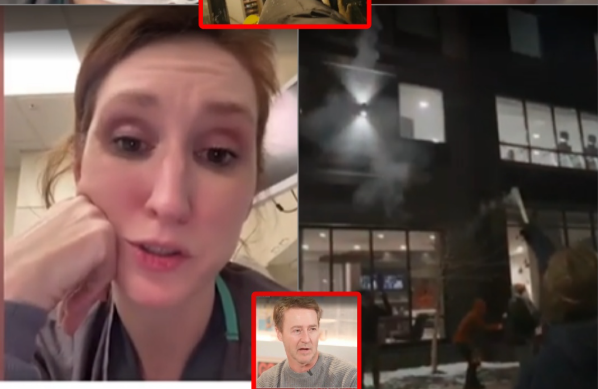
A healthcare controversy erupted after Malinda Cook, a nurse anesthetist formerly employed at Virginia Commonwealth University Health, was terminated following a series of inflammatory social media posts. In videos shared on TikTok, Cook allegedly made comments suggesting the use of medical knowledge and pharmaceutical substances to harm or incapacitate Immigration and Customs Enforcement (ICE) agents. The clips quickly circulated online, drawing widespread backlash and raising serious ethical concerns.
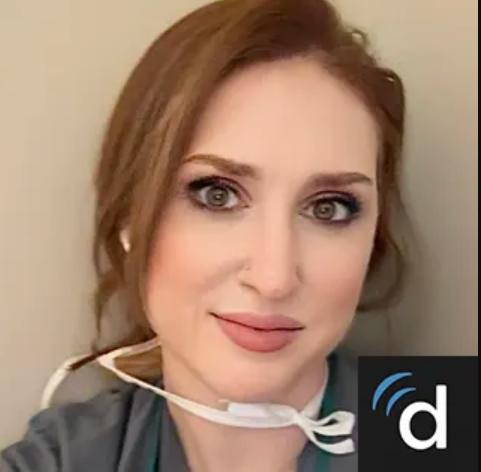 VCU Health responded swiftly, announcing her dismissal and issuing a public statement condemning the remarks. The institution emphasized that the views expressed did not reflect its values and reaffirmed its commitment to patient safety, professionalism, and ethical medical practice. Healthcare systems, bound by strict codes of conduct, often hold employees to standards that extend beyond clinical settings — particularly when public trust is at stake.
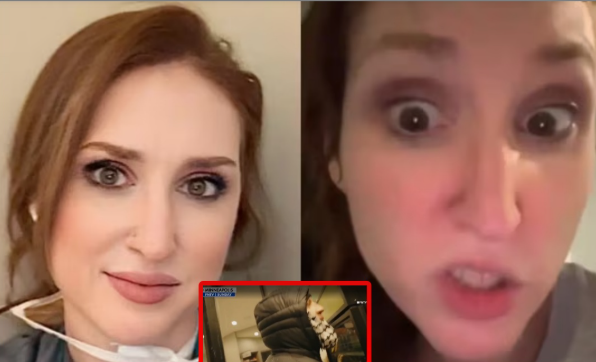 The incident has reignited debate about the responsibilities of medical professionals in the digital age. Physicians, nurses, and allied health workers operate under ethical frameworks that prioritize nonmaleficence — the principle of “do no harm.” Even statements made outside hospital walls can carry weight when they imply misuse of medical expertise. Professional licensing boards and employers alike may evaluate whether such comments undermine public confidence in the integrity of healthcare providers.
 Legal analysts note that while freedom of speech protects personal expression, employers retain authority to act when speech conflicts with workplace policies or ethical obligations. In highly regulated professions like medicine, the consequences can be swift and career-altering.
Beyond the immediate termination, the controversy serves as a cautionary tale. Social media amplifies voices instantly and permanently, blurring the boundary between private opinion and professional identity. For healthcare workers entrusted with life-and-death responsibilities, public statements suggesting harm — even hypothetically — can erode the trust that underpins the entire system.
As the conversation continues, the case stands as a stark reminder: in healthcare, ethics do not clock out — and neither does accountability.