Gabriel Fernandez: A Tragedy That Exposed Deep Cracks in the System 💔
- SaoMai
- February 19, 2026
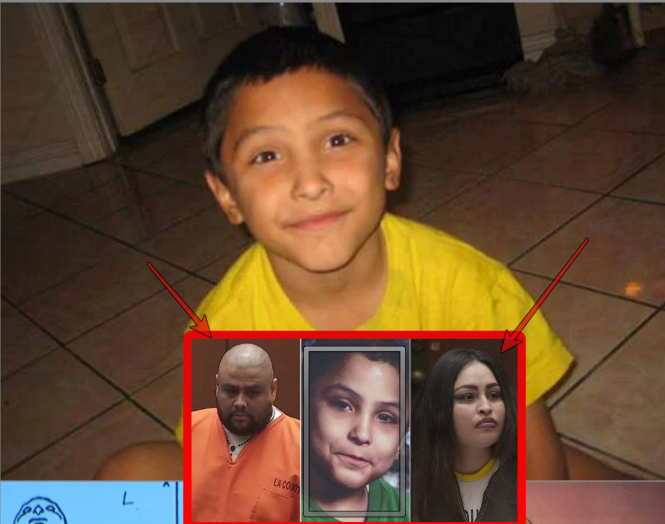
The death of Gabriel Fernandez in 2013 remains one of the most devastating child abuse cases in recent U.S. history — not only because of the unimaginable cruelty he endured, but because so many warning signs were missed along the way.
Gabriel, an eight-year-old boy from Palmdale, suffered months of horrific abuse at the hands of his mother and her boyfriend. Reports later revealed repeated physical violence and prolonged suffering that no child should ever experience.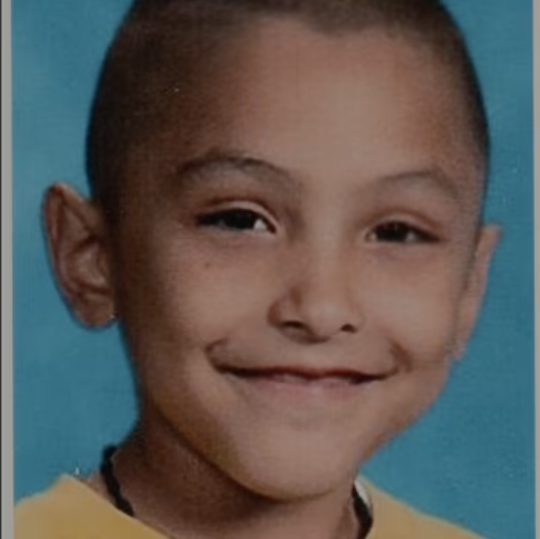 Teachers, relatives, and others had raised concerns. There were documented reports to child protective services. Yet despite multiple red flags, meaningful intervention never came in time.
When Gabriel died in May 2013, the case sent shockwaves across the nation. Prosecutors described the abuse as prolonged and deliberate. His mother was later sentenced to life imprisonment without the possibility of parole, while her boyfriend received the death penalty. But even as the criminal proceedings concluded, a painful question lingered: how could a child known to authorities slip through the cracks?
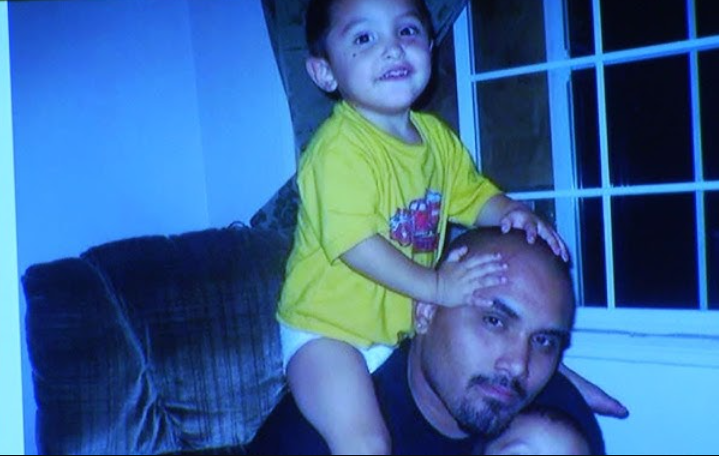 Investigations that followed examined the conduct of social workers and systemic failures within the child welfare system. The case ignited fierce public debate about accountability, workload pressures, risk assessment practices, and whether bureaucratic caution had overshadowed urgent child safety concerns. For many, Gabriel’s story became a symbol of what can happen when institutions fail to act decisively on repeated warnings.
Beyond the legal outcomes, Gabriel’s name has become a rallying cry for reform advocates pushing for stronger child protection policies, better training, clearer reporting protocols, and more robust oversight.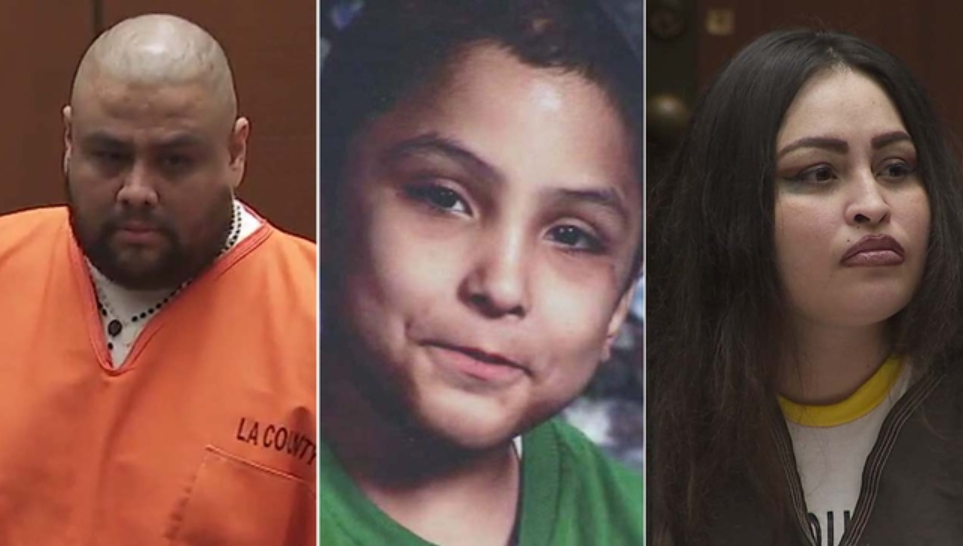 His story has been widely discussed in media and documentaries, not to sensationalize his suffering, but to confront uncomfortable truths about systemic breakdowns.
Gabriel Fernandez should have been protected. His life should have been filled with safety, care, and childhood joy. Instead, his death exposed painful weaknesses in systems designed to shield the most vulnerable.
Today, his legacy endures as a solemn reminder: when children speak — through words, behavior, or visible harm — adults and institutions must listen, investigate thoroughly, and act decisively. Because behind every report is a child who may not have another chance.