Trump Backs Election Betting Markets in Court Clash That Could Rewire U.S. Politics
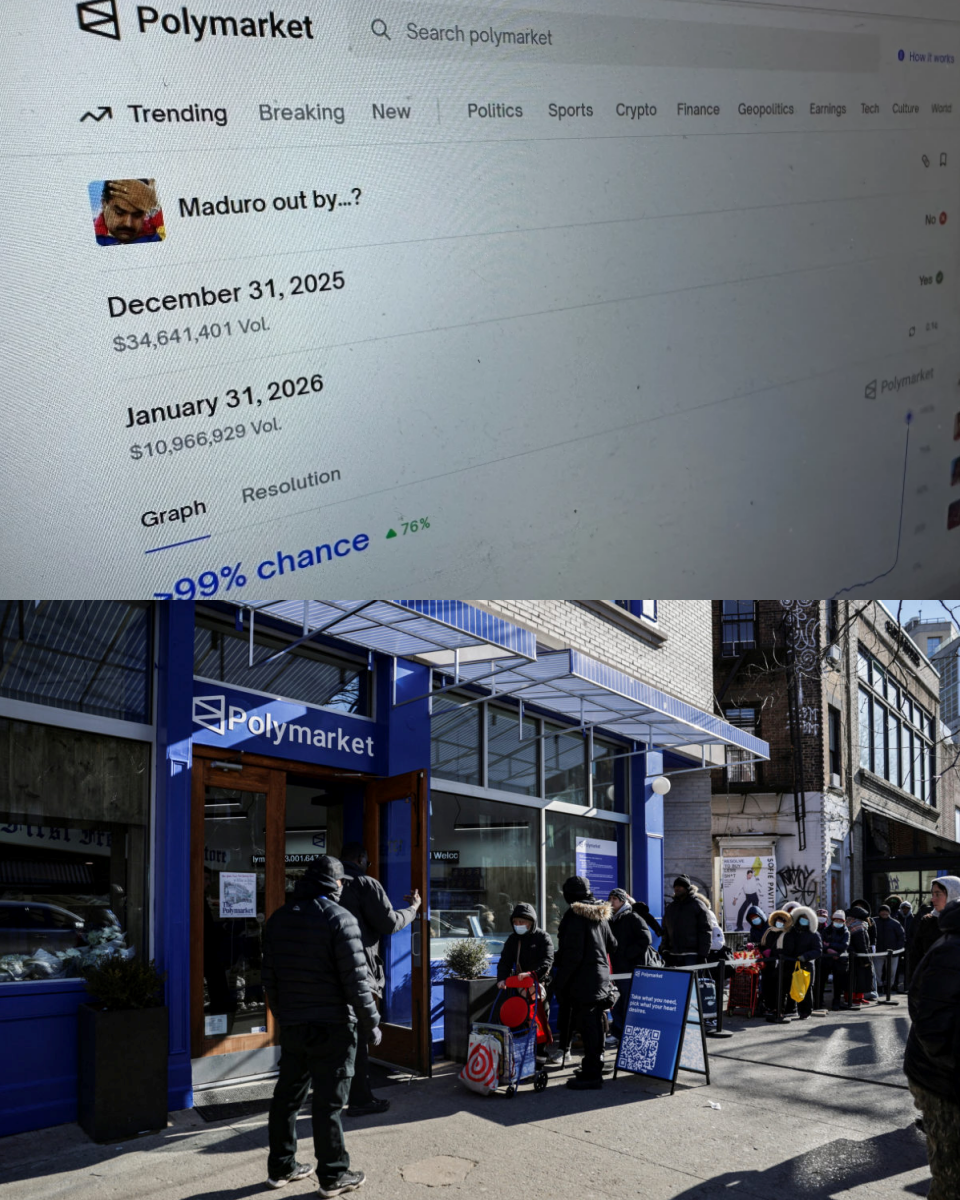
WASHINGTON — The Trump administration has formally entered a widening legal battle over election prediction markets, backing platforms Kalshi and Polymarket as states move to shut down what they describe as “illegal gambling” on U.S. politics. The federal intervention — led by the Commodity Futures Trading Commission (CFTC) — signals a high-stakes push to treat these contracts not as wagers, but as federally regulated derivatives that fall outside state gaming authority.
The conflict is exploding across courtrooms just as the 2026 midterms loom. States including Nevada have escalated enforcement, suing to block Kalshi from offering event contracts to residents and arguing the products operate like sportsbook-style betting without state licensing, age limits, or integrity controls. In Nevada’s view, the consequences aren’t theoretical: it warns of regulatory blind spots around insider participation, suspicious trading, and manipulation risks in markets tied to high-profile outcomes.
Federal regulators are striking back hard. CFTC Chair Michael Selig has argued prediction markets serve a legitimate financial purpose — aggregating information, helping participants hedge risk, and producing data that can reflect public expectations. The agency has publicly criticized “state encroachment” and is positioning the fight as a federal preemption showdown: if these are swaps and futures-style contracts, Washington says, states should not be able to ban them.
Critics warn the opposite: that allowing massive election markets could invite corruption-by-proxy — turning democratic outcomes into tradable assets and rewarding those who can shape narratives, exploit leaks, or game thinly regulated pools. Even supporters concede the stakes are enormous, because a ruling could determine whether Americans “watch” elections — or increasingly profit from them.
With courts now forced to choose between state gambling laws and federal commodities authority, the outcome could redefine political engagement in 2026 — and decide whether the next election season becomes a civic ritual… or a liquid market.