🌍⚖️ Russia–Ukraine Peace Talks Remain “Difficult” as War Enters Fourth Year
- HoaiLinh
- February 18, 2026
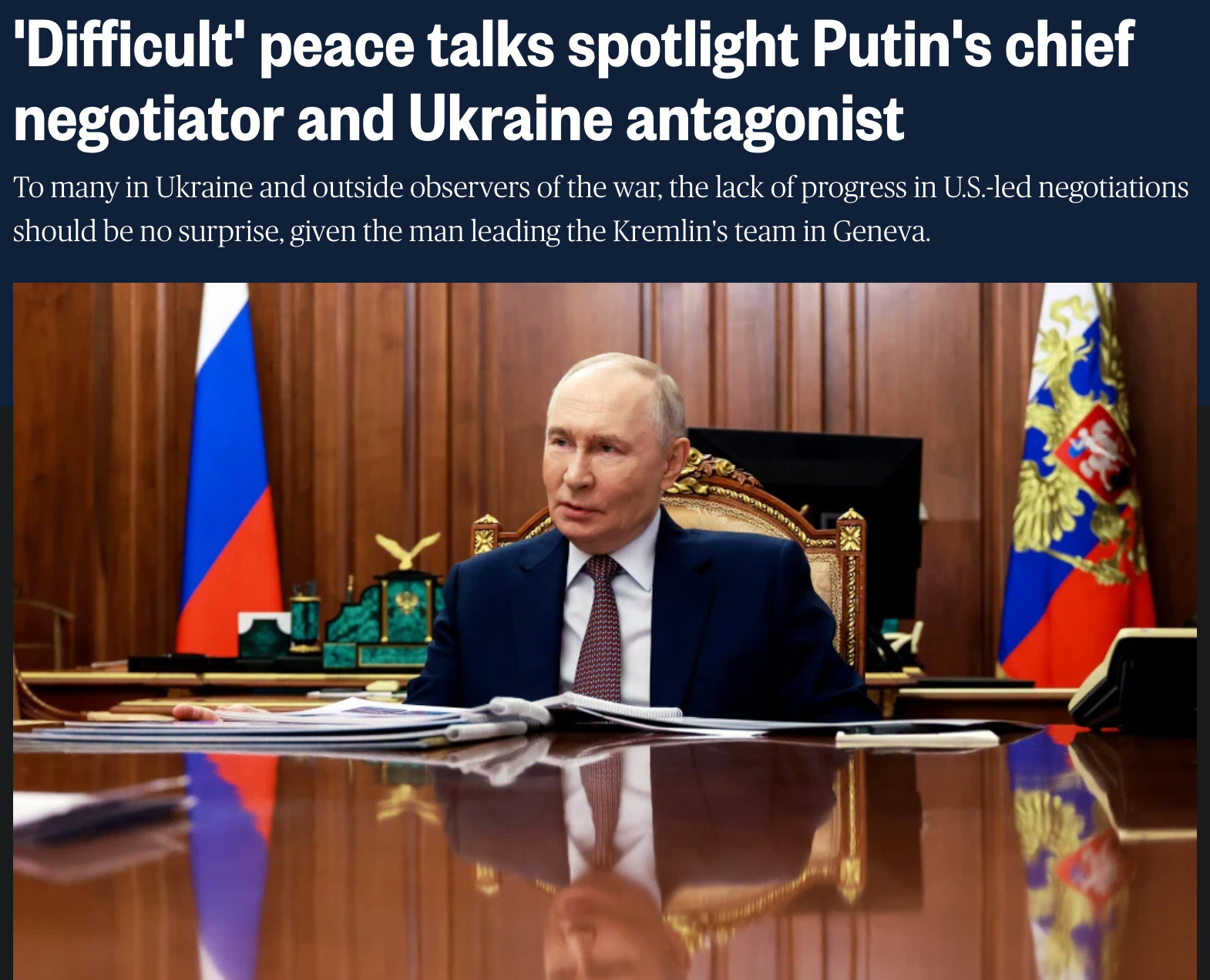
🌍⚖️ Russia–Ukraine Peace Talks Remain “Difficult” as War Enters Fourth Year
As the war approaches another somber milestone, the latest round of U.S.-led negotiations between Russia and Ukraine has once again highlighted how far apart the two sides remain. While rare moments of agreement surfaced, both delegations described the discussions as “difficult” — underscoring the deep divisions that continue to block a comprehensive peace deal. 🤝
With the fourth anniversary of Russia’s full-scale invasion looming, global attention has turned to whether diplomacy can finally gain momentum — or whether entrenched positions will prolong the conflict.
 🏛️ Blame and Political Pressure Intensify
Officials in Moscow have continued to fault Kyiv for the lack of progress. Increasingly, even Donald Trump has echoed criticism aimed at Ukraine, suggesting that Kyiv bears responsibility for stalled negotiations.
However, Ukrainian leaders strongly reject that narrative. The government in Kyiv insists that the Kremlin is deliberately slowing down talks while maintaining aggressive demands behind closed doors. According to Ukrainian officials, Moscow’s strategy appears focused on exhausting diplomatic patience rather than making meaningful concessions.
This political blame game has further complicated already fragile negotiations, adding pressure not only within the region but also among international stakeholders closely monitoring developments.
🗺️ Territory Remains the Central Sticking Point
At the heart of the impasse lies one core issue: territory in eastern Ukraine.
Russia continues to assert control over occupied regions, while Ukraine has repeatedly vowed not to surrender sovereign land. These territorial disputes remain the most sensitive and contentious aspect of any potential agreement.
President Vladimir Putin has maintained firm conditions that Kyiv and its allies describe as “hard-line” and unrealistic. His demands have raised doubts among Western diplomats about whether Moscow is genuinely pursuing peace — or simply seeking leverage.
For Ukraine, any agreement perceived as conceding territory could set a dangerous precedent and undermine national sovereignty. As a result, both sides remain entrenched, with little sign of compromise on this pivotal issue.
🇺🇳 Geneva Talks Signal Diplomatic Reset
This week’s negotiations in Geneva marked a notable shift in Russia’s diplomatic approach.
Moscow replaced its previous delegation leader with Kremlin aide Vladimir Medinsky, a seasoned negotiator who also headed Russia’s delegation during the failed Istanbul peace talks in March 2022.
The leadership change suggests the Kremlin may be recalibrating its diplomatic strategy — though analysts remain cautious about reading too much into the move.
Medinsky described the two-day discussions as “difficult but businesslike,” signaling that while tensions were evident, dialogue remained structured and professional.
🇺🇦 Zelenskyy: Talks Are Being “Dragged Out”
Ukrainian President Volodymyr Zelenskyy offered a candid assessment of the talks, accusing Russia of attempting to “drag out negotiations.” 🕰️
According to Zelenskyy, several “sensitive” issues continue to divide the delegations, particularly around territorial sovereignty and security guarantees. He acknowledged the complexity of the discussions but emphasized Ukraine’s commitment to pursuing a fair and lasting peace.
Despite the frustration, Zelenskyy confirmed that both sides agreed to continue dialogue — a development that diplomats consider cautiously positive.
🇺🇸 America’s Role in a Future Ceasefire
One area where limited progress appears to have been made involves the potential role of the United States in overseeing or monitoring a future ceasefire agreement.
Zelenskyy indicated that discussions about America’s involvement in ceasefire verification mechanisms showed some forward movement. While details remain unclear, international monitoring could become a critical component of any durable settlement. 🕊️
Security guarantees and enforcement mechanisms will likely determine whether any eventual ceasefire holds — or collapses under renewed tension.
🔎 What Comes Next?
Although both sides characterized the Geneva talks as “difficult,” the agreement to reconvene suggests that diplomatic channels remain open.
However, with:
-
Ongoing territorial disputes
-
Deep mistrust between Moscow and Kyiv
-
Hard-line demands from the Kremlin
-
Political pressure from international actors
…the path to peace remains uncertain.
As the war enters its fourth year, the world watches closely to see whether incremental diplomatic progress can evolve into a genuine breakthrough — or whether entrenched divisions will continue to stall meaningful resolution.
🕊️ Conclusion: Fragile Progress, Uncertain Peace
The latest round of Russia–Ukraine peace talks reflects a familiar pattern: cautious dialogue overshadowed by unresolved core disputes. While minor progress on military coordination and monitoring mechanisms offers a glimmer of hope, the fundamental divide over territory and sovereignty remains vast.
Whether these “difficult” negotiations ultimately lead to lasting peace will depend on political will, compromise, and sustained international engagement.
For now, diplomacy continues — but peace remains elusive. 🌍