THE MOMENT A NURSE FELL: How ICU Nurse Alex Pretti Was Killed by Federal Agents and Ignited National Outrage
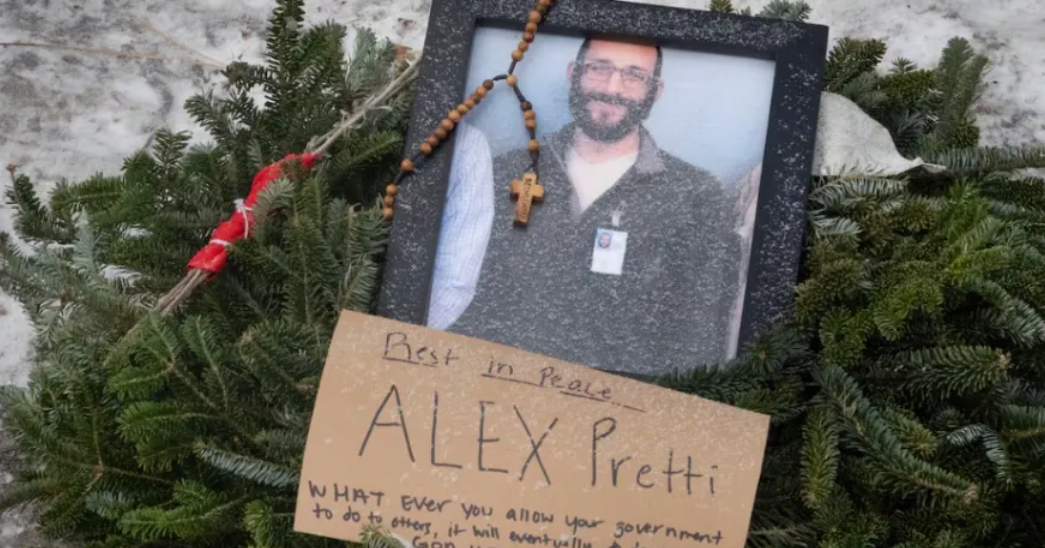
On the morning of January 24, 2026, 37-year-old Alex Jeffrey Pretti, a dedicated intensive care nurse at the Veterans Affairs hospital in Minneapolis, was shot and killed by federal immigration enforcement officers during Operation Metro Surge, the Trump administration’s intensive immigration crackdown in Minnesota. According to multiple news reports, Pretti — a U.S. citizen with no criminal record and a licensed gun owner — was observing federal agents from U.S. 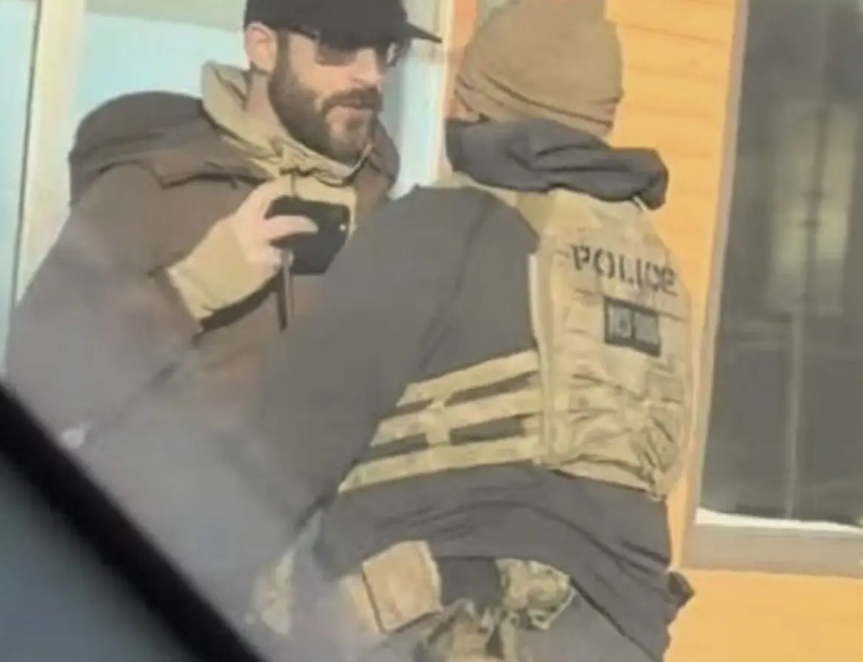 Customs and Border Protection (CBP) and Border Patrol as they conducted enforcement activity when he moved to help a woman who had been pushed to the ground by officers; video footage widely shared and documented shows him holding only his phone and attempting to assist, not threatening anyone.
 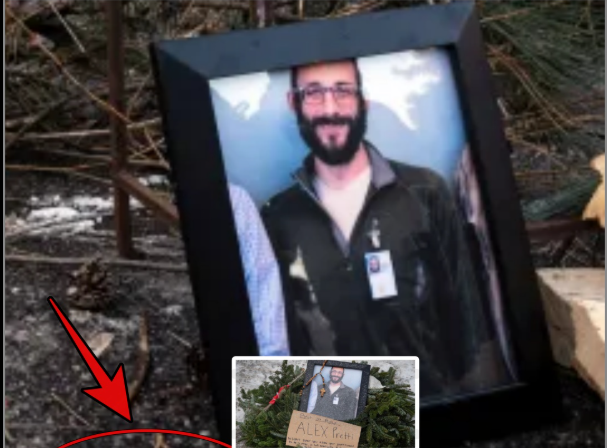 Witnesses and family members say that agents pepper-sprayed him, tackled him to the pavement, and then, after wresting away his legally-carried handgun, fired multiple rounds into his body from close range — shots that would later be classified as fatal, with the Hennepin County Medical Examiner ruling his manner of death a homicide. Federal authorities initially claimed he posed a threat, but witness testimony and publicly-released video contradict those assertions, fueling intense backlash.
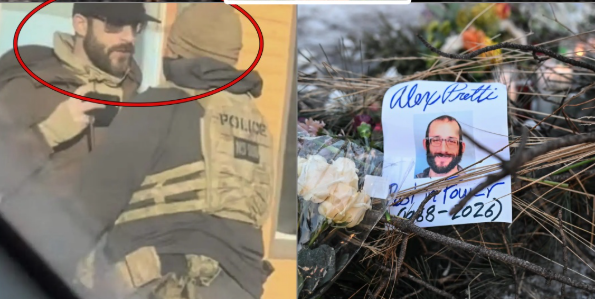 In the days that followed, Minnesota officials reported that the FBI has refused to share evidence with state investigators, blocking access to crucial files and heightening tension over transparency and accountability. Families, nurses, civil rights groups, and local leaders have condemned the killing as unjustified, and nationwide protests erupted as critics called for independent investigations into the use of force by federal agents. The clash between federal and state authorities — alongside questions about narrative control and the handling of evidence — has made Pretti’s death a flashpoint in the broader debate over immigration enforcement, law enforcement authority, and civil liberties in the United States.