MILITARY HANDOUTS OR ESSENTIAL SUPPORT? NMCRS Loan Program Reopens—and Reopens a Hard Question
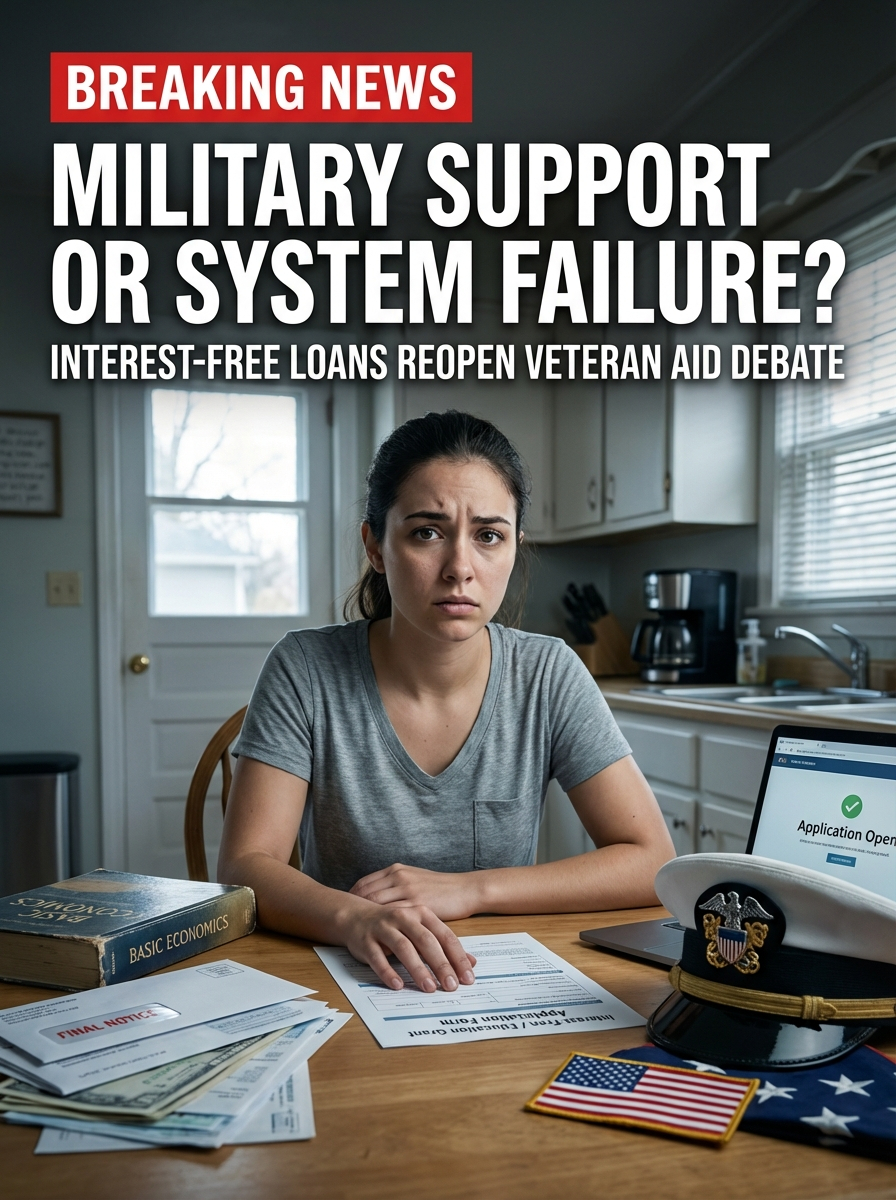
The Navy-Marine Corps Relief Society (NMCRS) has reopened applications for its 2026–2027 education assistance cycle, offering needs-based scholarships ($500–$3,000) and interest-free loans (up to $4,000) to eligible Navy and Marine Corps families. Applications opened February 16, 2026, with an April 17 deadline, according to NMCRS program materials and the Society’s application portal.
For many service members and dependents, this is practical lifeline support—not charity theater. NMCRS also provides broader emergency financial assistance, including help with rent, food, car repairs, PCS-related strain, and medical or dental costs, all typically structured as grants or interest-free aid.
But the program’s visibility has reignited a politically uncomfortable debate: why do uniformed families in the world’s largest military still need nonprofit relief for education and basic stability? Evidence from RAND and GAO has long flagged pockets of financial stress among junior enlisted households, especially families with children, including risks of food insecurity and uneven access to assistance programs. Recent major reporting also describes continued food-pantry dependence among some military families despite pay raises, linking hardship to spouse unemployment, relocation churn, inflation, and reimbursement delays.
That tension sits at the center of the current argument. Supporters say organizations like NMCRS are part of military readiness infrastructure—fast, trusted, and tailored to realities that federal systems can miss. Critics counter that relying on philanthropy to backstop essential needs masks structural pay-and-support gaps the government should solve directly.
In practice, both claims can be true: relief societies are effective at crisis response, but their necessity also signals unresolved policy design problems. As this year’s applications open, the public conversation is no longer just about who qualifies for a loan—it is about what “supporting the troops” should mean in a system where service, sacrifice, and financial precarity still coexist.