B-2 Bombers on Standby: Trump’s Final Warning to Iran
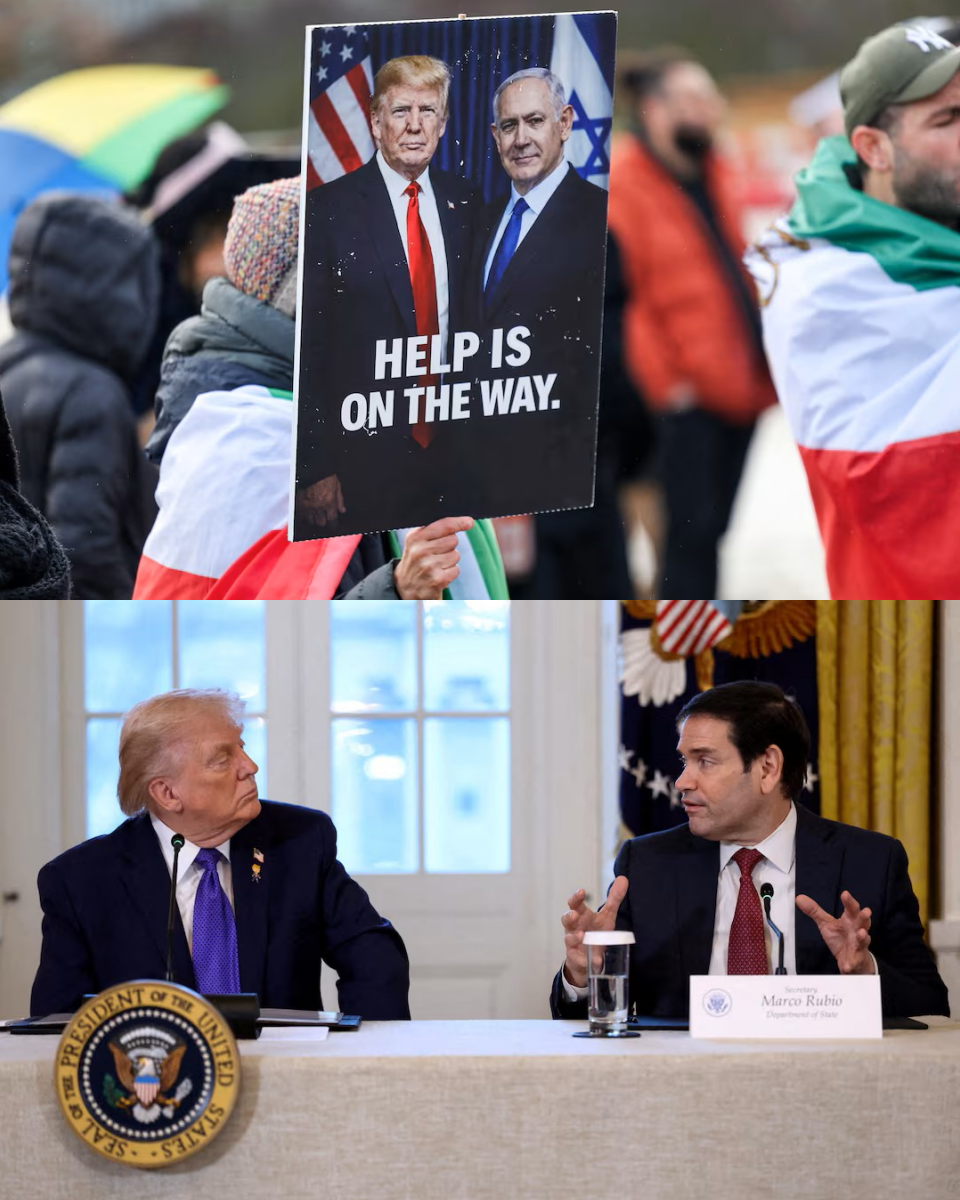
As nuclear diplomacy resumes under the shadow of force, tensions between Washington and Tehran have re-entered a perilous phase. President Donald Trump has issued what aides describe as his starkest ultimatum yet, warning Iran of “severe” or “unprecedented” consequences should it refuse to curb its nuclear ambitions — rhetoric amplified by visible U.S. military positioning across the Middle East.
At the center of the pressure campaign is the U.S. Air Force’s B-2 Spirit stealth bomber, one of the world’s most sophisticated long-range strike platforms. The aircraft’s psychological and military significance stems from its role in the June 2025 strikes on Iran’s nuclear infrastructure. In an operation involving multiple stealth assets and cruise missiles, U.S. forces targeted major facilities at Fordow, Natanz, and Isfahan using massive bunker-buster munitions designed to penetrate fortified underground sites.
Those strikes — conducted amid the broader Iran-Israel conflict — marked the first direct U.S. attack on Iranian territory in years and represented a major escalation in Washington’s effort to halt Tehran’s nuclear progress. Trump later claimed the facilities had been “obliterated,” while Iranian officials denounced the operation as a violation of international law and vowed retaliation.
Today, the bombers’ renewed strategic visibility is widely interpreted as coercive signaling rather than imminent attack. U.S. carrier deployments, regional force buildups, and long-range strike readiness are intended to strengthen Washington’s leverage as indirect nuclear negotiations unfold in Geneva.
Diplomats say the talks face deep obstacles: Iran demands sanctions relief and insists its enrichment program is peaceful, while the United States seeks stricter limits and broader concessions, including missile capabilities. Military drills by Iran — particularly in sensitive waterways like the Strait of Hormuz — further underscore how quickly diplomacy could unravel.
Whether the bomber deployments signal a countdown to conflict or a calculated bargaining tactic remains contested. Supporters frame the strategy as deterrence through overwhelming force; critics warn it risks miscalculation in an already volatile region.
For now, the B-2s remain on standby — silent, unseen, but central to a geopolitical standoff where diplomacy and destruction are separated by only the thinnest margin.