Social Media Bans for Teens: Protecting the Young or Suppressing Free Speech and Innovation?
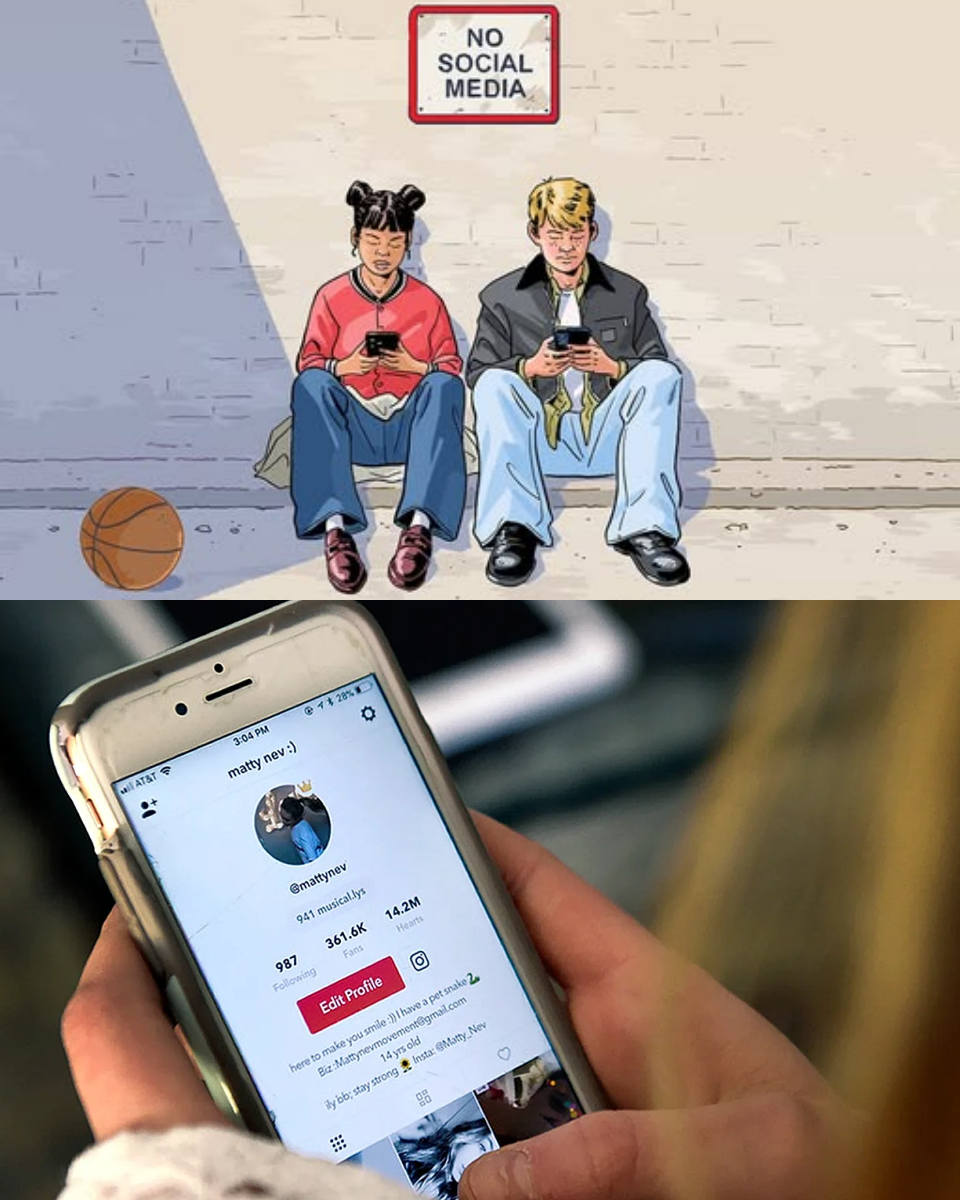
Washington — Governments worldwide are intensifying efforts to regulate teenagers’ access to social media, igniting a contentious debate over youth protection, digital rights, and the future of online innovation.
In the United States, multiple states are advancing legislation that would impose stricter age verification, parental consent requirements, and even curfews on minors’ social-media use. Lawmakers backing the proposals cite mounting evidence linking heavy platform use to anxiety, depression, sleep disruption, and cyberbullying among adolescents. The U.S. Surgeon General has also called for warning labels on social-media platforms, likening potential risks to those associated with tobacco or alcohol exposure.
Internationally, regulatory momentum is accelerating. Australia recently enacted one of the world’s toughest youth digital-access laws, banning children under 16 from holding social-media accounts — a move that has sparked both praise and legal challenges. European policymakers are exploring similar frameworks, reflecting a broader shift toward precautionary digital governance.
Supporters argue such restrictions are overdue. Child-safety advocates point to algorithm-driven content amplification, exposure to self-harm material, and addictive design features that exploit adolescent neurodevelopment. They say legal guardrails could compel platforms to redesign systems with youth well-being in mind.
Critics, however, warn of unintended consequences. Civil-liberties groups argue that outright bans may infringe on free expression and limit teens’ access to educational resources, civic discourse, and entrepreneurial opportunities online. Technology firms also caution that strict age verification could create privacy risks by requiring sensitive identity data.
Enforcement presents another challenge. Young users often circumvent restrictions through VPNs, shared accounts, or falsified birthdates, raising questions about practical effectiveness.
As policymakers weigh regulation against digital freedom, the debate reflects a deeper societal reckoning with technology’s role in childhood. Whether protective legislation will foster healthier development or inadvertently constrain the next generation’s digital fluency remains unresolved.
What is clear is that decisions made now — about access, responsibility, and corporate accountability — will shape not only teenage well-being, but the architecture of the global internet for decades to come.