Lake Winnipeg’s Toxic Algae: Natural Phenomenon or Environmental Catastrophe Fueled by Human Neglect?
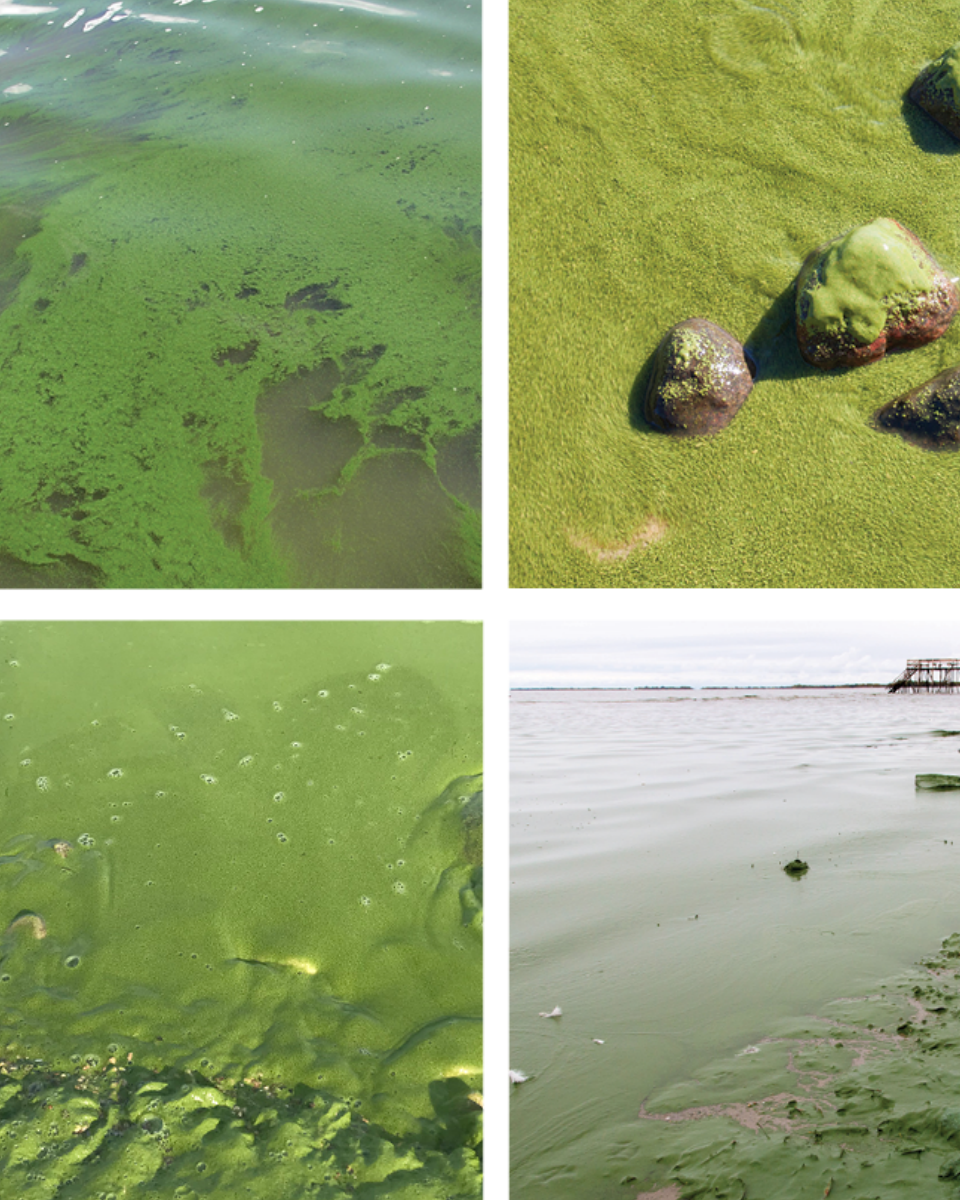
Winnipeg, Manitoba — Viral scientific reports and satellite imagery showing vast green swaths across Lake Winnipeg have reignited concern over the ecological health of Canada’s sixth-largest freshwater lake. Once prized for its fisheries, tourism, and cultural importance, the lake is now frequently cited as one of the most algae-affected large lakes in the world — prompting urgent debate over whether the blooms are natural cycles or symptoms of human-driven environmental decline.
Researchers say harmful algal blooms — particularly toxin-producing cyanobacteria — have grown more frequent and severe since the 1990s. While algae occur naturally in freshwater ecosystems, scientists emphasize that explosive growth is typically triggered by eutrophication, a process fueled by excess nutrients, especially phosphorus and nitrogen.
Much of that nutrient load is linked to human activity across the vast Lake Winnipeg Basin. Agricultural runoff, livestock operations, fertilizer use, and municipal wastewater discharge all carry phosphorus into tributary rivers that feed the lake. Cropland fertilizers alone represent one of the largest phosphorus sources, transported downstream during heavy rains and seasonal flooding. Untreated or undertreated sewage has also been identified as a contributor to nutrient pollution.
The ecological consequences are significant. Dense blooms reduce water clarity, degrade beaches, and release cyanotoxins harmful to humans, pets, and wildlife. When algae die and decompose, they deplete oxygen levels, threatening fish populations and disrupting aquatic food webs. In extreme years, blooms have covered vast portions of the lake’s surface, visible even from space.
Climate change is compounding the crisis. Warmer water temperatures and heavier precipitation increase nutrient runoff while creating ideal conditions for cyanobacteria growth. Scientists warn that rising temperatures could further accelerate bloom frequency and duration in coming decades.
Still, experts caution against framing the phenomenon as purely human-made. Harmful algal blooms have occurred historically under natural conditions when nutrient and climate dynamics align. The current scale, however, suggests human influence has intensified what might otherwise be cyclical ecological events.
For policymakers, Lake Winnipeg has become both warning and test case. Efforts to curb fertilizer runoff, upgrade wastewater treatment, and restore wetlands are underway, but progress remains uneven.
Whether viewed as a natural fluctuation or environmental emergency, the algae crisis underscores a broader reality: freshwater systems worldwide are increasingly shaped by the intersection of climate change and human land use. The future of Lake Winnipeg may hinge on how quickly that balance can be restored.