Canada’s Olympic Shame: Gold Medal Drought Exposes Deeper Athletic Crisis — Is the Maple Leaf Fading?
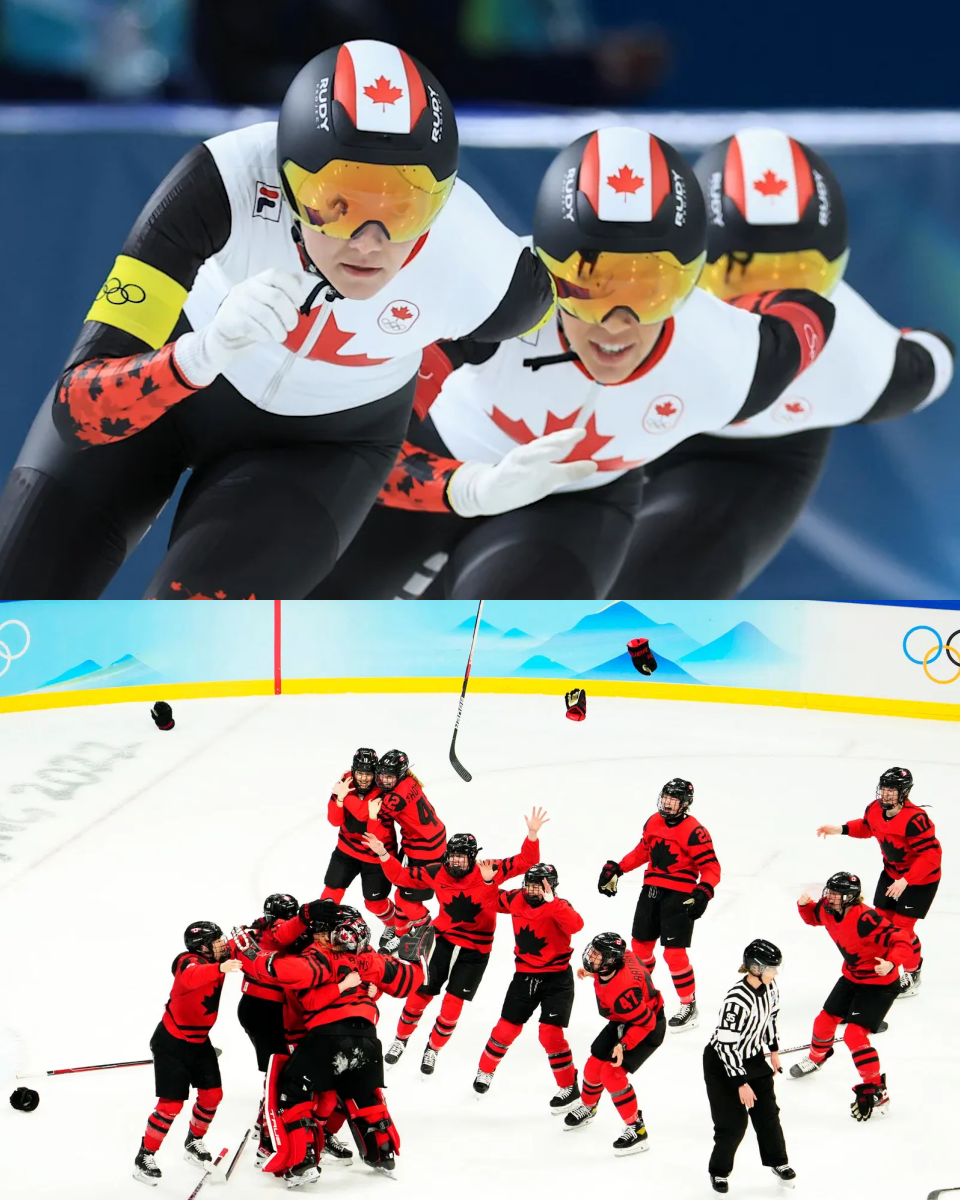
Milan–Cortina — Eight days into the 2026 Winter Olympics, Canada — long considered one of the world’s premier winter-sports nations — found itself in an unfamiliar and uncomfortable position: without a single gold medal. The early drought triggered a wave of national introspection, with athletes, analysts, and policymakers questioning whether the slow start was a temporary stumble or evidence of deeper structural decline.
By the midpoint of the first week, Canada had secured eight medals — three silver and five bronze — yet remained shut out atop the podium. The absence was historically striking. Canada had not gone that long without a gold at a Winter Games since 1988, intensifying media scrutiny and public debate.
The frustration was magnified by how close Canadian athletes came to victory. Freestyle skiing icon Mikaël Kingsbury narrowly missed gold in moguls after a tiebreak decision, settling for silver despite matching the top score. Snowboard cross racer Éliot Grondin also finished second by a razor-thin margin, reinforcing the narrative of near-miss heartbreak.
Critics quickly turned attention to systemic factors. Funding concerns resurfaced, with reports that federal investment in high-performance sport had stagnated, forcing some athletes to shoulder greater personal costs or seek secondary employment. Others pointed to evolving global competition: nations once peripheral in winter sports have expanded development pipelines, eroding Canada’s traditional advantage.
Still, Olympic cycles often hinge on timing and depth. Canada entered Milan-Cortina with more than 200 athletes across 14 sports, maintaining one of the Games’ largest delegations. And the drought ultimately proved temporary. On Day 9, Kingsbury captured gold in dual moguls, delivering Canada’s first title of the Games and easing mounting pressure.
The episode nonetheless rekindled broader questions about sustainability. Canada’s golden era — highlighted by record-setting performances at Vancouver 2010 — was built on targeted investment and national programs such as “Own the Podium.” Whether similar strategic renewal is now required remains an open debate.
For a country where winter sport is woven into national identity, the early medal drought resonated far beyond the scoreboard. It served as both warning and motivation — a reminder that Olympic dominance is never permanent, and that maintaining excellence demands constant reinvention.