Trump vs. Canada: Bridge Blockade Threat Exposes Deeper Cross-Border Tensions — Is This the End of Friendly Neighbors?
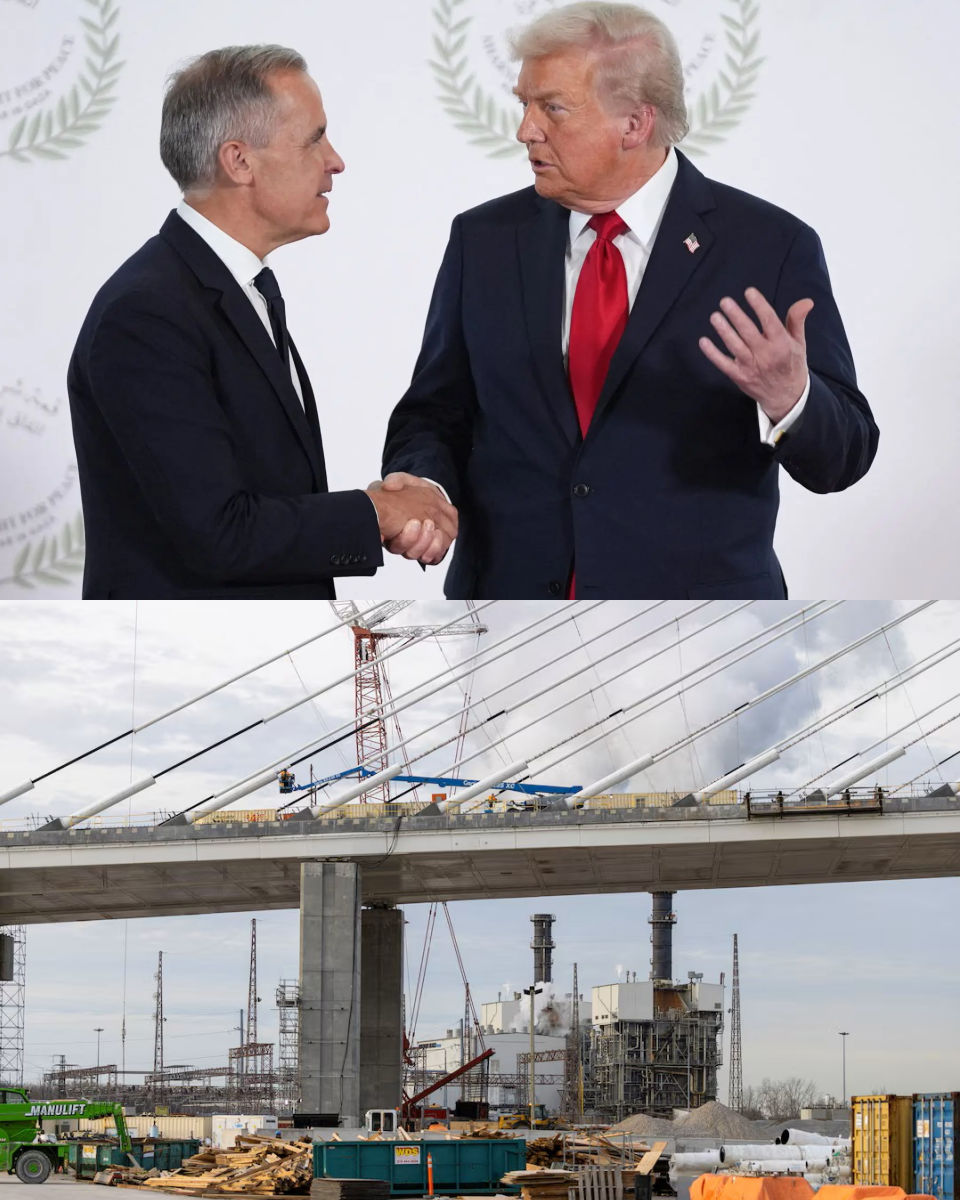
Washington / Ottawa — A diplomatic rift is widening between the United States and Canada after President Donald Trump threatened to block the opening of the long-awaited Gordie Howe International Bridge, a multibillion-dollar infrastructure project linking Detroit, Michigan, with Windsor, Ontario. The dispute has transformed a symbol of cross-border cooperation into a flashpoint of geopolitical friction.
The six-lane bridge — slated to open in early 2026 — was designed to ease congestion along the busiest commercial corridor between the two countries, streamlining trade and supply chains worth hundreds of billions annually. Construction began in 2018, with the Canadian government financing the bulk of the roughly $4.7 billion project, to be recouped through toll revenue over time.
Trump has argued the arrangement unfairly disadvantages the United States. In public statements, he warned he would “not allow” the bridge to open unless Washington receives compensation and greater economic concessions, including partial ownership. He has also tied the dispute to broader trade grievances, including Canadian dairy tariffs and Ottawa’s economic engagement with China.
Canadian officials swiftly pushed back. Ottawa emphasized that the bridge is jointly owned with Michigan under a 2012 bilateral agreement and that U.S. labor and materials were used in construction. Local leaders on both sides of the border warned that delaying the crossing could disrupt manufacturing supply chains, regional employment, and North American trade flows.
The controversy is unfolding amid already strained relations marked by tariff threats, trade disputes, and political rhetoric. Analysts say the bridge standoff reflects deeper tensions over economic nationalism, infrastructure sovereignty, and the future balance of power within North America’s most integrated bilateral partnership.
Beyond economics, the symbolism is potent. For decades, U.S.–Canada ties have been defined by cooperation, open trade, and shared defense commitments. Trump’s willingness to leverage a joint infrastructure project as negotiating pressure signals a shift toward more transactional diplomacy.
Whether the bridge ultimately opens on schedule or becomes entangled in prolonged negotiations, the dispute has already altered the tone of cross-border relations — raising an uncomfortable question for policymakers and citizens alike: are the world’s friendliest neighbors entering a more contentious era of strategic rivalry?