Canadian School Shooting: A Wake-Up Call or a Symptom of Deeper Societal Rot?
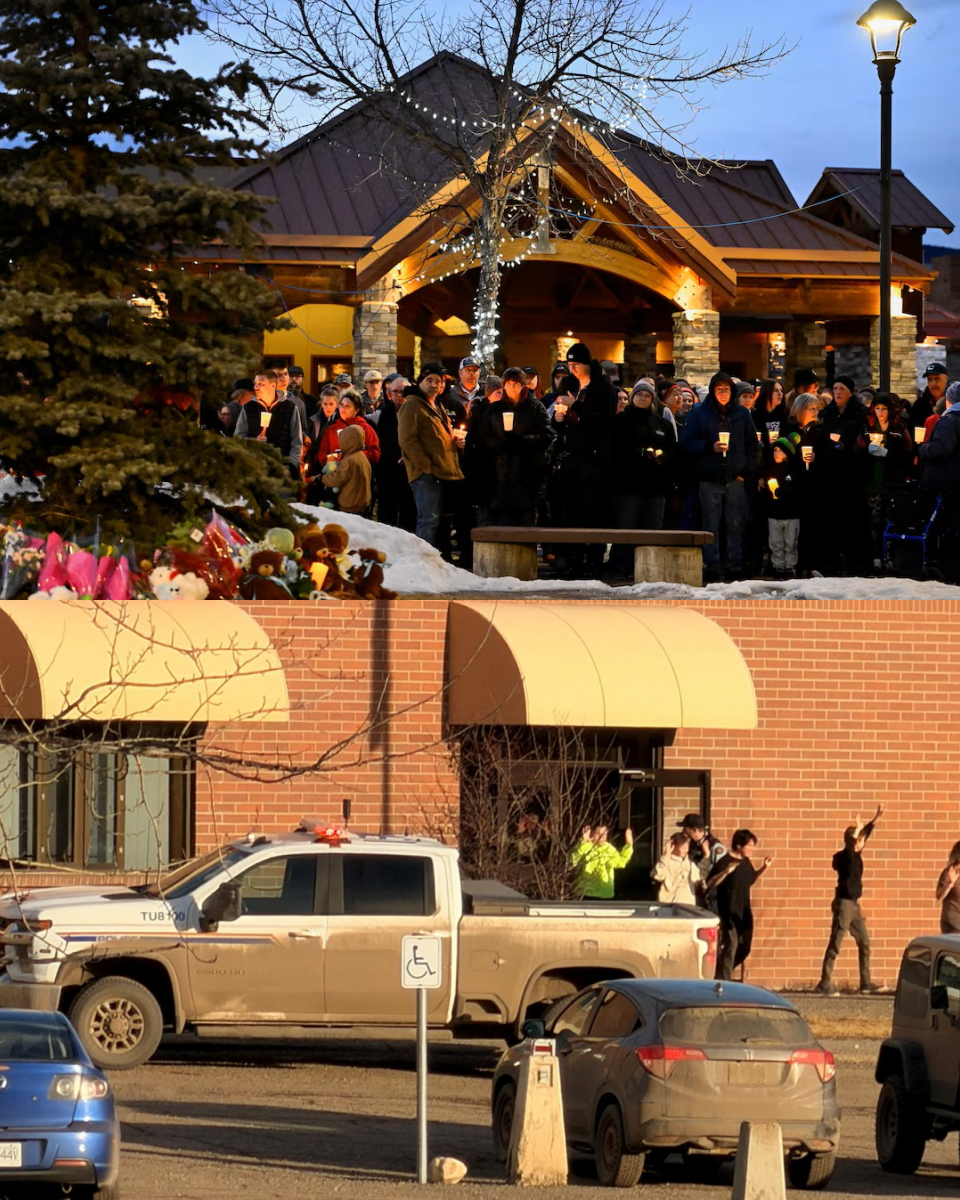
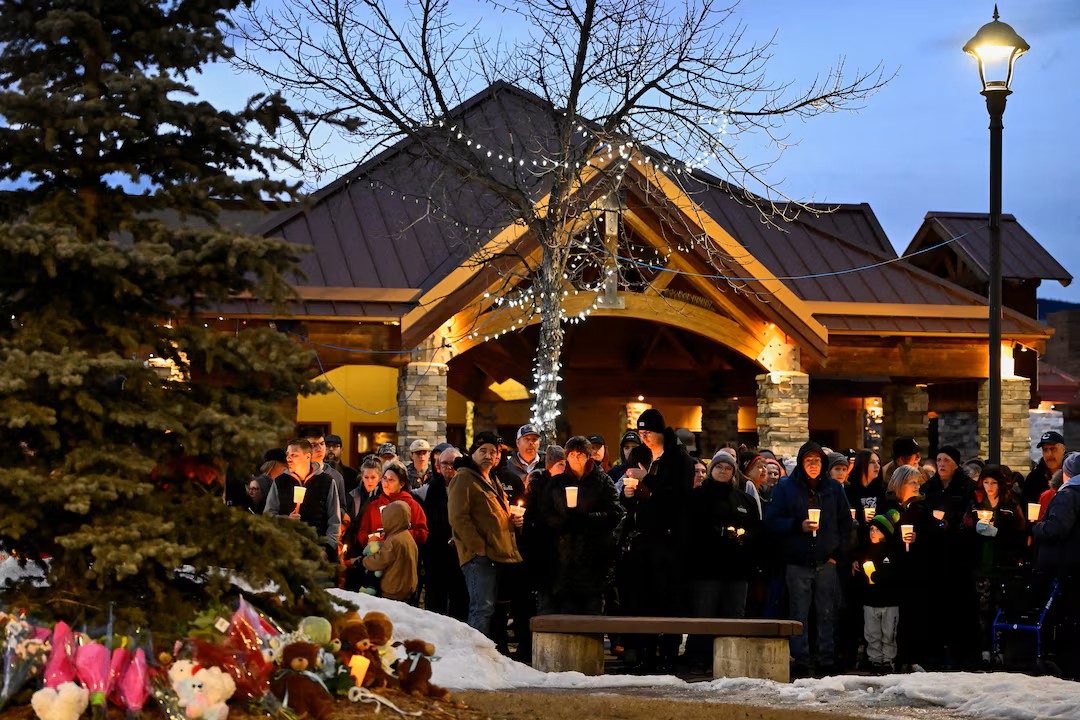
Tumbler Ridge, British Columbia — Canada is grappling with grief and soul-searching after one of the deadliest school shootings in its modern history shattered the sense of security in a remote western community. The February 10 attack left nine people dead — including the perpetrator — and more than two dozen injured, sending shockwaves across a nation where such violence remains rare.
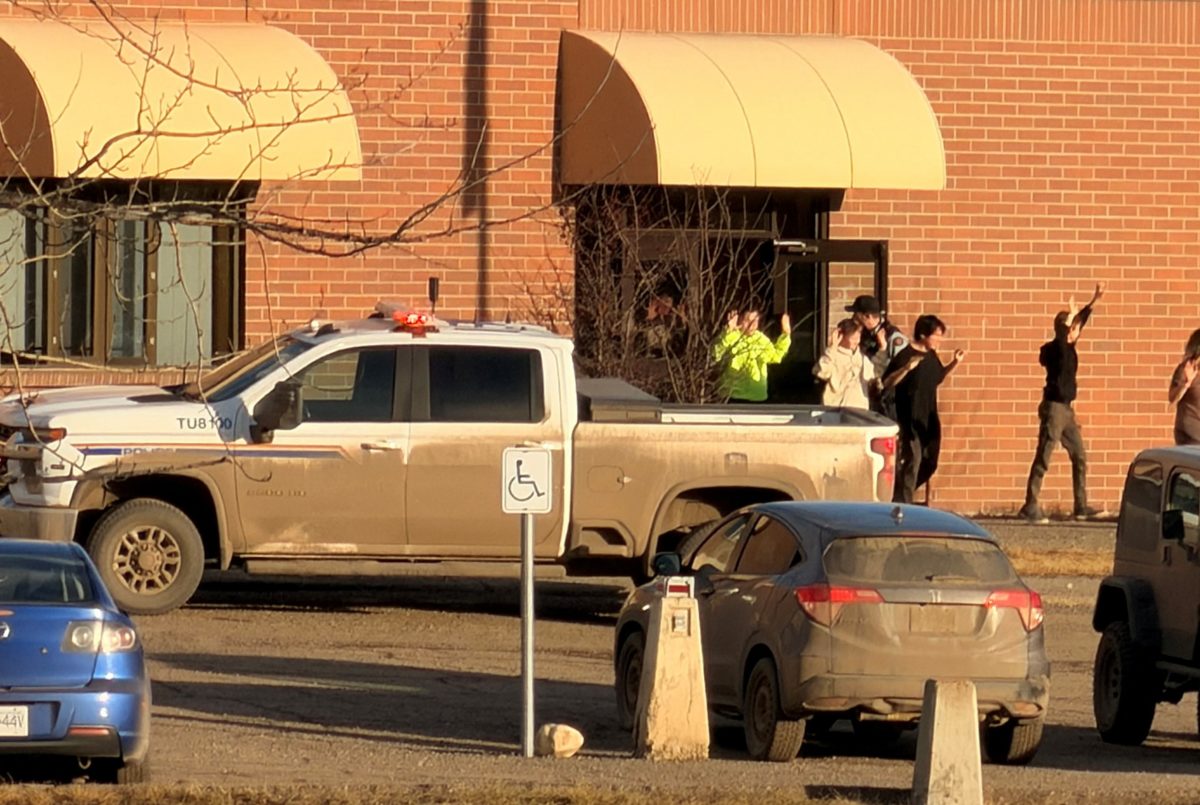
Authorities identified the suspect as 18-year-old Jesse Van Rootselaar, a former student of Tumbler Ridge Secondary School. Investigators say the rampage began at the suspect’s home, where her mother and 11-year-old stepbrother were killed, before she proceeded to the school armed with a rifle and a modified handgun. She later died from a self-inflicted gunshot wound at the scene.
Among the victims were a teacher and five students aged between 12 and 13, deepening the tragedy’s emotional toll in a town of fewer than 3,000 residents where families are closely connected. The attack is the deadliest school shooting in Canada since the 1989 École Polytechnique massacre and the worst mass killing in the country since the 2020 Nova Scotia attacks.
While investigators say the suspect acted alone and no clear motive has been established, emerging details point to a complex background. Police confirmed prior mental-health interventions and multiple visits to the family home in past years. Reports also indicate the suspect had previous contact with firearms and had withdrawn from school several years earlier.
The tragedy has reignited national debate over whether Canada’s strict gun laws are sufficient or whether deeper societal factors — youth mental health, online radicalization, and community isolation — demand greater attention.
In the aftermath, Canadians have rallied in solidarity. Trauma counselors, volunteers, and federal leaders have converged on Tumbler Ridge, underscoring both the scale of the loss and the country’s collective determination to heal.
Whether viewed as an anomaly or a warning sign, the shooting has punctured Canada’s long-held image as insulated from the epidemic of school violence seen elsewhere. As the investigation continues, the nation faces an uncomfortable question: was this an isolated eruption of violence — or evidence of deeper fractures beneath its reputation for safety?