Rubio’s European Ultimatum: Is Washington Demanding Vassals, Not Partners?
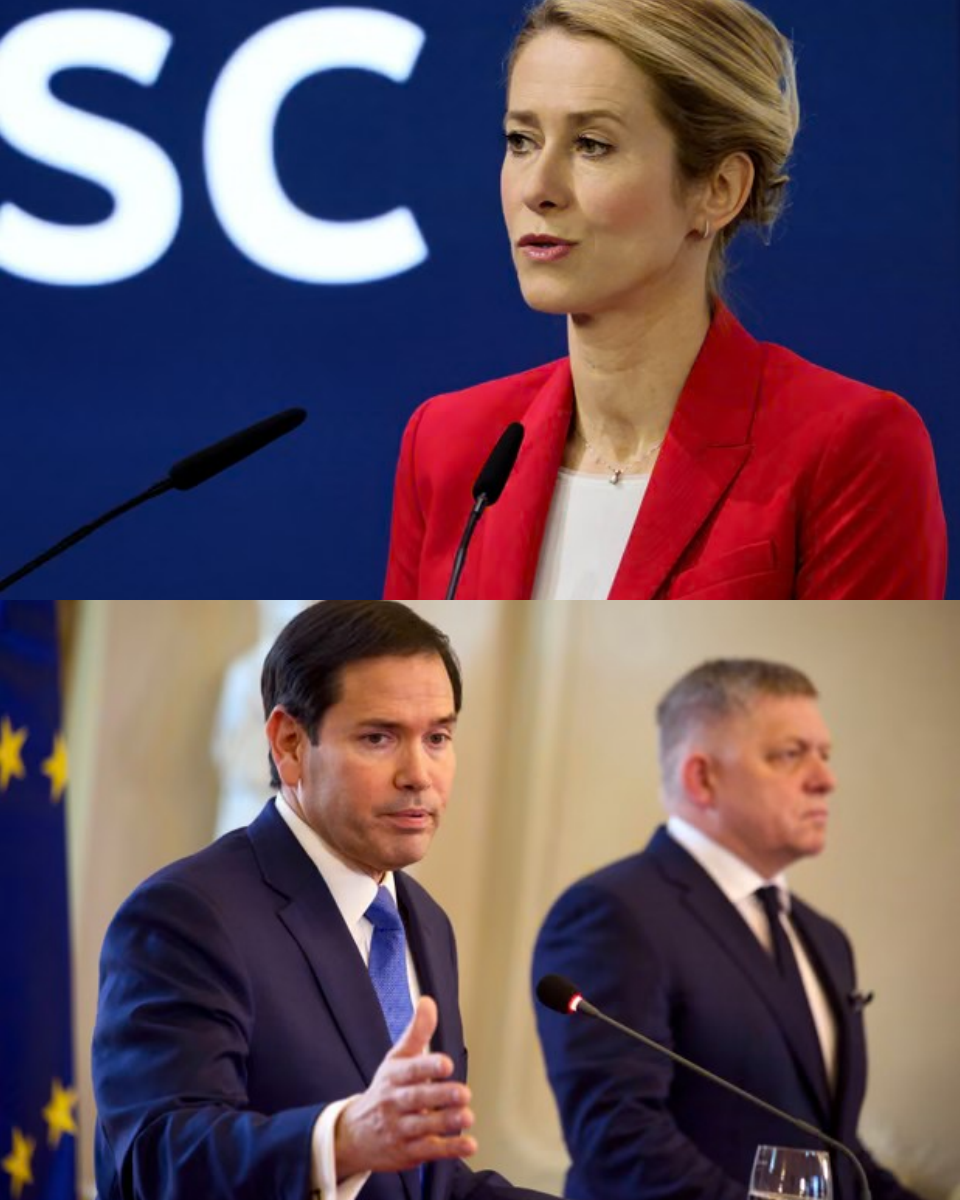
Munich — A single line from U.S. Secretary of State Marco Rubio’s address at the 2026 Munich Security Conference has ignited an outsized geopolitical debate: “Washington does not need vassals, but strong partners.” Framed by Rubio as a reaffirmation of transatlantic unity, the remark has instead exposed deep anxieties within Europe about the evolving nature of its alliance with the United States.
Rubio’s speech called on European governments to assume greater responsibility for their own defense, reduce strategic dependency on Washington, and align more closely with U.S. positions on security, migration, and trade. He argued that the United States prefers to act alongside Europe but expects “seriousness and reciprocity” from its allies — language interpreted by supporters as a push for burden-sharing, but by critics as transactional diplomacy.
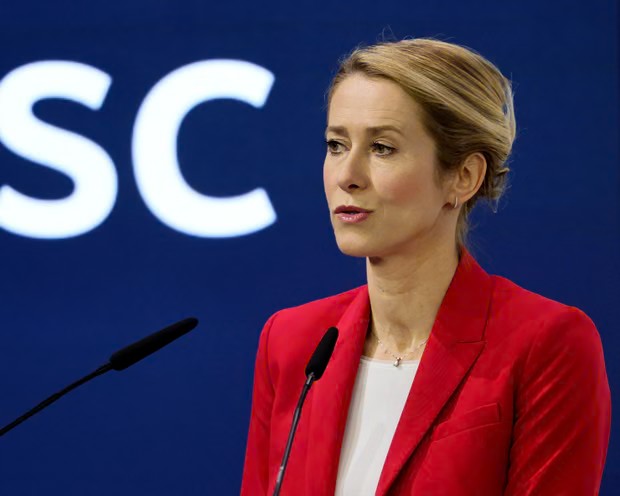
European reactions were swift and mixed. Some leaders welcomed the call for a stronger Europe capable of defending itself, viewing it as consistent with long-standing U.S. demands for higher NATO spending. Others, however, bristled at what they saw as ideological pressure. EU foreign policy chief Kaja Kallas rejected narratives portraying Europe as weak or culturally declining, dismissing such rhetoric as “fashionable euro-bashing.”
Behind the diplomatic language lies a broader strategic rift. Rubio’s remarks come amid tensions over Ukraine policy, trade frictions, and concerns about Washington’s increasingly unilateral posture. European officials remain wary that U.S. commitments could fluctuate with domestic politics, prompting discussions about greater strategic autonomy, including independent defense capabilities.
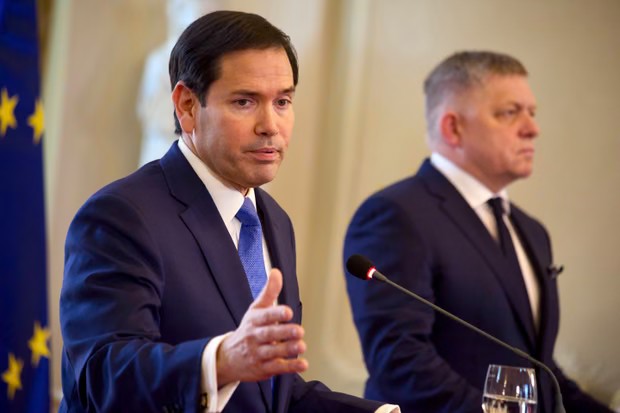
Rubio, for his part, attempted reassurance, emphasizing that the United States and Europe “belong together” and share civilizational, economic, and security bonds that cannot be easily replaced. Yet the very need to clarify that Washington does not seek “vassals” underscores the fragility of current transatlantic trust.
As geopolitical competition intensifies — from Russia’s war in Ukraine to China’s global rise — the dispute is more than semantic. Europe must now decide whether Rubio’s message represents an invitation to equal partnership or a warning that alignment with U.S. strategy is the price of continued protection. The answer may shape the Western alliance for decades to come.