Federal Probe Intensifies After ICE Officers’ Testimony Questioned in Minneapolis Shooting
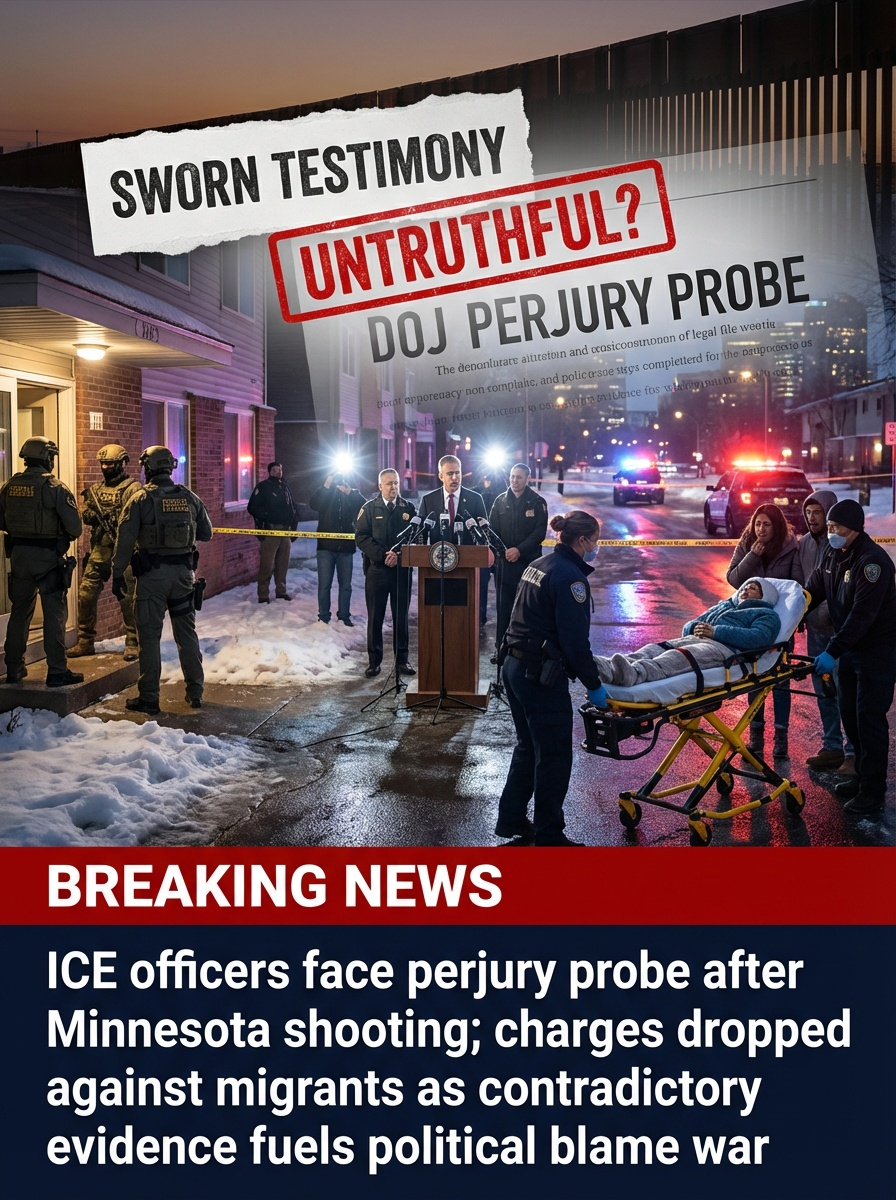
Minneapolis — A federal investigation is underway after U.S. immigration authorities acknowledged that two Immigration and Customs Enforcement (ICE) officers may have provided false sworn testimony regarding a January shooting that wounded a Venezuelan migrant in Minneapolis, deepening scrutiny of enforcement conduct during recent federal operations.
The incident occurred on January 14, when ICE agents attempted to detain individuals during a targeted enforcement action linked to a broader immigration crackdown in Minnesota. During the encounter, Julio Cesar Sosa-Celis was shot in the leg by a federal officer. Initial Department of Homeland Security accounts alleged that agents fired in self-defense after being attacked with objects including a snow shovel and broom handle.
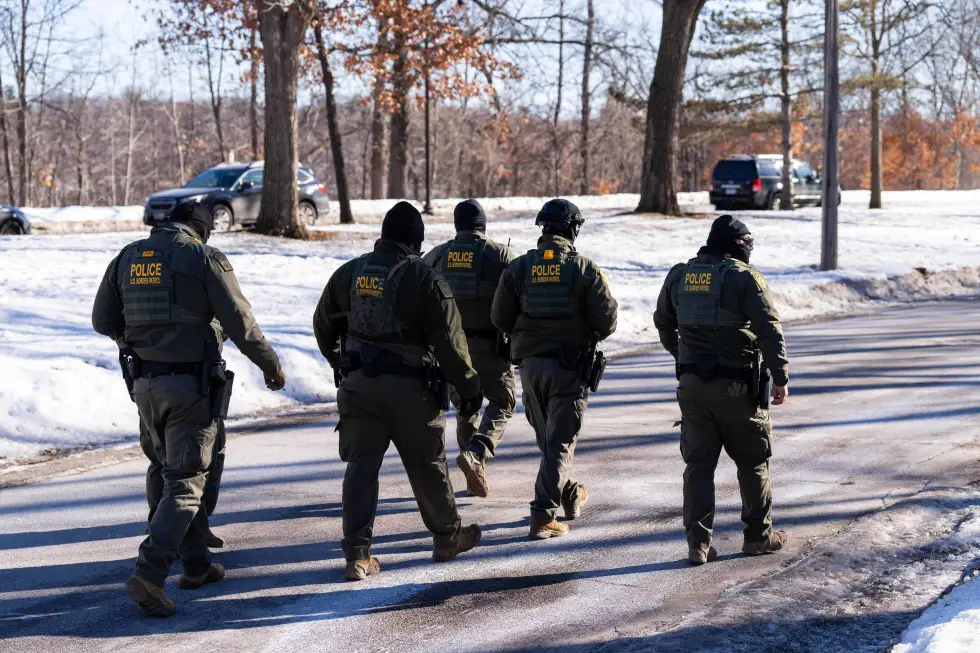
However, subsequent video evidence and investigative review contradicted elements of that narrative. Acting ICE Director Todd Lyons said the officers’ sworn statements “appear to have been untruthful,” prompting their placement on administrative leave and the launch of a joint criminal probe by ICE and the Department of Justice.
Federal prosecutors have also moved to dismiss assault charges previously filed against Sosa-Celis and another individual tied to the confrontation. Court filings cited “materially inconsistent” evidence that undermined the original allegations, including FBI affidavits suggesting agents may have pursued the wrong suspect after a license-plate misidentification.
The dismissal — filed with prejudice — prevents the charges from being reintroduced.
Civil-rights attorneys representing the men argue the shooting was unjustified, while federal officials stress that the investigation remains active and that final legal determinations have not been reached.
The case unfolds amid wider controversy surrounding the federal immigration surge in Minnesota, where multiple use-of-force incidents have sparked protests, legislative scrutiny, and legal challenges.
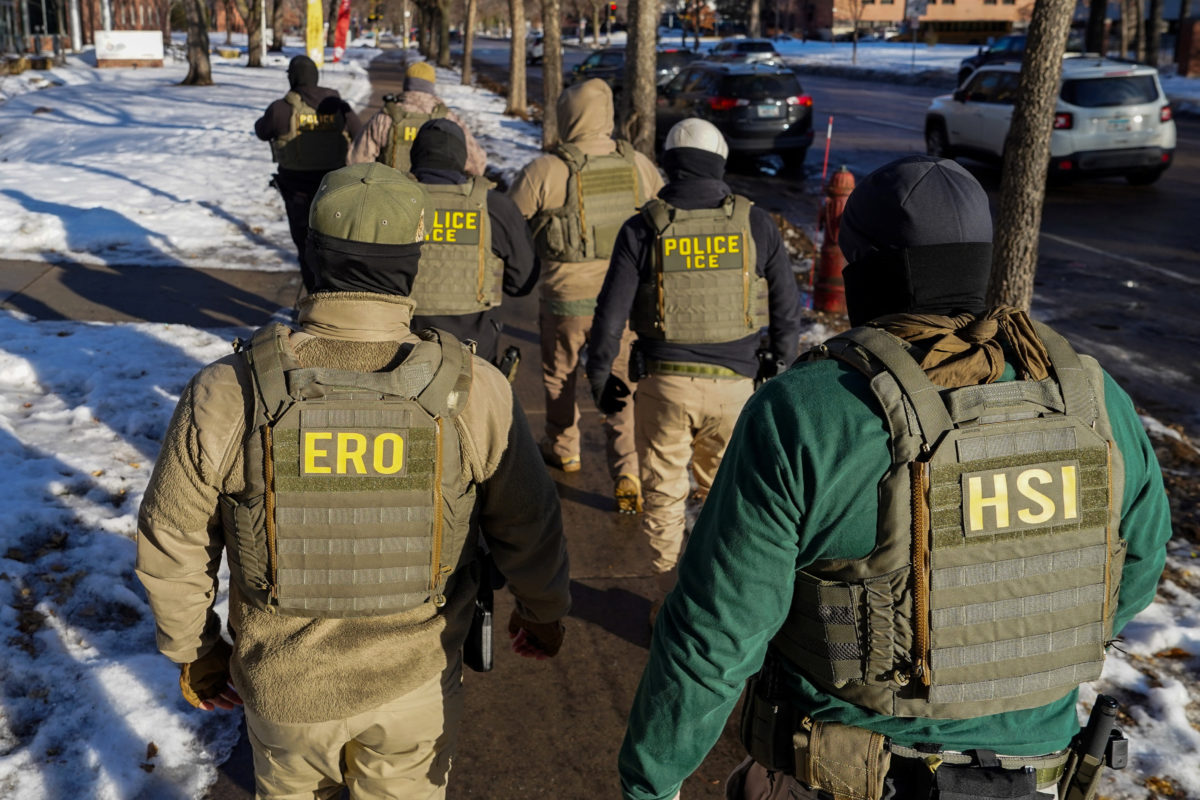
Policy analysts say the investigation could have broader implications for federal enforcement oversight, officer accountability standards, and courtroom reliance on agent testimony. Prosecutors are examining whether perjury or civil-rights violations occurred, outcomes that could carry both criminal and administrative consequences.
For now, authorities emphasize that the evidentiary process — including forensic review, video analysis, and witness testimony — will determine the case’s trajectory, underscoring the legal system’s central role in resolving one of the most contentious immigration-related shootings in recent months.