Justice Department Seeks Dismissal of Federal Corruption Case Against New York Mayor Eric Adams
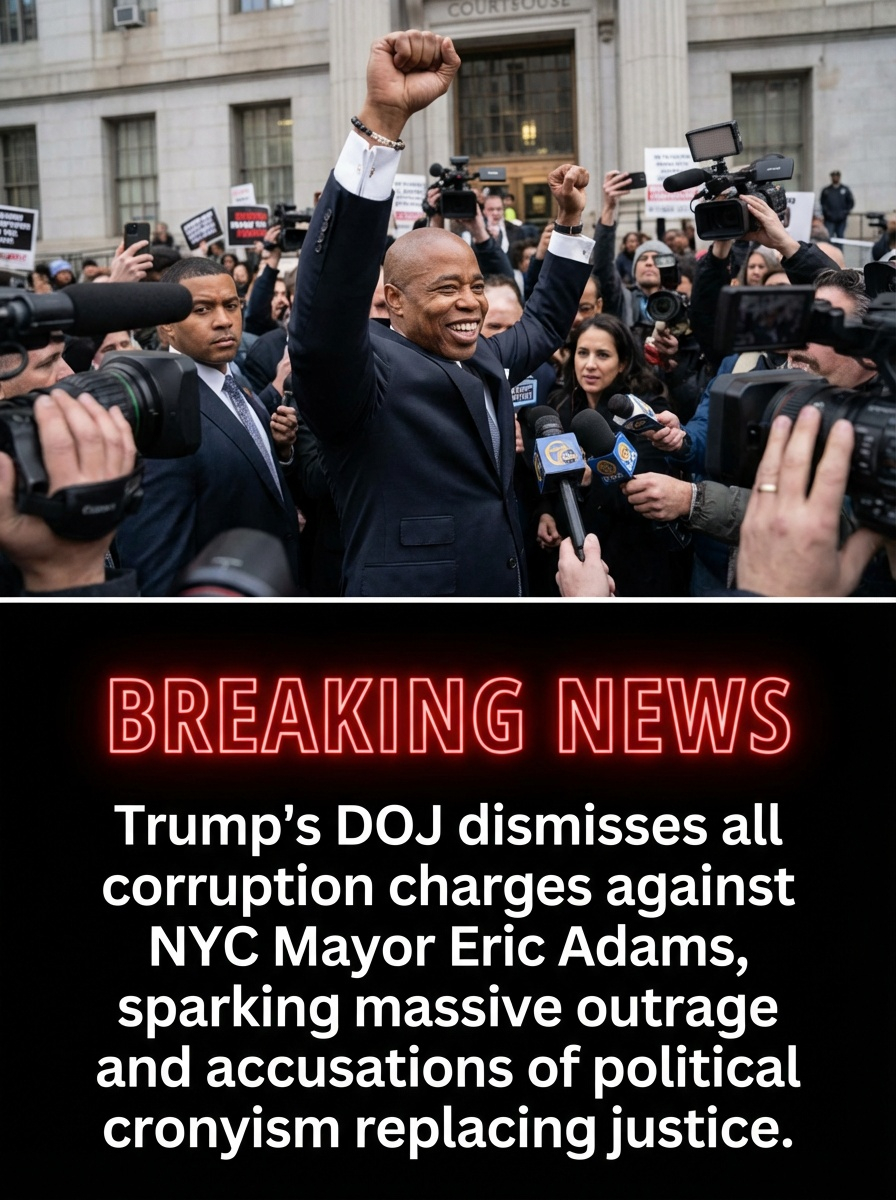
Washington / New York — The U.S. Department of Justice has moved to dismiss federal corruption charges against New York City Mayor Eric Adams, a decision that has triggered sharp political reactions and renewed debate over prosecutorial independence.
Federal prosecutors filed court papers this week requesting termination of the case, which had alleged that Adams engaged in improper fundraising practices and accepted unlawful benefits tied to his political network. The charges stemmed from a multi-year investigation examining campaign donations, travel benefits, and relationships with business figures seeking municipal influence.
In its dismissal motion, the Justice Department cited evidentiary challenges and concerns about the legal viability of key allegations. Officials said continuing prosecution would not meet the department’s threshold for securing a conviction beyond a reasonable doubt. The filing emphasized that the decision was based on case merits rather than political considerations.
Adams, a Democrat serving his first term as mayor, welcomed the move, reiterating his longstanding denial of wrongdoing. In a public statement, he said the case had been “deeply damaging” but expressed confidence that the legal system had ultimately reached the correct conclusion.
The decision has nonetheless sparked controversy on Capitol Hill and within New York political circles. Some Democratic lawmakers and government ethics advocates called for greater transparency regarding the dismissal, questioning whether political dynamics influenced prosecutorial judgment. Critics pointed to the unusual timing of the move amid broader federal-state tensions over immigration policy and law enforcement cooperation.
Legal experts note that the Justice Department has broad discretion to drop charges when prosecutors determine a case is unlikely to succeed. Courts typically grant such motions unless clear evidence of misconduct or procedural abuse emerges.
Republican officials and some legal analysts defended the dismissal as a routine exercise of prosecutorial review, warning against politicizing Justice Department decision-making.
While the criminal case may be ending, observers say the episode could carry lasting political implications for Adams’ administration, particularly as New York navigates budget pressures, public safety debates, and federal funding negotiations.
For now, the court must formally approve the dismissal request — the final procedural step in closing one of the city’s most closely watched political investigations.