Trump Infrastructure Funding Dispute With New York Sparks Political Controversy
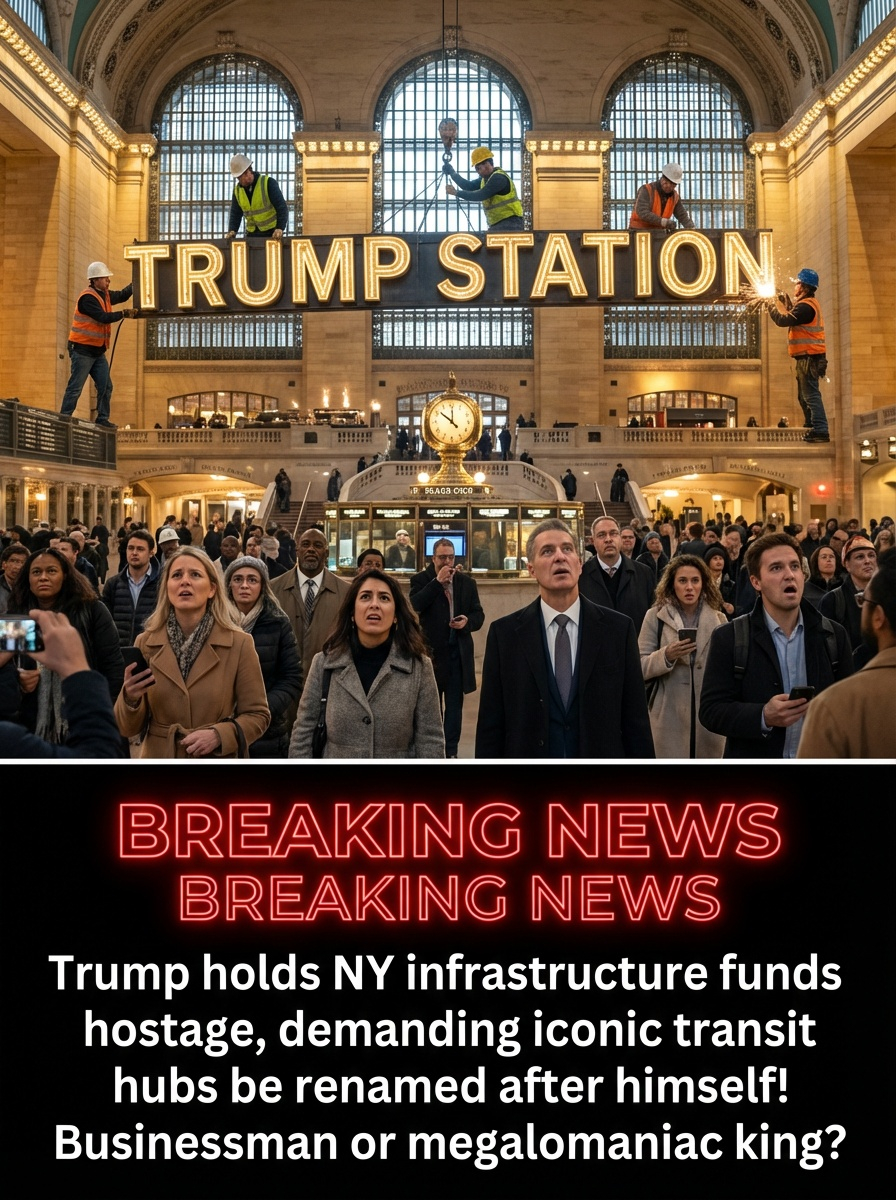
Washington / New York — A political dispute between the Trump administration and New York leaders over federal infrastructure funding has ignited controversy, following reports that discussions over major transit investments became entangled with symbolic naming proposals tied to the president.
The conflict centers on federal financing for long-delayed rail and transit upgrades, including redevelopment efforts around Penn Station and broader Northeast Corridor modernization. New York officials, led by Senate Majority Leader Chuck Schumer and Governor Kathy Hochul, have been lobbying for billions of dollars in federal support to address aging infrastructure and congestion bottlenecks.
According to multiple reports, informal conversations within federal and state negotiating circles included suggestions about naming rights connected to federally funded projects. While some critics characterized the idea as a political vanity demand — including speculation about renaming transit facilities after President Donald Trump — White House officials denied any formal ultimatum or funding condition tied to landmark renaming.
Administration representatives said infrastructure negotiations remain focused on cost-sharing formulas, permitting reforms, and project oversight requirements. They accused political opponents of inflating symbolic proposals into a funding threat. New York Democrats, however, argued that even the suggestion of linking federal aid to personal branding raised ethical concerns about the politicization of infrastructure spending.
Transit advocates warn that the dispute risks delaying urgently needed improvements. Penn Station, one of the nation’s busiest rail hubs, serves more than 600,000 passengers daily but has faced decades of criticism over overcrowding, safety concerns, and structural deterioration.
Policy analysts note that naming rights are commonly used in public-private infrastructure financing — typically involving corporate sponsors — but attaching such proposals to federal appropriations negotiations involving a sitting president would be highly unusual.
Despite the political friction, both federal and state officials say funding talks are ongoing. Transportation planners stress that securing long-term investment remains critical, regardless of branding debates, as Northeast rail demand continues to rise.
For now, the episode underscores the broader tensions shaping federal-state relations over infrastructure priorities, funding leverage, and political symbolism in major public works projects.