Trump Expands Reciprocal Tariff Strategy Amid Federal Workforce Overhaul
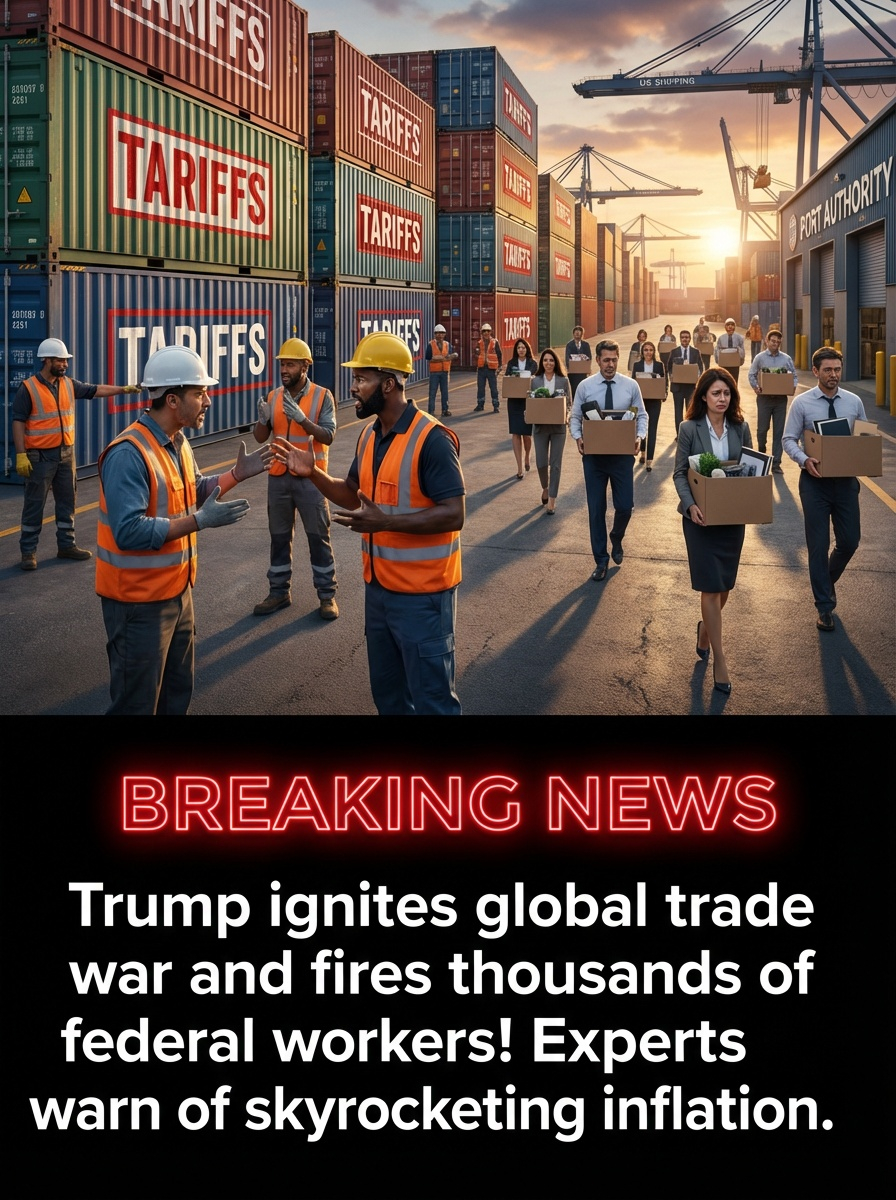
Washington — President Donald Trump has intensified his “America First” economic agenda with an expanded reciprocal tariff framework and a parallel restructuring of the federal workforce, moves that are drawing sharp reactions from global markets, labor groups, and trade partners.
The tariff policy — first introduced in 2025 — imposes import duties on foreign goods at rates designed to mirror or counter those levied on U.S. exports. Administration officials argue the strategy corrects long-standing trade imbalances and pressures trading partners to open their markets. Recent bilateral agreements, including a finalized trade framework with Taiwan, maintain tariff levels while securing commitments for increased purchases of U.S. energy, industrial equipment, and technology exports.
Supporters say the policy has boosted domestic manufacturing investment and generated record federal tariff revenue. However, economic studies and central-bank research suggest the costs have largely fallen on U.S. businesses and consumers through higher import prices. Analysts warn that sustained tariffs could elevate inflation risks and strain supply chains if retaliatory duties escalate.
The tariff expansion is unfolding alongside significant changes to the federal workforce. The administration has advanced rules that would make it easier to dismiss certain career civil servants and limit their appeal rights, part of a broader effort to reduce the size and influence of federal agencies. Separate proposals seek to narrow legal avenues for dismissed employees to challenge terminations.
Government downsizing initiatives have been underway since early in Trump’s second term, with buyout programs, resignations, and layoffs collectively affecting hundreds of thousands of federal workers. Supporters frame the restructuring as a cost-cutting modernization effort, while critics argue it risks weakening institutional expertise and public services.
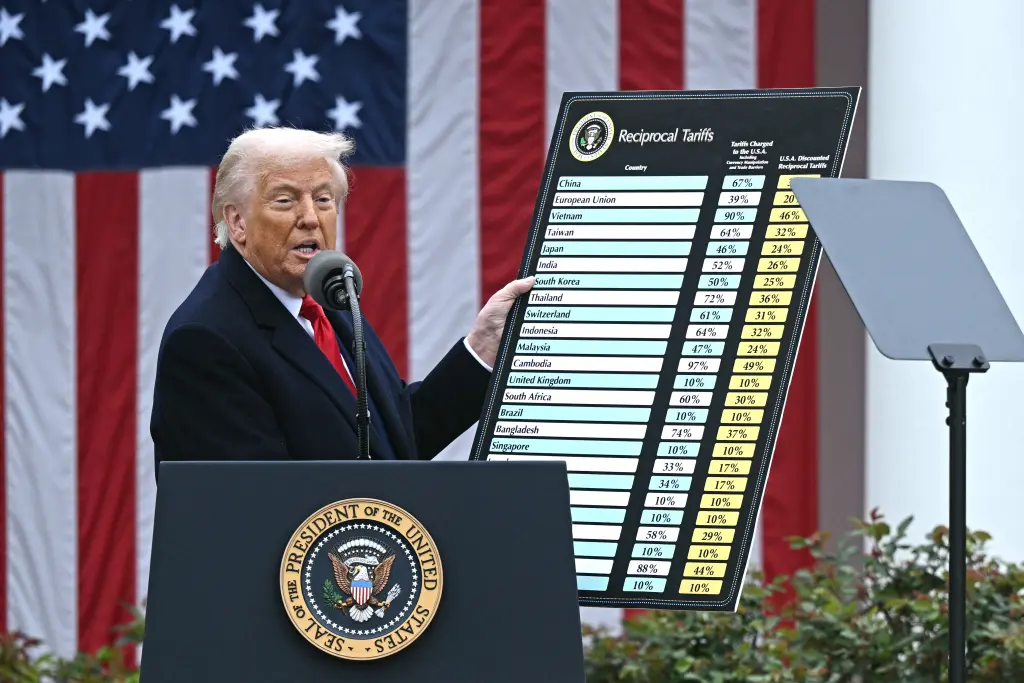
Financial markets have responded cautiously to the combined policy shifts. Economists note that tariff uncertainty, coupled with workforce reductions, can dampen business investment and hiring sentiment.
As negotiations with trading partners continue and domestic legal challenges mount, the long-term economic impact of the reciprocal tariff system — and the federal workforce overhaul accompanying it — remains a central question shaping the trajectory of U.S. economic policy.