DHS Funding Lapse Triggers Partial Shutdown, Raising Concerns Over Airport Disruptions
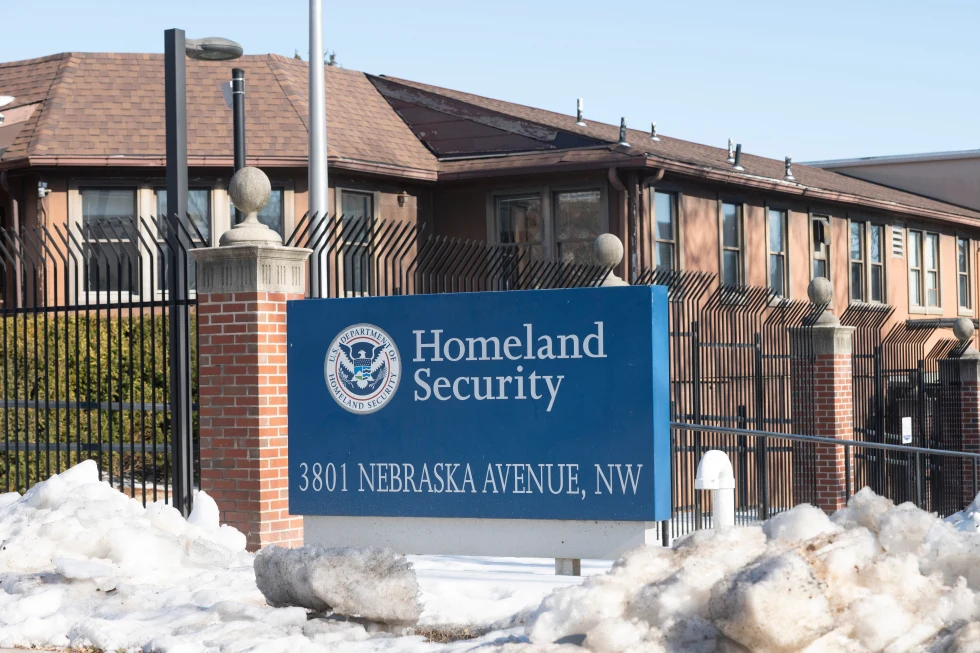
Washington — The U.S. Department of Homeland Security (DHS) entered a partial government shutdown at midnight after Congress failed to reach agreement on a funding package, setting the stage for operational strain across airport security, disaster response, and federal enforcement agencies.
The funding lapse follows weeks of partisan deadlock centered on immigration enforcement reforms. Democratic lawmakers sought new restrictions on federal agents — including expanded identification requirements, warrant standards, and use-of-force oversight — while Republican leaders and the Trump administration rejected provisions they said would hinder border and interior enforcement operations.
Although the shutdown applies only to DHS rather than the entire federal government, the department’s reach is vast, encompassing the Transportation Security Administration (TSA), Federal Emergency Management Agency (FEMA), U.S. Coast Guard, Secret Service, and cybersecurity units.
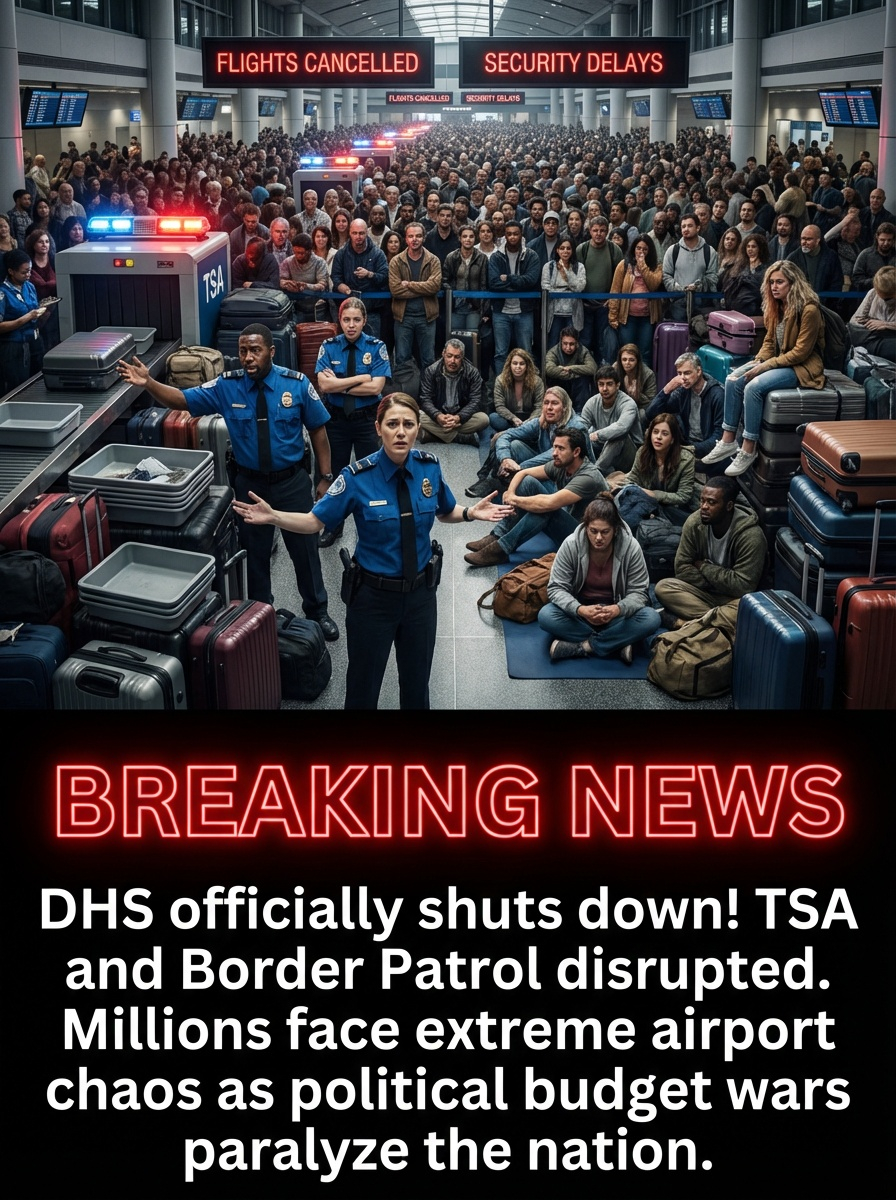
Airport operations are among the most visible pressure points. Roughly 50,000 TSA screeners are classified as “essential” personnel and must continue working without pay during the shutdown. Aviation industry groups warn that prolonged missed paychecks could lead to absenteeism, staffing shortages, and longer security lines at major airports. Previous shutdowns have produced similar ripple effects, including checkpoint closures and widespread flight delays.
Travel analysts caution that while flights will continue operating — since air traffic control falls under a separately funded agency — passenger processing times may increase if TSA staffing levels drop.
Elsewhere, FEMA faces constraints in reimbursing disaster recovery costs, and some non-essential personnel across DHS components are being furloughed. However, core national-security and law-enforcement missions are expected to continue, with immigration agencies such as ICE and Customs and Border Protection drawing on previously allocated funding streams.
The shutdown marks another escalation in the broader political confrontation over immigration policy and federal policing authority. Negotiations are ongoing, but with Congress in recess and no compromise in place, the duration — and real-world impact — of the DHS funding lapse remains uncertain.