Debate Intensifies Over Use of Masked Federal Agents in U.S. Immigration Raids
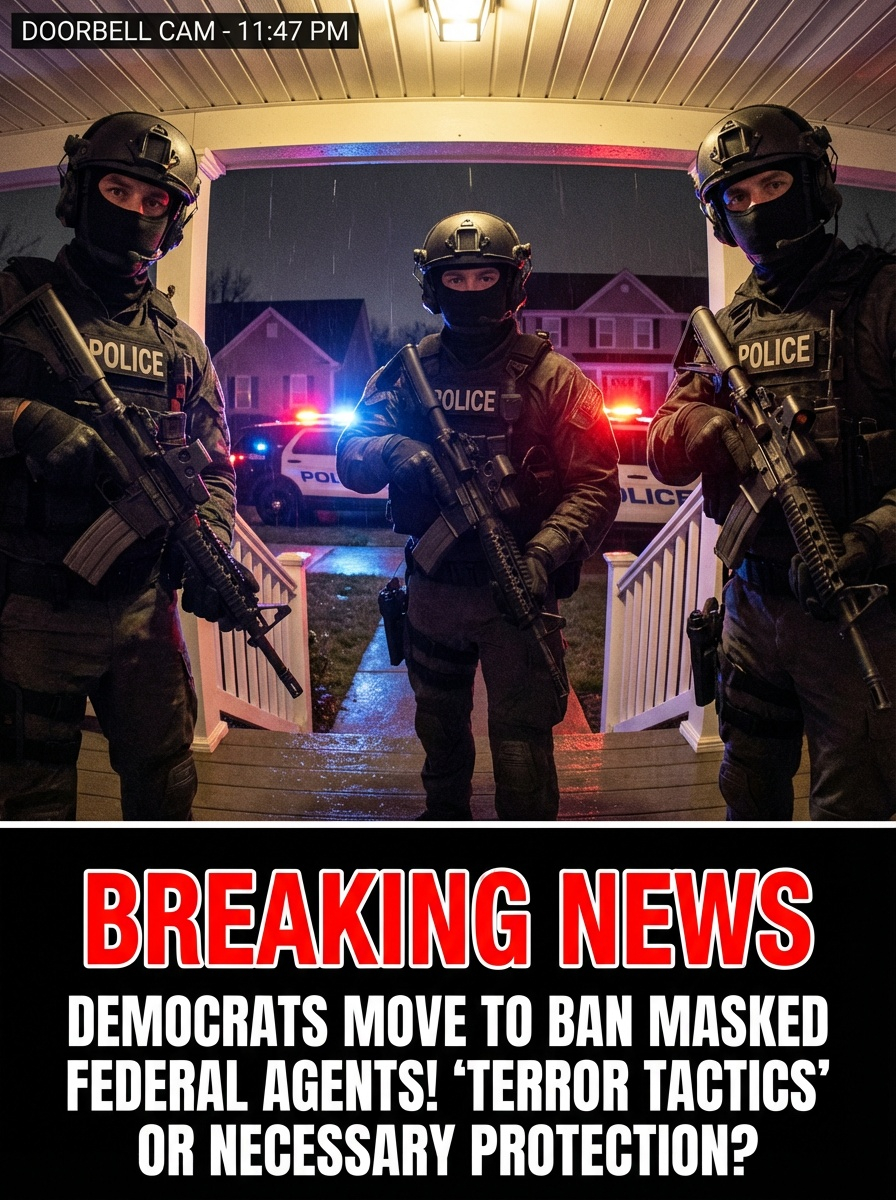
Washington — The use of masked federal agents during immigration enforcement operations has ignited a growing political and legal debate in the United States, with lawmakers, civil liberties advocates, and law enforcement officials sharply divided over the practice.
In recent months, federal immigration raids conducted in several major U.S. cities have drawn scrutiny after video footage showed agents wearing face coverings, tactical gear, and, in some cases, limited visible identification. The operations — led primarily by Immigration and Customs Enforcement (ICE) and supported by other federal units — were part of a broader expansion of interior immigration enforcement.
Democratic lawmakers have criticized the use of masks and unmarked tactical attire, arguing that it undermines public accountability and risks eroding trust between communities and federal authorities. Several members of Congress have introduced or signaled support for legislation that would require federal agents to display visible badges, names, or identification numbers during domestic operations.
Civil rights organizations echoed those concerns, warning that anonymous enforcement tactics could lead to mistaken identity incidents, civil liberties violations, and difficulty investigating misconduct complaints. Legal scholars have also questioned whether anonymity complicates constitutional protections, particularly in cases involving use of force or unlawful entry claims.
Federal officials, however, defend the practice as a necessary safety measure. Homeland Security representatives say agents have increasingly faced harassment, doxxing, and threats against their families, especially following high-profile raids. Face coverings and limited identification, they argue, help protect officers from retaliation while allowing operations to proceed effectively.
Law enforcement groups also note that masks are commonly used in other federal operations — including counterterrorism and organized crime investigations — where officer anonymity is considered operationally critical.
The controversy reflects broader tensions surrounding U.S. immigration policy, federal policing powers, and civil rights oversight. While no nationwide ban on masked agents currently exists, the issue is expected to face continued legislative challenges and court scrutiny.
As enforcement operations continue, the balance between officer safety and public accountability remains at the center of an increasingly contentious national debate.