Federal Immigration Surge in Minnesota Scales Down After Weeks of Unrest

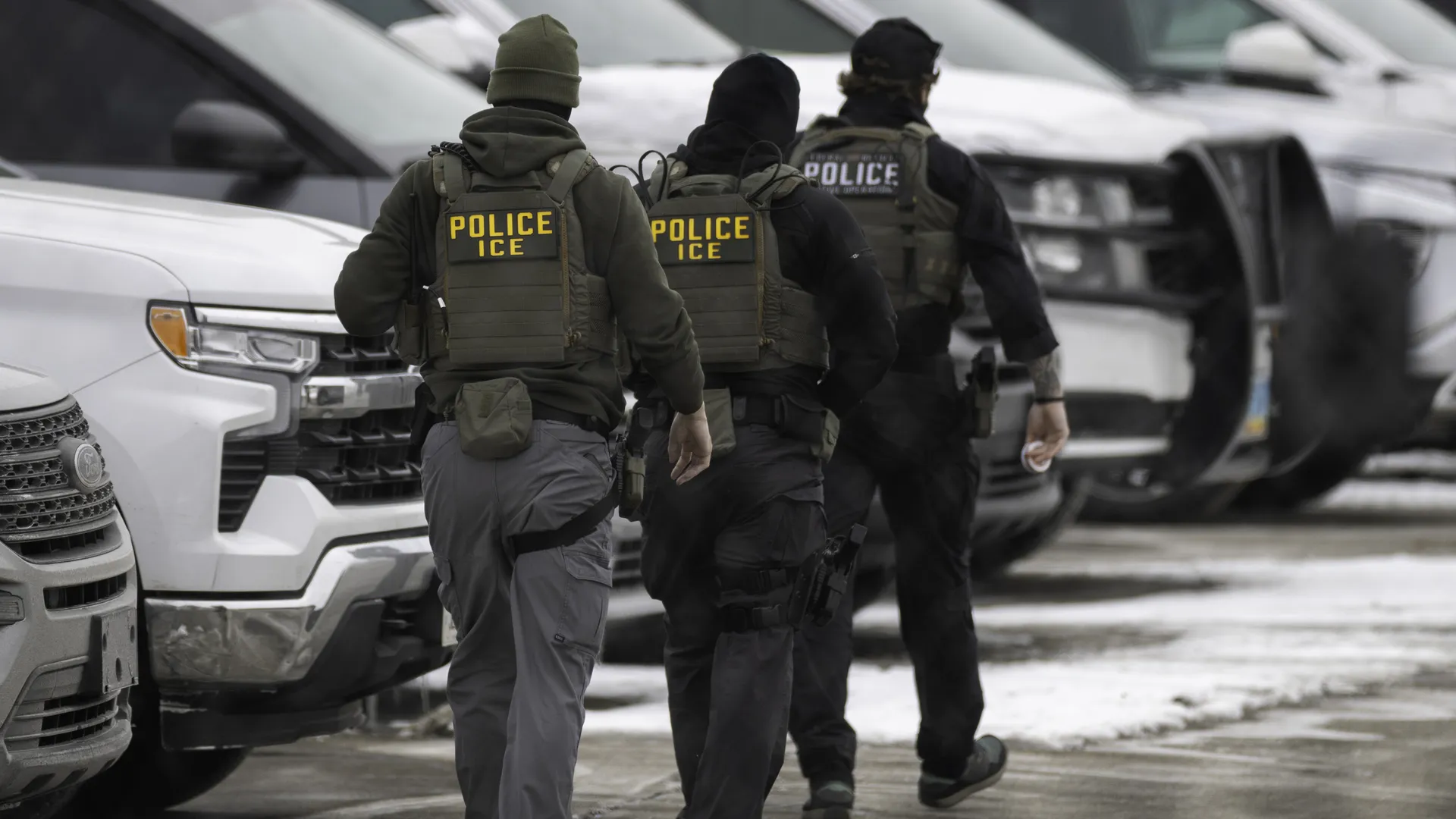
Minneapolis — U.S. federal authorities have begun winding down a large-scale immigration enforcement operation in Minnesota following weeks of arrests, protests, and violent confrontations that drew national scrutiny.
The initiative, known as Operation Metro Surge, was launched in December 2025 as part of the Trump administration’s broader immigration crackdown. At its peak, the operation deployed thousands of Immigration and Customs Enforcement (ICE) and Customs and Border Protection personnel across the Minneapolis–Saint Paul region, making it one of the largest concentrated enforcement actions in recent years.
Federal officials say the campaign resulted in more than 4,000 arrests and targeted individuals accused of immigration violations and related crimes. However, the scale and tactics of the operation sparked fierce backlash from local leaders and civil rights advocates, who accused authorities of aggressive policing and community intimidation.
Tensions escalated after multiple shooting incidents involving federal agents. Two U.S. citizens — Renée Good and Alex Pretti — were fatally shot during enforcement encounters, fueling widespread protests and intensifying calls for federal oversight. Demonstrations spread across the Twin Cities, with activists demanding an end to the operation and greater protections for immigrant communities.
In February 2026, White House border adviser Tom Homan announced that the surge would conclude, citing improved cooperation with local law enforcement and the completion of key enforcement objectives. Officials emphasized that while the intensified deployment is ending, routine immigration enforcement activities will continue.
The drawdown has been welcomed cautiously by state and municipal leaders, though many remain critical of the operation’s social and economic impact. Minnesota Governor Tim Walz and Minneapolis officials have pointed to business disruptions, strained public services, and long-term community trauma linked to the federal presence.
Policy analysts note that the conclusion of the Minnesota surge does not signal a broader rollback of national immigration enforcement. Instead, it reflects the shifting tactical focus of federal authorities amid mounting legal challenges, political pressure, and public scrutiny.
As federal agents withdraw, debates over immigration policy, law enforcement authority, and civil liberties are expected to remain central in the months ahead.