UK Farmers Stage Nationwide Protests Over Tax Changes, Supply Concerns Grow
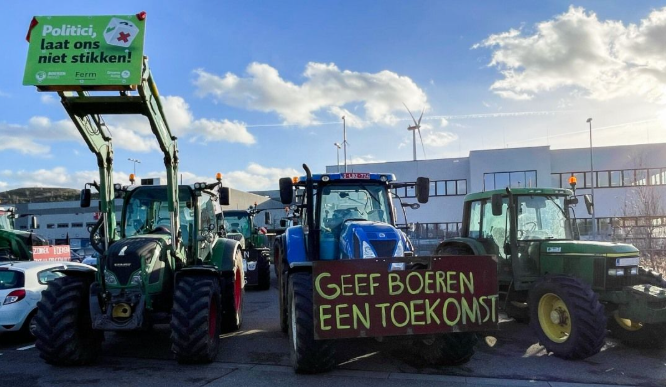
Farmers across the United Kingdom have launched coordinated protests in response to proposed government tax reforms they say will place additional strain on the agricultural sector. Demonstrations, including slow-moving vehicle convoys and temporary road blockades in rural areas, have taken place in several regions, drawing national attention to the dispute.
At the center of the unrest are planned changes affecting agricultural inheritance tax relief and labour-related costs. Farming groups argue that the measures could make it harder for family-run farms to pass land and businesses to the next generation, while also increasing operational expenses at a time when input costs — including fuel, feed, and fertilizer — remain elevated.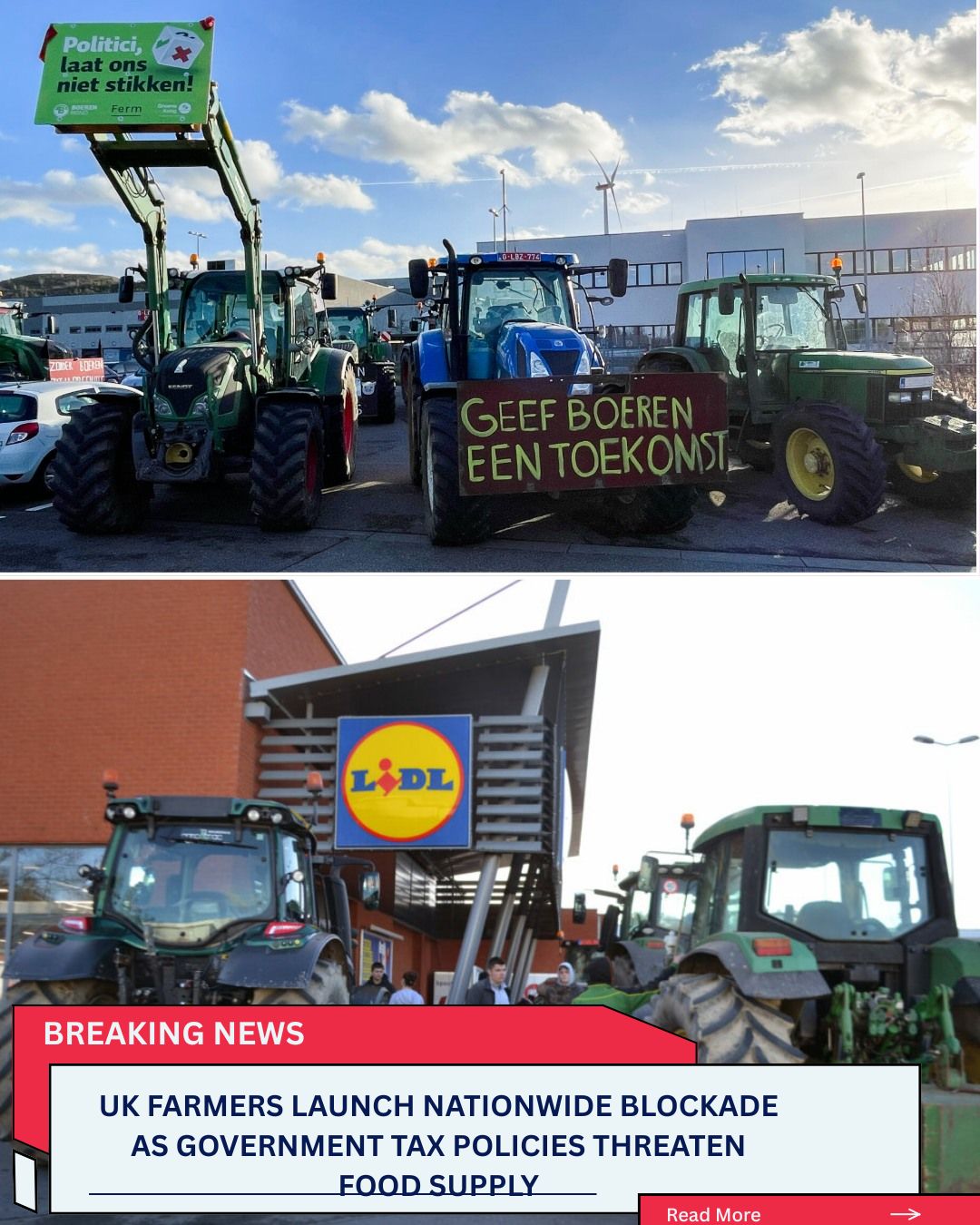 Some protest actions have disrupted local transport routes used for food distribution, prompting concerns about potential supply delays if the demonstrations continue. Industry representatives say they are not seeking to cause shortages but want to highlight what they describe as a growing crisis in food production sustainability.
“We’re at breaking point,” one regional farming spokesperson said during a rally, emphasizing that many small and medium-sized farms are already operating on thin margins. Organizers have called for urgent dialogue with ministers to reconsider or amend the proposed policies.
 The government maintains that the tax adjustments are part of broader fiscal reforms designed to ensure fairness and long-term economic stability. Officials have indicated that protections for smaller farms remain under consideration and have urged protest leaders to engage through formal consultation channels. Retail analysts note that while short-term disruption is possible in localized areas, widespread supermarket shortages would likely depend on the duration and scale of the protests. Supply chains in the UK are complex, with multiple sourcing pathways that can mitigate immediate impacts.
The situation highlights mounting tensions between policymakers and primary producers over how best to balance public finances with food security and rural livelihoods. As negotiations loom, the outcome may shape not only the agricultural sector’s future but also broader debates about economic policy and national resilience.